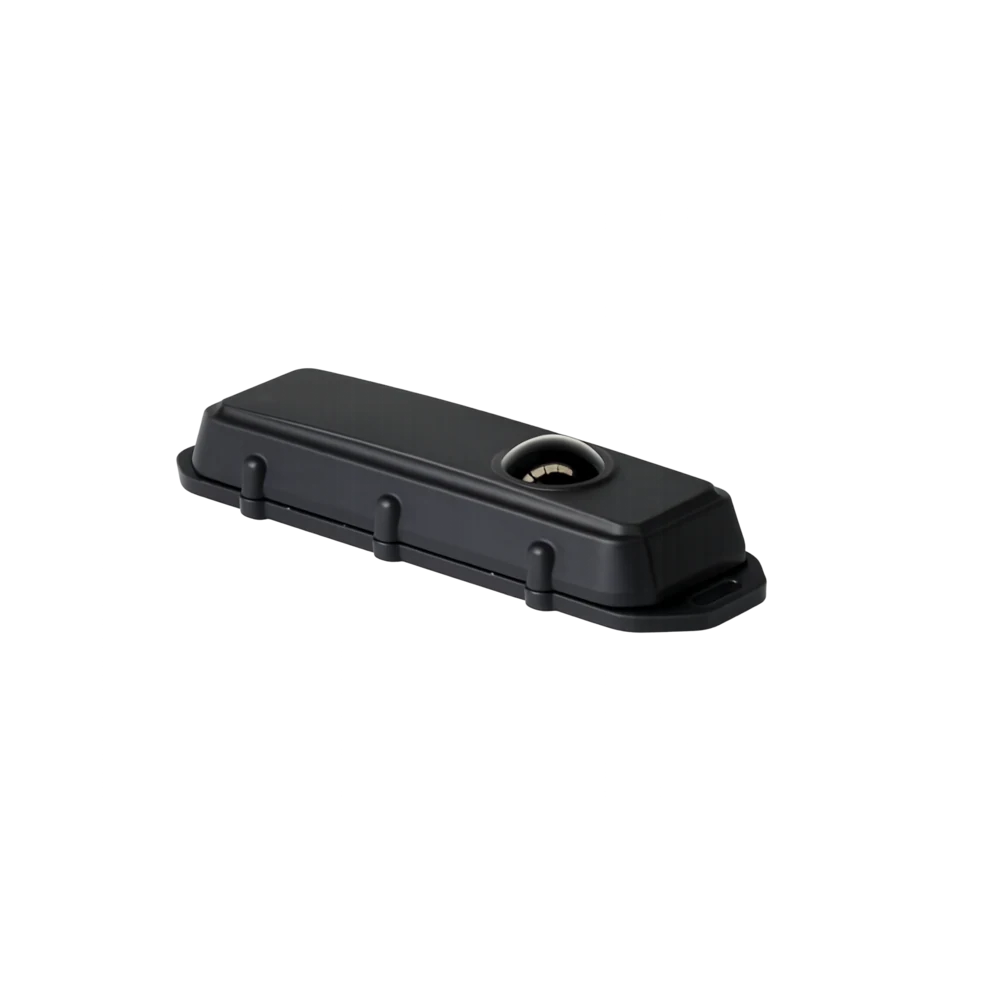
BARRA-RADAR-BLE · Wireless trackers
Barra Radar BLE
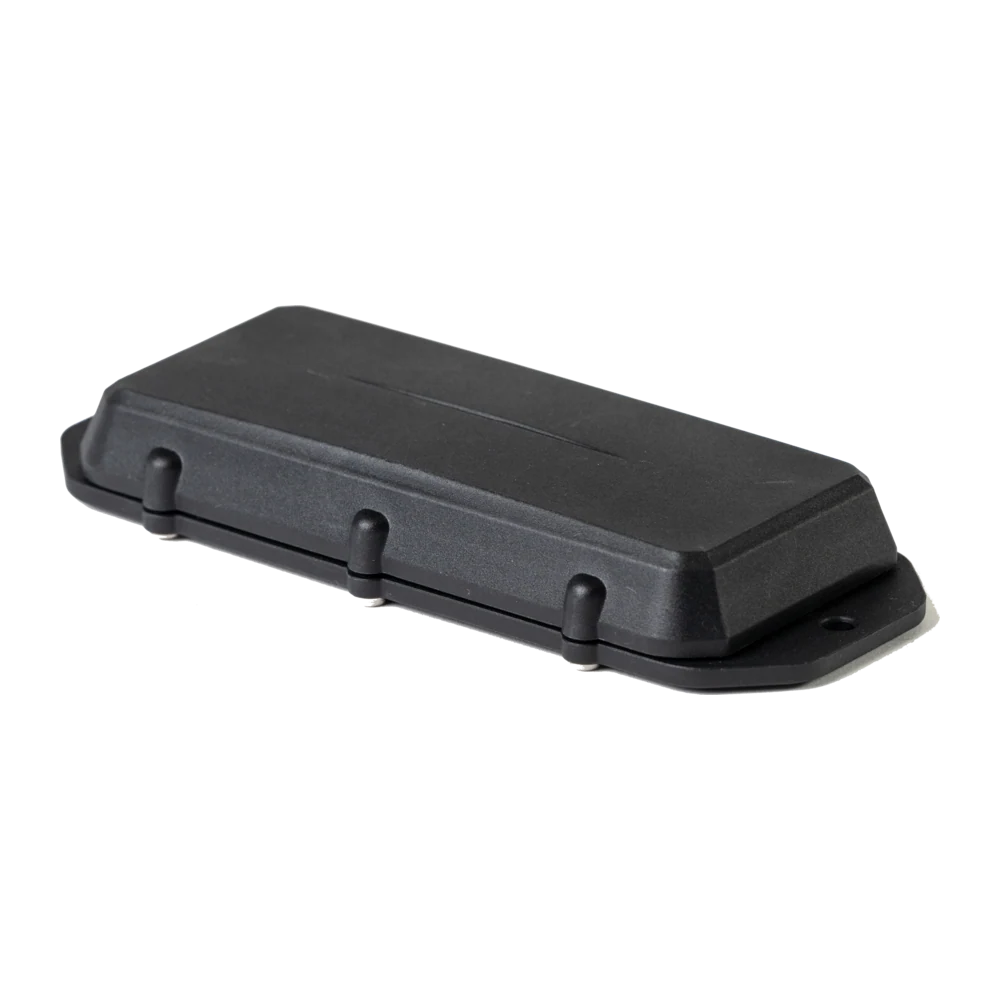
Object and Level Detection via Radar Bluetooth device in Barra form-factor (batteries not included)
IN STOCK · ZAR
HomeSolutionsWireless Asset TrackingWireless Caravan Tracking
Operating layer · Solution
Battery powered GPS for caravans, off-road campers and motorhomes in South Africa. Long-storage battery life, multi-network roaming on the Karoo and Drakensberg passes.
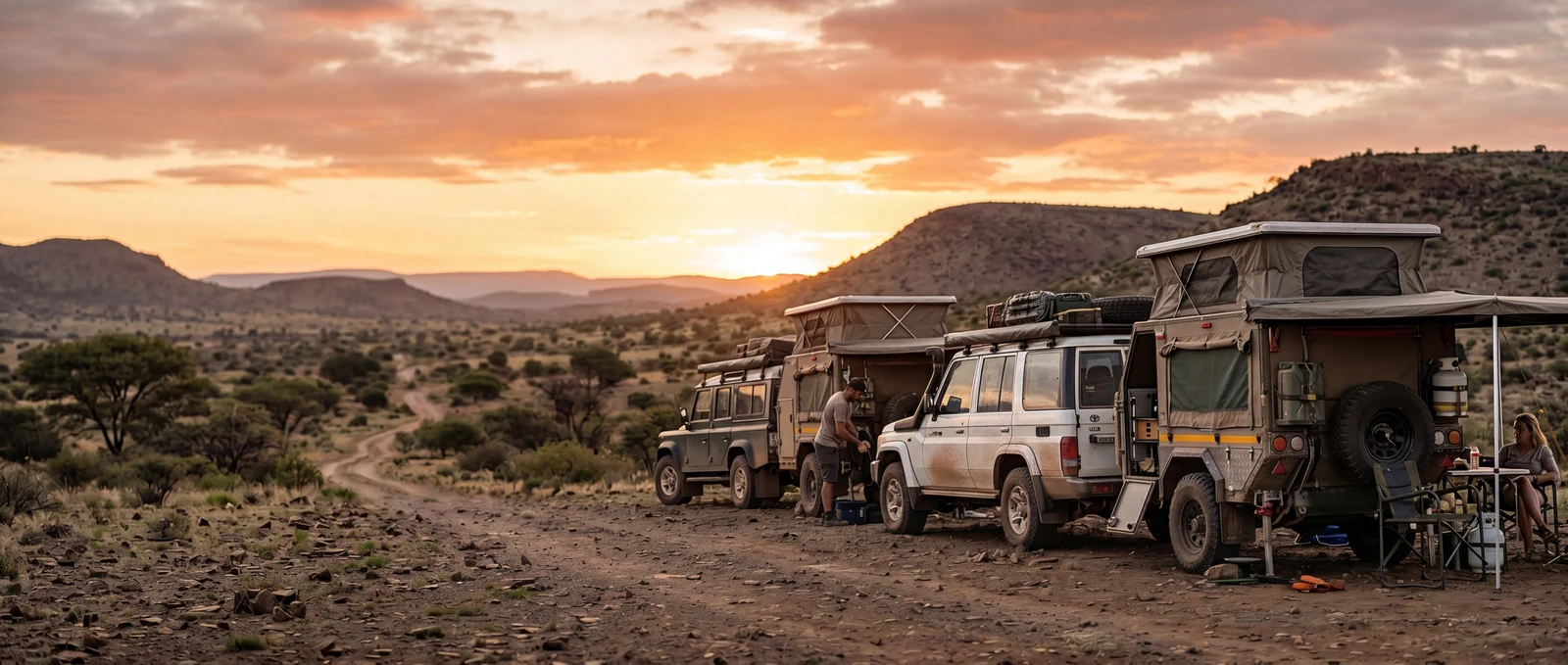
December the 19th, 16:40, a holiday property outside Wilderness on the Garden Route. The caravan has been pre-positioned for the family who arrives on the 22nd. By the 21st the on-site caretaker calls to say the caravan is gone, towed off two nights earlier with nobody seeing which direction. The owner is in Joburg. The family flight lands the following morning. With no live data, the holiday becomes a SAPS station, an insurance call and a hire-replacement scramble. With a wireless tracker in the spare-wheel well, the owner saw the motion alert at 02:30 and the caravan was on a recovery flag before sunrise.
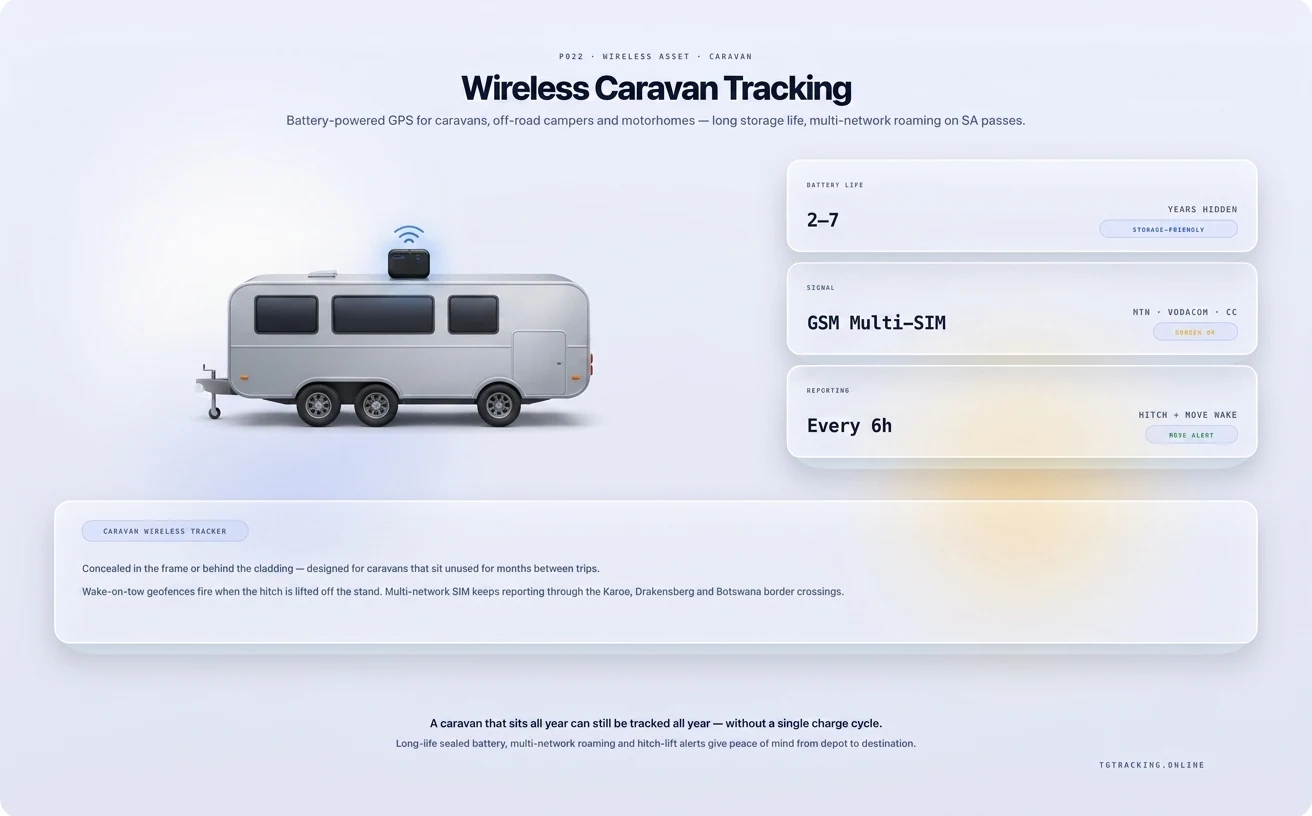
Wireless caravan tracking from TG Tracking puts a battery powered GPS device on a caravan, off-road camper, hybrid caravan or motorhome. There is no wiring, no draw on the towing vehicle, and no installation appointment. The device sleeps through the long storage months, wakes on motion, and reports through a multi-network SIM that handles the Karoo, the Drakensberg passes and the Garden Route corridor. Sits on the same account as your Asset, Hobby and Trailer Tracking for the personal view, alongside the daily car on Car Tracking and Recovery, all inside the broader wireless asset tracking product line.
A utility trailer moves three times a week. A caravan moves three weeks a year. The other 49 weeks it sits, often at a holiday property, sometimes at a self-storage unit, occasionally at home behind a security gate. That difference dictates everything: the device has to sip power for nine to ten months a year while still firing an alert the instant something touches the caravan, wake fast enough to catch a tow that starts at 02:00, keep reporting through long road trips, and survive a Highveld hailstorm or a Lowveld 38-degree summer without a service intervention.
When the caravan is stationary, the device reports rarely; a heartbeat ping every few hours confirms it is alive, and battery life on this profile is measured in years. Motion alerts remain fully sensitive throughout.
The moment the caravan is hooked up and the wheels start moving, the device shifts into high-frequency reporting. Trip history records the full route after the holiday: the route into the Cederberg, the descent down Naudesberg Pass, the Karoo stretch where one operator dropped and another picked up.
Caravan trips cross meaningful cellular gradients. Sections of the N1 between Beaufort West and Three Sisters, the R62 through the Klein Karoo, Sani Pass and the western Drakensberg passes, and the gravel roads into the Richtersveld are all places where one network is weak or absent. Multi-network connectivity catches the gaps. The most important moment for the tracker is the transition from "parked at the holiday house" to "being towed away"; the device wakes within seconds of a tow attempt and the alert is on the owner's phone before the caravan clears the property gate.
Standard caravans like Sprite, Jurgens and Gypsey-style builds that live behind a home gate or at a holiday property. Off-road and 4x4 caravans like Conqueror, Bushlapa and similar builds that take corrugated farm roads and gravel passes; mounted with vibration isolation and sealed against dust ingress. Hybrid and teardrop campers that move on light tow vehicles. Motorhomes and campervans that combine an engine with long stored periods; a second hardwired tracker is also available where appropriate.
Caravan theft tracks the holiday calendar. Pre-Christmas, mid-Easter, early-July and long-weekend periods are the spikes. The geographic pattern follows the holiday corridors: properties along the Garden Route between Mossel Bay and Storms River, the KwaZulu-Natal South Coast between Margate and Port Edward, the West Coast north of Yzerfontein, the Drakensberg holiday belt and the Lowveld bushveld lodges. Self-storage units in light-industrial areas are also targeted, particularly when the caravan has been pre-loaded.
A stolen caravan moves slower than a stolen car because it must be towed by a conspicuous vehicle on a national route. That widens the recovery window, but only if the alert reaches the control room fast enough to deploy.
Years on a low-report storage profile. Battery replacement is typically aligned with major caravan service intervals.
Out of sight, with partial sky view for GPS. Common positions are inside a chassis box-section, in the spare-wheel well or behind a side panel.
No. The tracker has its own internal battery and is fully independent of the caravan's 12V system, geyser, lights or solar panel.
Most major South African insurers accept TG Tracking on caravans and motorhomes, and the platform issues the certificate. Confirm with your broker because the approved list varies.
The cellular SIM roams onto neighbouring SADC networks where roaming is configured. Border-crossing alerts are a default.
Yes. The housing is rated for hail impact, sustained heat, dust and rain.
Yes. The TG Mobile app supports multiple users per account with different permission levels.
A caravan owner uses a tracker for years and notices it once. That one moment is the entire reason it was bought.
Self-powered trackers with multi-year battery life for trailers, containers, equipment and high-value assets.
Object and Level Detection via Radar Bluetooth device in Barra form-factor (batteries not included)
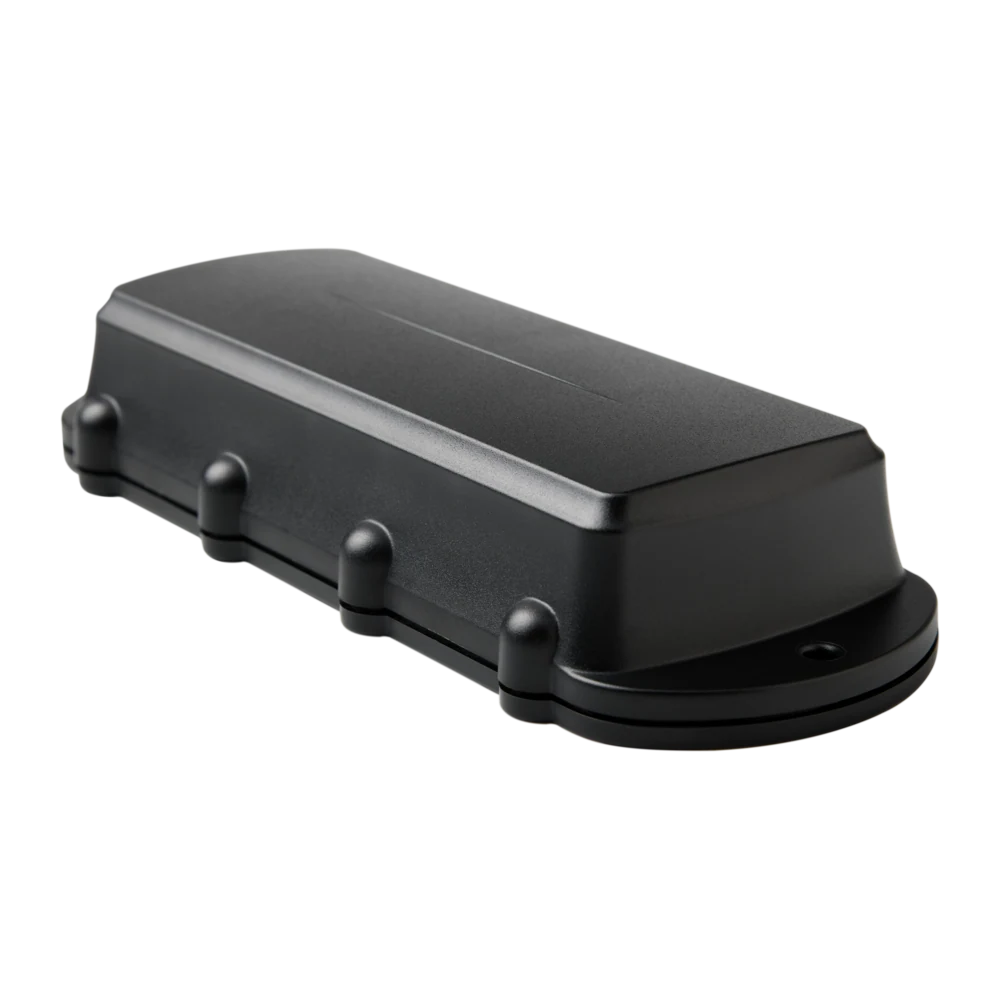
Remora3 Global GPS tracker on 4G Cat1bis with 2G fallback, Bluetooth 5.2 gateway
Remora3 GPS tracker on 4G LTE-M / NB-IoT with Bluetooth 5.2, massive battery life
Manta form-factor GPS-only tracker on 4G LTE-M / NB-IoT
Tell us what you run, where you run it and the risk profile. We'll match the hardware, platform and rollout plan to your operation.