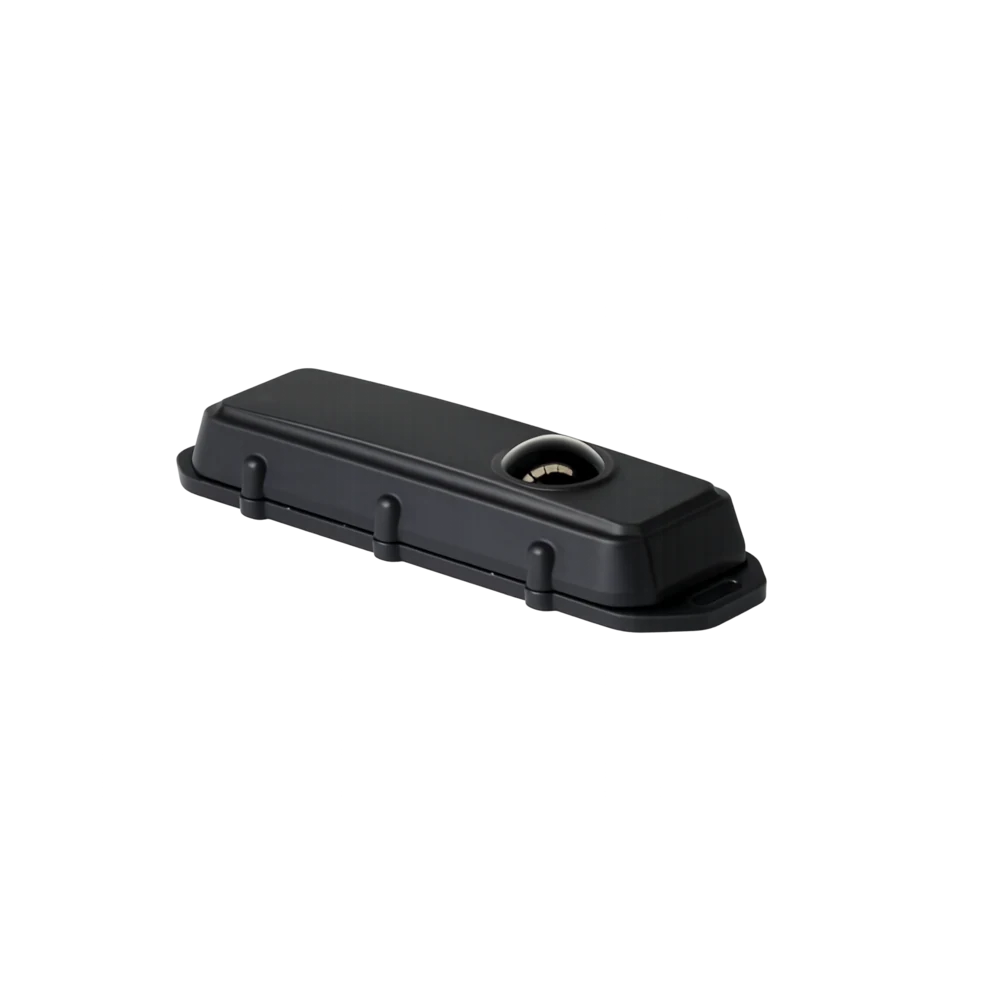
BARRA-RADAR-BLE · Wireless trackers
Barra Radar BLE
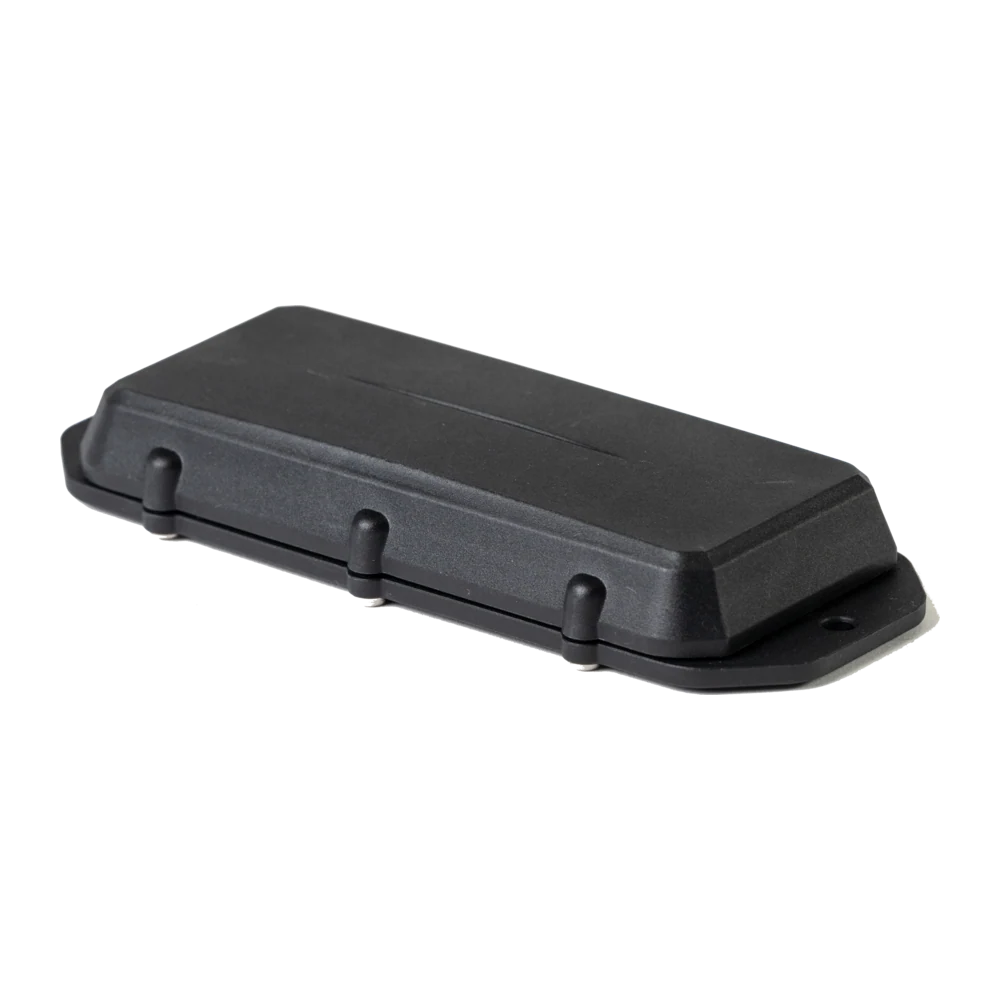
Object and Level Detection via Radar Bluetooth device in Barra form-factor (batteries not included)
IN STOCK · ZAR
HomeSolutionsWireless Asset TrackingWireless Medical Equipment Tracking
Operating layer · Solution
Battery powered tracking for hospital, clinic and ambulance equipment. Chain of custody, ward boundaries, ambulance transit, fast emergency locating.
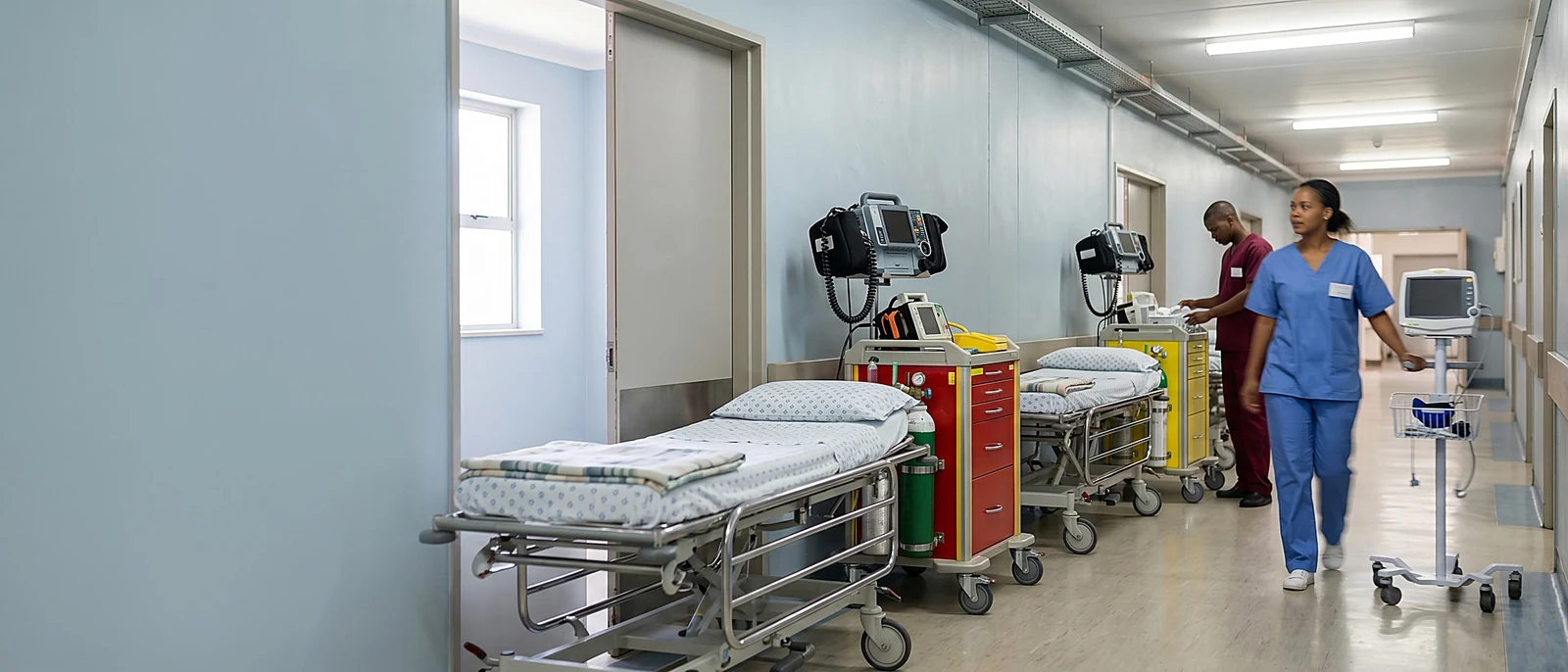
Hospital, clinic and ambulance equipment carries one shared chain of custody on the platform. A small battery powered locator on each portable infusion pump, ventilator, defibrillator, monitor and diagnostic kit makes the current location, the last ward it was in and the route between them visible in a glance. The night sister, biomedical engineering and the security team open the same dashboard and see the same answer, and every move logs a timestamped event for the utilisation report.
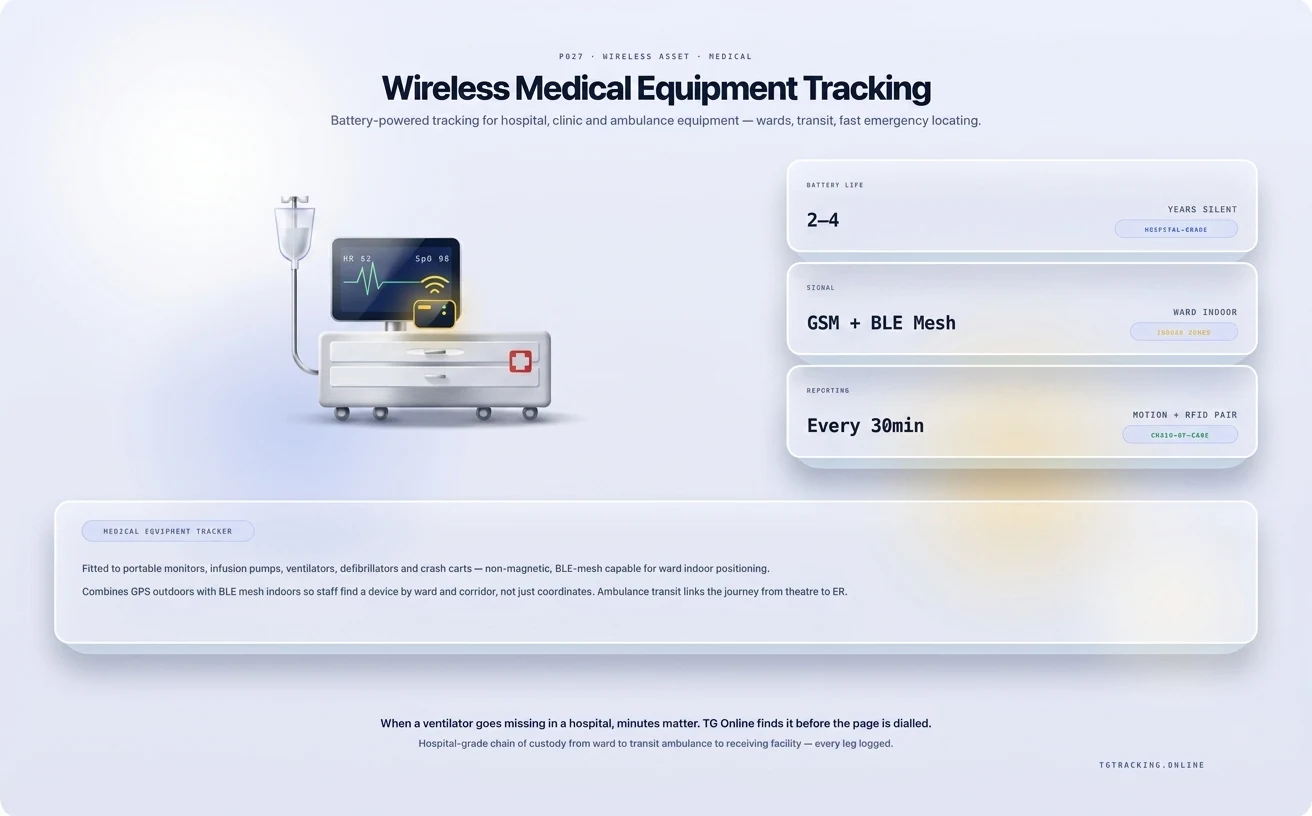
Wireless medical equipment tracking from TG Tracking puts a small battery powered locator on portable clinical equipment so hospitals, clinics, ambulance services and rental companies always know where each device is, which ward or bay it last left, and whether it is on its way back. It runs on the same platform as your Wireless asset tracking and feeds the broader Asset Tracking and Recovery workflow when a device leaves the building unauthorised.
The platform sets a zone per ward, theatre suite, ICU, ambulance bay and store room, and every move between zones logs a timestamped event. The circulation that every multi-ward facility runs, where a defibrillator borrowed from cardiology to ICU or a portable monitor used in a procedure travels between owning teams, becomes a continuous record rather than an end-of-shift reconstruction. The night sister opens the app and sees the current location of any device, the room it was last in, and the route between there and now.
EMS handovers are their own workflow. A ventilator that leaves a bay in Sandton on a 19:00 transfer, gets used on a critical patient at a tertiary hospital, and lives briefly on a trolley while the receiving team takes over, carries a route from one owning service to another. The platform tracks each piece of EMS equipment as an item with a home base, an owning service and a typical handover window. When a device crosses out of its home base for longer than expected, the alert reaches the right operations manager with the location and the timeline already attached. The same ambulance can carry assets that need temperature compliance: see Temperature and Cold Chain Monitoring.
Tracked medical equipment delivers two values at the same time. Day-to-day, biomedical engineering gets utilisation, time-on-ward and fleet-wide availability fed into TG Online, so clinical engineering, security and the night sister share one view. In the moments that count, the same data answers the locating question in seconds, on the same screen the team uses for everything else.
Public and private healthcare in South Africa runs at high asset utilisation with limited redundancy on the most expensive devices . Provincial hospitals share equipment between wards and clinics; private groups rotate stock between facilities; mobile clinics in rural KwaZulu-Natal, Eastern Cape and Limpopo carry expensive diagnostic kit between sites. Multi-network connectivity matters because rural mobile-clinic deployments cross between operators. The control room is in this country, in this time zone, and the recovery partners already work alongside healthcare facility security teams. For mobile clinics that also run in remote areas, see Wireless equipment tracking.
The tracker is battery powered, sealed, fitted externally to the chassis, and not wired into the medical device. The certification surface of the medical device is not changed. Confirm with biomedical engineering before deployment on any item under active clinical certification.
Small enough to mount on the back of a portable monitor, the underside of an infusion-pump base, or inside an EMS kit lid. Concealment matters because the value is in the recovery and the chain-of-custody log.
Yes. Each ward, theatre, ICU bay and ambulance is a zone. The platform logs every entry and exit, and the dwell-time view answers the second question every clinical engineer asks: how long has it been on that ward.
Cellular coverage in basements is patchy by definition. Reporting cadence drops to a heartbeat in such areas and resumes at full cadence on return to a covered zone. Weak-zone survey is part of onboarding.
Months to a small number of years depending on motion frequency and reporting cadence.
The platform supports multi-facility hierarchies, role-based access and per-facility reporting. Ambulance transits between provinces report through the route, including dwell at the receiving hospital and the return trip.
Tracked equipment turns the end-of-shift hunt into a five-second look at the dashboard. The clinical team stays on clinical work, and the asset record stays current without depending on the next handover note.
Self-powered trackers with multi-year battery life for trailers, containers, equipment and high-value assets.
Object and Level Detection via Radar Bluetooth device in Barra form-factor (batteries not included)
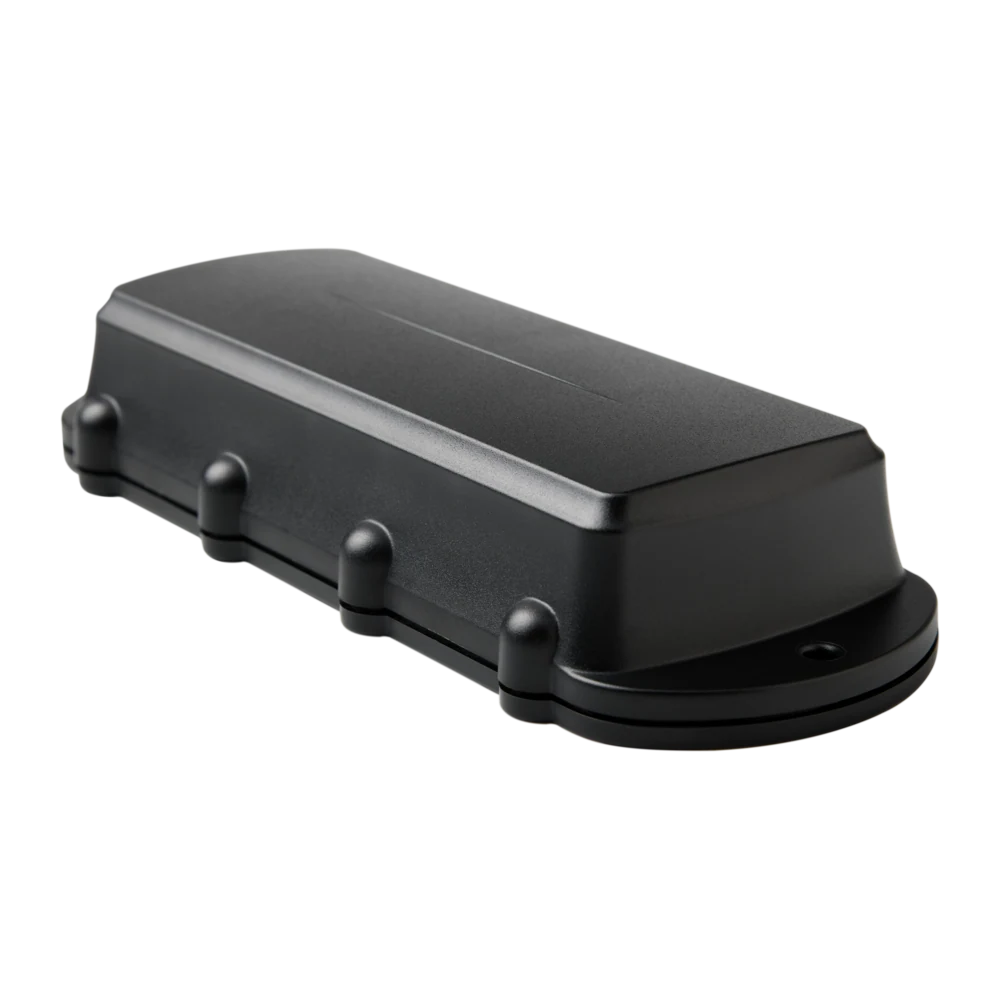
Remora3 Global GPS tracker on 4G Cat1bis with 2G fallback, Bluetooth 5.2 gateway
Remora3 GPS tracker on 4G LTE-M / NB-IoT with Bluetooth 5.2, massive battery life
Manta form-factor GPS-only tracker on 4G LTE-M / NB-IoT
Tell us what you run, where you run it and the risk profile. We'll match the hardware, platform and rollout plan to your operation.