Home/Solutions/Remote Sensor Monitoring
Remote Sensor Monitoring
Monitor equipment, water, fuel, environmental conditions and cold chain assets remotely with smart sensors, alerts and dashboard visibility.
TG Tracking helps businesses collect data from remote sites, equipment, tanks, meters, sensors and critical environments. Whether you need to monitor generator runtime, tank levels, fuel usage, soil moisture, temperature or water infrastructure, we help design the right remote monitoring solution for your operation.
- Equipment, water, fuel and temperature monitoring
- Sensor alerts and remote data logging
- Battery, solar, wired and external power options
- Built for remote and harsh environments
- Dashboard visibility and reporting
- Custom sensor configurations
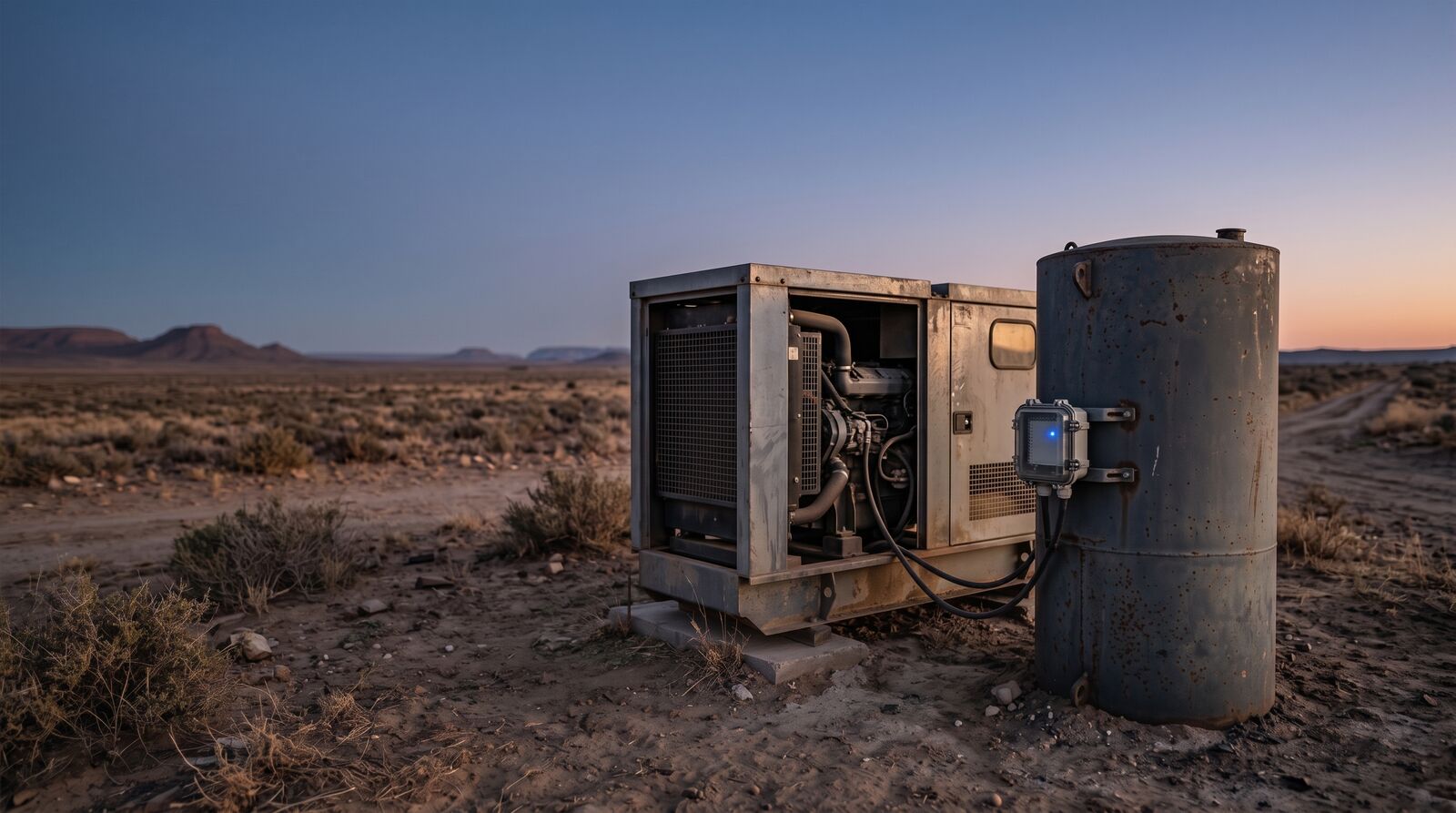
Stop relying on manual checks and delayed information
Manual checks are slow, expensive and often too late. Whether your team is checking water tanks, generators, pumps, cold rooms, fuel bowsers or environmental conditions, the problem is the same: by the time somebody gets there, the issue may already have caused damage, downtime or loss.
Remote sensor monitoring gives your business access to the data you need without sending people to every site, tank, machine or storage area.
Remote sensor monitoring helps you:
- Detect problems earlier
- Reduce site visits and manual inspections
- Prevent downtime, overflow, theft, spoilage or equipment failure
- Monitor remote and off-grid locations
- Create records for compliance, reporting and audits
- Improve maintenance planning
- Make decisions based on real data, not guesswork
What Remote Sensor Monitoring Helps You Solve
Reduce manual checks
Stop sending staff to physically inspect tanks, pumps, rooms, equipment or remote sites unnecessarily.
Detect issues earlier
Receive alerts for faults, threshold breaches, overflow, low levels, rapid drops, temperature changes and abnormal activity.
Reduce losses
Prevent avoidable losses caused by theft, leaks, spoilage, downtime or late response.
Improve maintenance planning
Use runtime, usage, fault and condition data to plan maintenance before failure.
Improve compliance and reporting
Create data logs and reports for cold chain, water, fuel, environmental and operational requirements.
One platform. Multiple sensor types. Many use cases.
Remote sensor monitoring can support a wide range of sensors and inputs depending on the equipment, site and required data.
TG Tracking helps connect the right sensor or data logger to the right monitoring requirement, then makes that data available through dashboards, reports and alerts.
Common sensor and input types include:
- Temperature sensors
- Humidity sensors
- Tank level sensors
- Fuel level sensors
- Flow meters
- Water meters
- Pulse counters
- Pressure sensors
- Soil moisture probes
- Weather station sensors
- Door sensors
- Tamper sensors
- Runtime monitoring
- Analog inputs
- Digital inputs
- RS-485 sensors
- 4-20 mA sensors
- SDI-12 sensors
Recommended Solution Structure
Explore a monitoring category
Equipment ManagementGenerators, pumps, pulse counting and task management.
Monitor generators, pumps, meters and equipment remotely
Equipment often operates in remote, harsh or unattended environments. Remote monitoring helps you understand whether equipment is running, failing, overused, underused or due for maintenance.
Generator Monitoring
Monitor generator runtime, start/stop events, usage, fuel levels, fault conditions and operating patterns.
- Backup generators
- Remote site generators
- Rental generators
- Trailer-mounted generators
- Industrial and mining generators
- Farm generators
Pump Monitoring
Monitor pump activity, failure conditions, run hours and operational status across water, industrial, agricultural and dewatering applications.
- Borehole pumps
- Irrigation pumps
- Dewatering pumps
- Industrial pumps
- Wastewater pumps
- Fluid transfer equipment
Pulse Counting
Use pulse counting to convert pulses from meters or switches into usable data.
- Water meters
- Flow meters
- Usage counters
- Run cycles
- Mechanical meter outputs
- Event counting
Task Management and Control
Use sensor data to trigger alerts, tasks, reports or workflows when thresholds are reached.
- Generator fault alert
- Pump failure alert
- Tank low-level alert
- Water overflow alert
- Fuel drop alert
- Maintenance task creation
Water ManagementTank levels, storm water, water metering and sewer levels.
Monitor water levels, flow, meters and infrastructure remotely
Water systems are often spread across farms, municipalities, mines, industrial sites and remote infrastructure. Remote monitoring helps prevent overflow, shortages, leaks, flooding, incorrect readings and infrastructure damage.
Tank Level Monitoring
Monitor tanks, reservoirs, cisterns, storage tanks and chemical tanks.
- Preventing empty tanks
- Preventing overflow
- Planning refills
- Monitoring remote storage
- Reducing unnecessary site visits
Storm Water Monitoring
Monitor storm water levels, flood risk, water ingress and drainage infrastructure.
- Flood alerts
- Drainage monitoring
- Estate and municipal infrastructure
- Industrial sites
- Environmental risk management
Water Metering
Track water usage and flow remotely using compatible meters, pulse meters or flow sensors.
- Usage visibility
- Billing support
- Leak detection
- Consumption reporting
- Agriculture and industrial water management
Sewer Level Monitoring
Monitor sewer and wastewater levels to detect blockages, overflow risk and pump failures.
- Municipal infrastructure
- Estates
- Industrial wastewater
- Pump stations
- Environmental compliance
Environmental MonitoringAgriculture, soil moisture, temperature, humidity, livestock, wildlife, water treatment and weather stations.
Monitor environmental conditions across farms, sites and remote locations
Environmental monitoring helps organisations understand conditions that affect crops, livestock, infrastructure, compliance and operations.
Agriculture Monitoring
Monitor field conditions, irrigation effectiveness, rainfall, soil moisture, weather and growing conditions.
Soil Moisture Monitoring
Measure soil moisture to improve irrigation planning, reduce overwatering and support better crop management.
Temperature and Humidity Monitoring
Monitor temperature and humidity in:
- Greenhouses
- Storage rooms
- Warehouses
- Server rooms
- Farming environments
- Production areas
Livestock and Wildlife Monitoring
Support livestock, wildlife and conservation monitoring through connected sensors, trackers and environmental data.
- Farms
- Wildlife reserves
- Conservation projects
- Anti-poaching operations
- Free-roaming livestock
Water Treatment Monitoring
Monitor water quality and treatment conditions using compatible sensors.
Possible parameters include:
- pH
- Turbidity
- Conductivity
- Dissolved oxygen
- Chemical dosing
- Water level
- Flow
Weather Station Monitoring
Capture outdoor environmental data for farms, remote sites and planning.
Possible measurements include:
- Temperature
- Humidity
- Rainfall
- Wind speed
- Barometric pressure
- Solar radiation
Fuel MonitoringFuel usage, theft detection and tank level monitoring.
Monitor fuel usage, theft and tank levels
Fuel is expensive, mobile and often difficult to control. Without accurate monitoring, businesses can lose money through theft, leakage, poor consumption, false refuels, incorrect deliveries and unauthorised use.
Fuel Usage and Theft Monitoring
Detect unusual fuel drops, rapid draining, siphoning, after-hours use and abnormal consumption patterns.
- Generators
- Trucks
- Fuel bowsers
- Heavy machinery
- Mining sites
- Construction sites
- Farms
- Remote camps
Fuel Tank Level Monitoring
Monitor tank levels in fixed tanks, mobile bowsers, generator tanks and remote fuel storage.
- Refill planning
- Delivery verification
- Theft detection
- Leak detection
- Overfill alerts
- Consumption reporting
Fuel monitoring can help you:
- Track every litre more accurately
- Detect sudden drops
- Confirm refuels and deliveries
- Reduce theft and misuse
- Improve fuel accountability
- Monitor remote or mobile fuel stores
Temperature and Cold ChainRefrigerated transport, cold storage, food production, server rooms and farming.
Protect temperature-sensitive products, rooms and equipment
Temperature monitoring is critical where stock, food, medicine, equipment or IT infrastructure depends on stable environmental conditions.
Refrigerated Transport
Monitor refrigerated trucks, fridge trailers and reefer units while goods are in transit.
- Dairy
- Meat and poultry
- Frozen goods
- Pharmaceutical transport
- Medical deliveries
- Fresh produce
- Multi-zone refrigerated loads
Cold Storage
Monitor cold rooms, freezers, walk-in fridges, distribution centres and pharmaceutical storage.
Useful alerts include:
- High temperature
- Low temperature
- Door left open
- Compressor failure
- Power loss
- Humidity changes
Food Production
Monitor production rooms, processing areas, packing lines, prep areas and holding rooms.
- Food safety
- HACCP support
- Temperature logs
- Humidity monitoring
- Quality control
- Audit records
Server Rooms
Monitor server rooms and IT infrastructure to prevent overheating, hardware damage and downtime.
Useful alerts include:
- High temperature
- Humidity spikes
- HVAC failure
- Rapid heat rise
- Power interruption
Farming
Monitor barns, hatcheries, greenhouses, seed storage, produce storage and dairy rooms.
- Poultry
- Livestock farms
- Greenhouses
- Nurseries
- Vineyards
- Dairy farms
- Produce packing
How Remote Sensor Monitoring Works
Tell us what you need to monitor
Share the site, equipment, environment, sensor requirement and data objective.
We recommend the right sensor setup
TG Tracking helps identify the correct sensors, data logger, power option and connectivity approach.
We configure alerts and reporting
Set thresholds, alerts, reports and dashboards around the information that matters.
Data is sent to the platform
Sensor data is collected and sent to a cloud-based platform for viewing, alerts and reporting.
Your team monitors remotely
View readings, alerts, history and reports from web or mobile access.
Scale across sites
Add more sensors, locations, dashboards, reports and integrations as your requirements grow.
Industries That Use Remote Sensor Monitoring
Remote sensor monitoring can support many industries and operating environments.
- Agriculture and Farming
- Soil moisture, water levels, pumps, tanks, weather stations, livestock environments and cold storage.
- Mining
- Fuel tanks, pumps, generators, water systems, environmental conditions and remote infrastructure.
- Construction
- Generators, pumps, fuel bowsers, water tanks, site equipment and temporary infrastructure.
- Food Production
- Temperature, humidity, cold rooms, production areas, packing lines and compliance records.
- Cold Chain and Refrigerated Transport
- Temperature, humidity, doors, routes and cold chain reporting.
- Utilities and Municipal Services
- Water metering, sewer levels, storm water, pump stations and water treatment.
- Industrial Operations
- Equipment monitoring, fuel storage, environmental data, tanks and process monitoring.
- IT and Facilities
- Server rooms, temperature, humidity, power and HVAC monitoring.
Why Choose TG Tracking for Remote Sensor Monitoring?
Custom sensor configurations
We help match the correct sensors, data logger and reporting setup to the job.
Built for remote environments
Suitable for farms, mines, construction sites, utilities and off-grid locations.
Multiple power options
Battery, solar, wired and external power options depending on the site.
Alerts and dashboard visibility
Monitor readings, receive alerts and view data remotely.
Scalable across sites
Start with one use case and expand across multiple assets, locations and departments.
Tracking, sensors and reporting together
TG Tracking combines location tracking, sensor data, dashboards, alerts and integrations.
FAQs
What is remote sensor monitoring?
What can TG Tracking monitor?
Do the sensors need power?
Can TG Tracking monitor tanks?
Can TG Tracking monitor fuel theft?
Can TG Tracking monitor cold rooms?
Can TG Tracking monitor pumps and generators?
Can remote sensors work in harsh environments?
Can I view sensor data remotely?
How is pricing worked out?
Ready to Monitor Your Equipment, Water, Fuel or Cold Chain Remotely?
Tell us what you need to monitor, and TG Tracking will help design the right sensor, device and reporting solution for your operation.