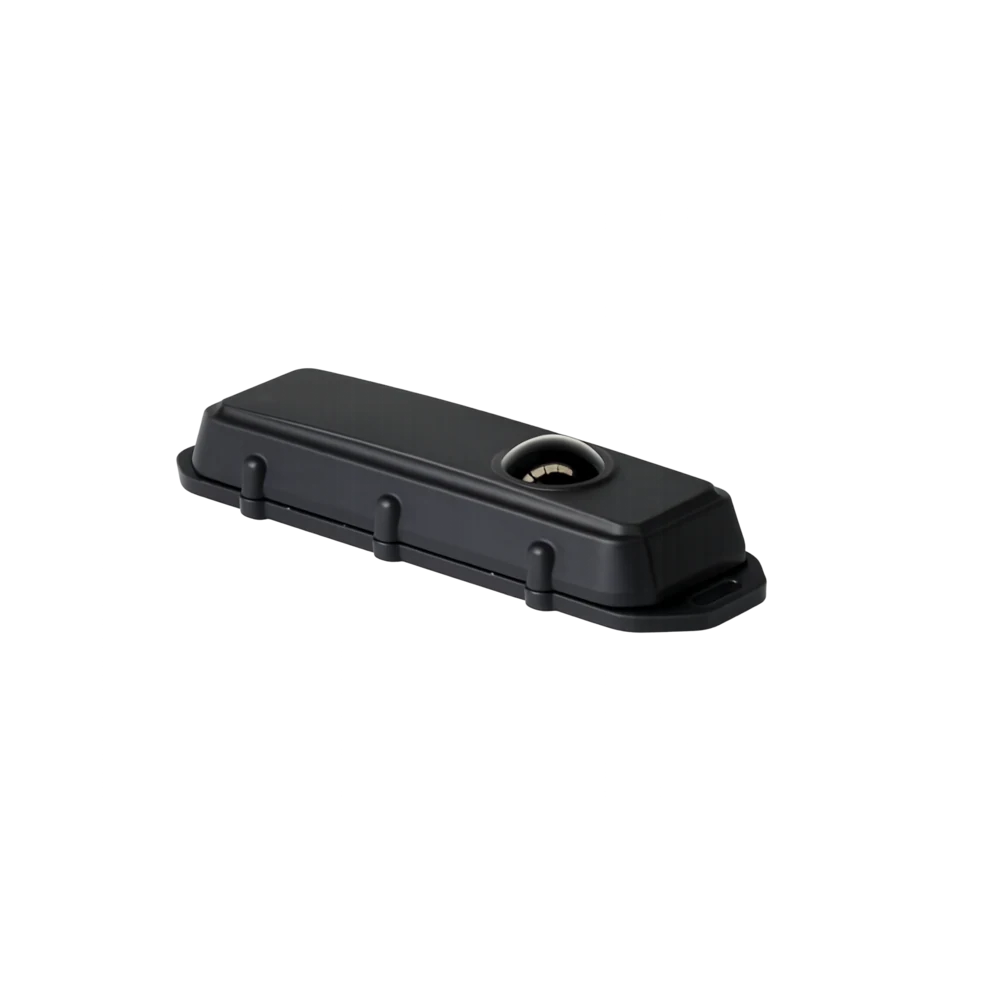
BARRA-RADAR-BLE · Wireless trackers
Barra Radar BLE
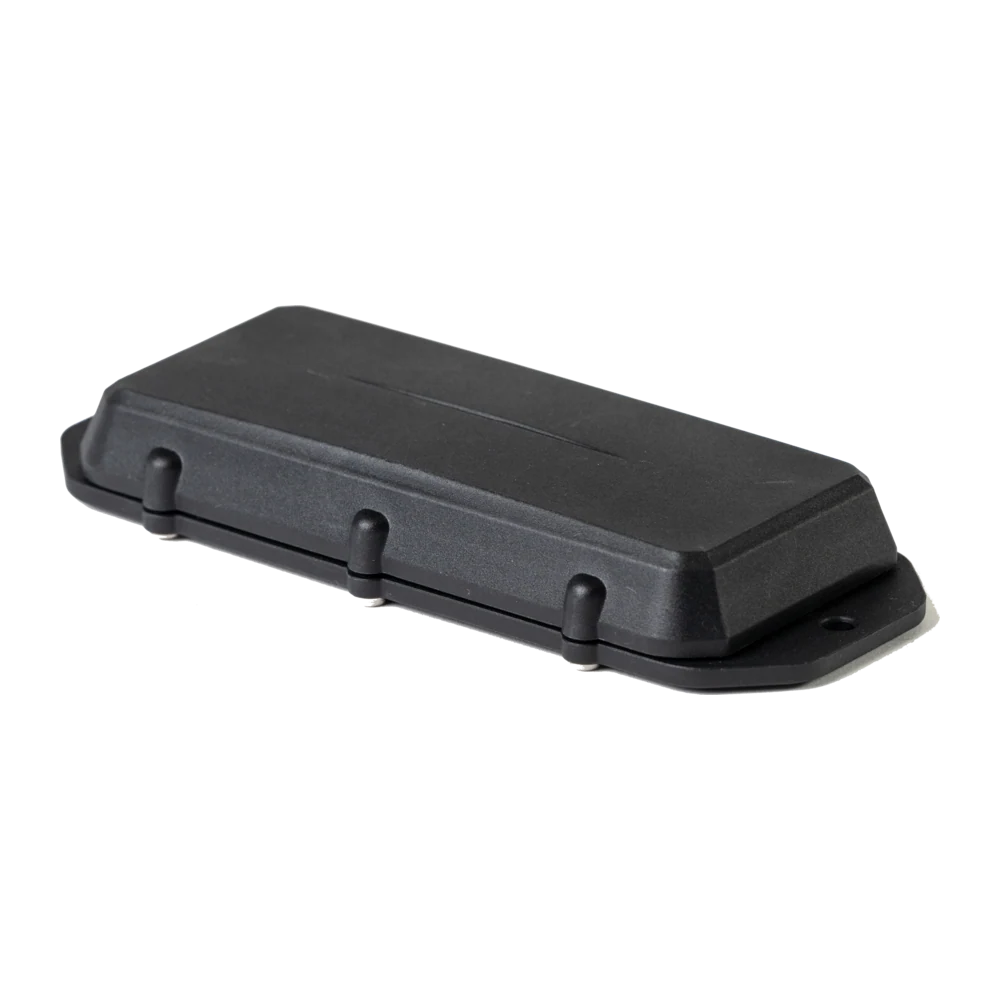
Object and Level Detection via Radar Bluetooth device in Barra form-factor (batteries not included)
IN STOCK · ZAR
HomeSolutionsWireless Asset TrackingWireless Fuel Bowser Tracking
Operating layer · Solution
Battery powered tracking for diesel and petrol bowsers. Pair with fuel level sensors to catch siphoning, route deviation and unauthorised dispensing.
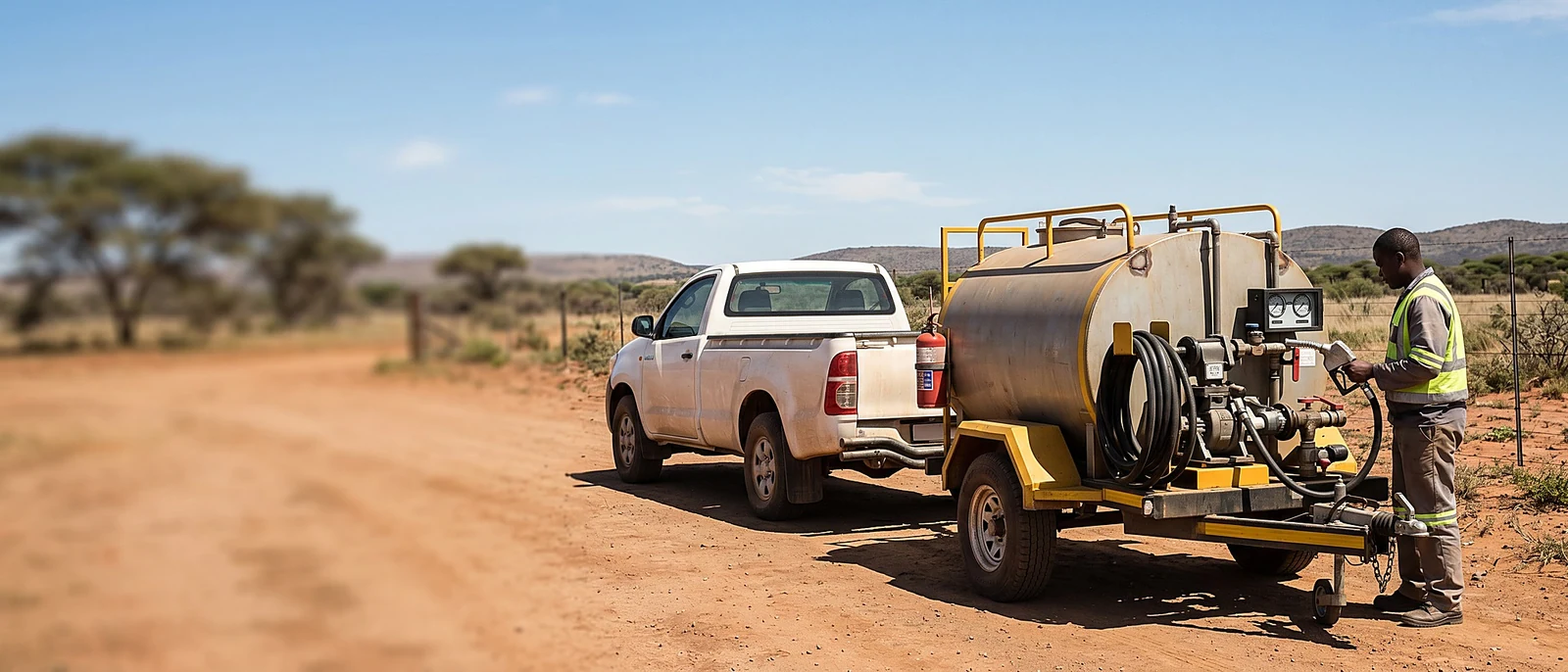
A wireless bowser tracker pairs the asset's location with its tank-level data, so a depot manager reconciles every delivery, every dispense and every refill from a single dashboard. Each litre that enters or leaves the bowser is paired with a position, a time and an authorised consumption record. The bowser becomes its own audit trail, ready for the Monday morning conversation about what the project actually used.
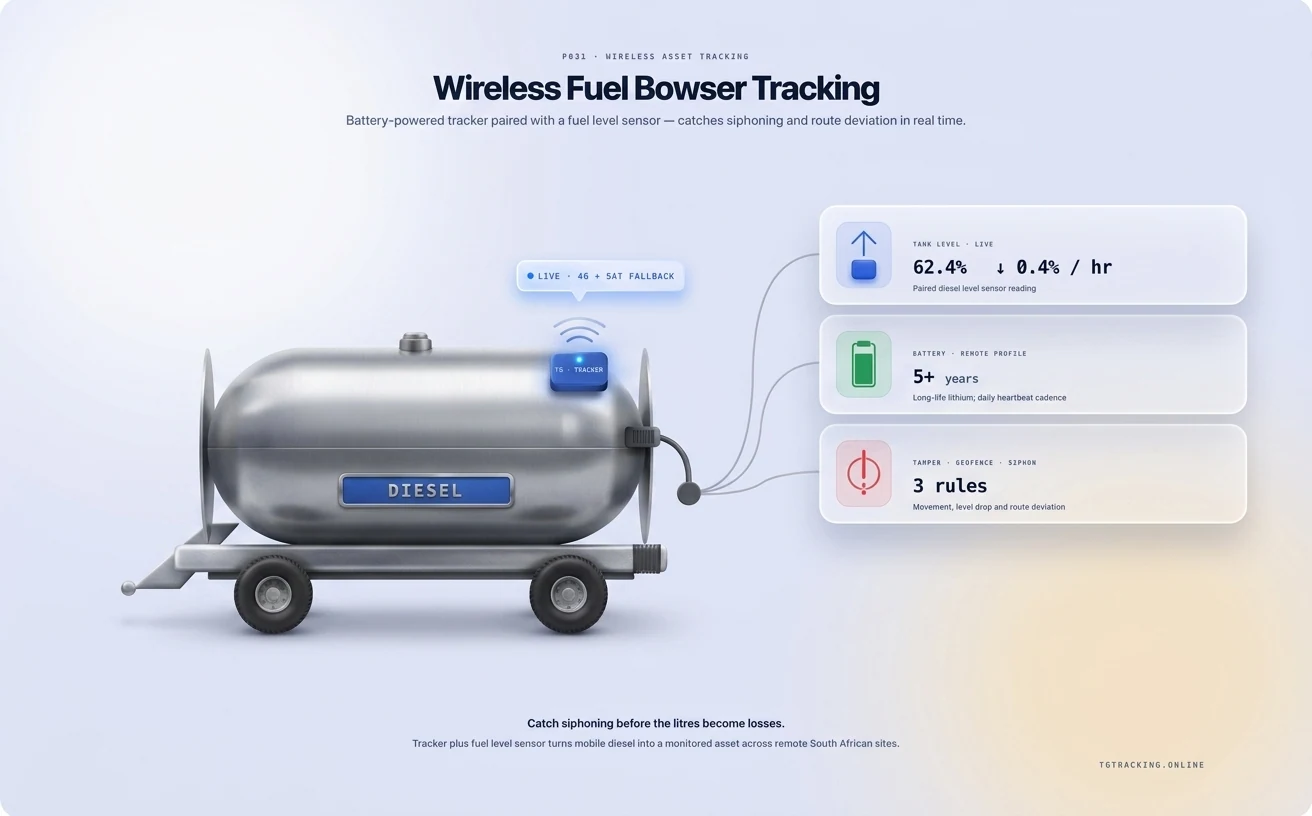
Wireless fuel bowser tracking from TG Tracking pairs a battery powered GPS device on the chassis of a diesel or petrol bowser with a fuel level sensor inside the tank, so the platform reports both location and litres at the same time. It runs on the same platform as Fuel Monitoring and the wider Wireless asset tracking family, with a bowser-specific alert profile for siphoning, unauthorised dispensing and route deviation between the depot and the refuelling site.
Depot diesel sits inside a fenced perimeter with a guard, CCTV and a static cellular signal. Mobile diesel lives on a remote site, a contractor's farm road, a quiet industrial park or a haul-road layby. The bowser is the asset, the tank is the inventory, and the two need to be reconciled together. A GPS tracker tells you where the bowser is at any moment. A fuel level sensor tells you the volume inside it. The platform combines the two streams so every change in litres has a position, a time and a route record alongside it.
The bowser carries the GPS device for location, motion, geofence and tamper. Inside the tank, a level sensor reports volume against a calibrated curve. The platform reconciles the two streams in real time. A 600 litre overnight drop with the bowser stationary inside the geofence fires a siphoning alert. A 200 litre drop while moving fires nothing, because that is dispensing on a planned route. A 600 litre drop stationary outside the geofence fires the highest-priority alert. For depot-side, in-vehicle and infrastructure tank monitoring, see Fuel Monitoring.
A bowser on a planned run from the depot to a remote pit, plant site or farm pump should follow a specific route at a specific time of day. Deviation can be unauthorised personal use, on-sale of fuel from the route, or a planned stop the operator did not log. The platform flags route departure the moment the bowser leaves a configured corridor. The history shows whether the deviation lined up with a logged dispense, a credible refuel stop or no operational reason at all.
The third stream the platform watches is dispensing itself. Every dispense from the bowser carries a level drop, a position and a time. Reconciliation against the issued consumption record turns each dispense into either a confirmed entry on the sheet or a question. A 200 litre dispense matched to a logged vehicle on a logged site is a closed record. A dispense without a matching entry is flagged for the next morning review.
South African bowsers run in three distinct environments. Mining: a 10 000 litre bowser shuttling between a depot and the haul-road dispensing point at a Limpopo platinum mine, a Mpumalanga coal operation or a Northern Cape iron ore site. Construction: a 2 500 litre bowser parked overnight at a Gauteng or Western Cape building site with no fixed perimeter. Agriculture: a 5 000 litre diesel trailer behind the workshop on a Free State maize farm, a KwaZulu-Natal sugarcane estate or a Limpopo citrus orchard. Each environment has its own theft profile and its own dispensing pattern. The platform's alert profile is configured per environment, not as a single national rule. Mining-site deployments often integrate with Mining IVMS so the bowser sits inside the same compliance frame the mine already audits.
A capacitive or ultrasonic sensor that suits the tank geometry, calibrated to the bowser's fill curve. Compatibility, mounting and cadence depend on tank type.
Yes. The platform reconciles motion, geofence, level drop and time. A drop with the bowser stationary outside an authorised dispensing point with no logged consumption record is a siphon. A drop on the dispensing point matched to a record is a dispense.
Sealed against vapour, mounted out of the dispensing path, and rated for the heat envelope of a sun-exposed bowser. The device is concealed inside the chassis or behind a steel panel.
Depends on motion frequency, level-reporting cadence and ambient temperature.
The SIM is multi-network and roams where roaming is configured; cross-border runs are scoped in onboarding because customs and fuel-import rules vary per border. The GPS device is universal across tank sizes; the level-sensor selection and calibration changes with tank geometry.
Yes. The bowser appears alongside vehicles, trailers and other assets in TG Online, with the live level number on the asset card.
A 5 000 litre bowser carries real money in the tank. The combined GPS plus level-sensor record gives the project the same audit trail a depot already has, so the bowser earns its place on the consumption ledger like every other inventory line.
Self-powered trackers with multi-year battery life for trailers, containers, equipment and high-value assets.
Object and Level Detection via Radar Bluetooth device in Barra form-factor (batteries not included)
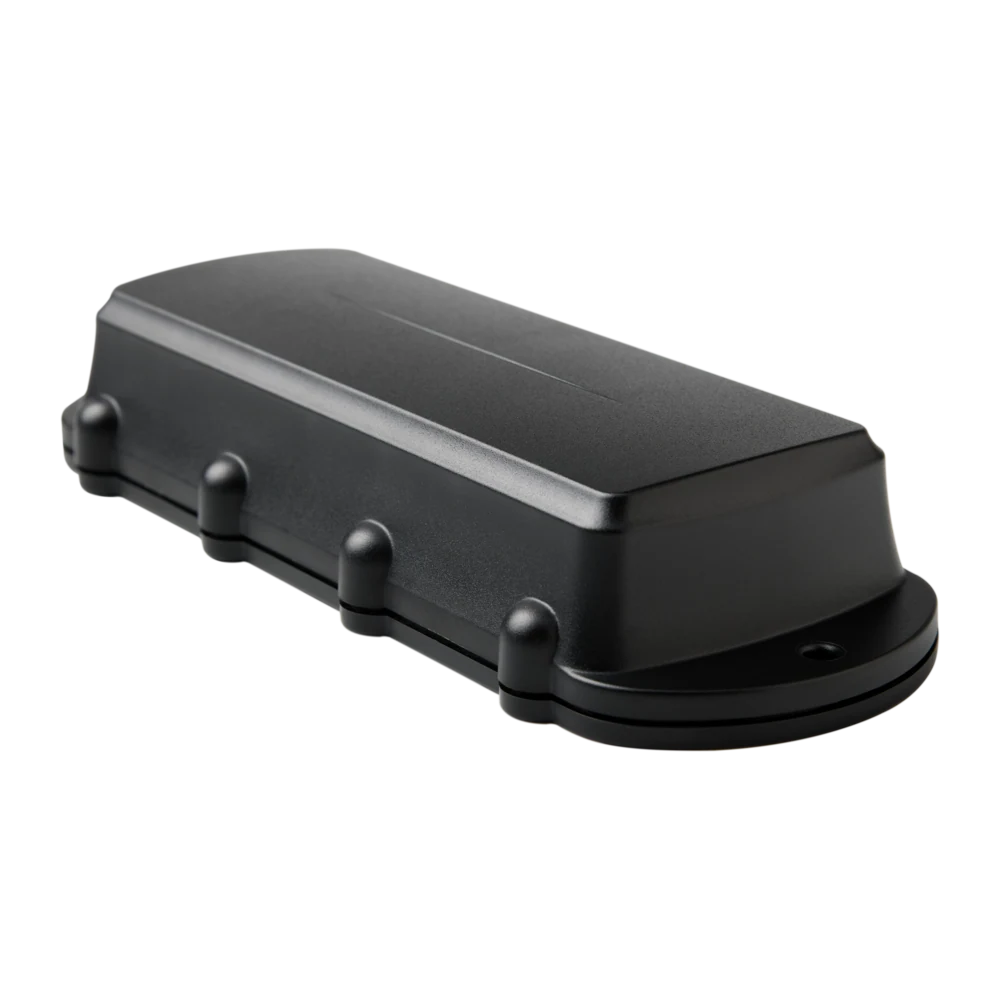
Remora3 Global GPS tracker on 4G Cat1bis with 2G fallback, Bluetooth 5.2 gateway
Remora3 GPS tracker on 4G LTE-M / NB-IoT with Bluetooth 5.2, massive battery life
Manta form-factor GPS-only tracker on 4G LTE-M / NB-IoT
Tell us what you run, where you run it and the risk profile. We'll match the hardware, platform and rollout plan to your operation.