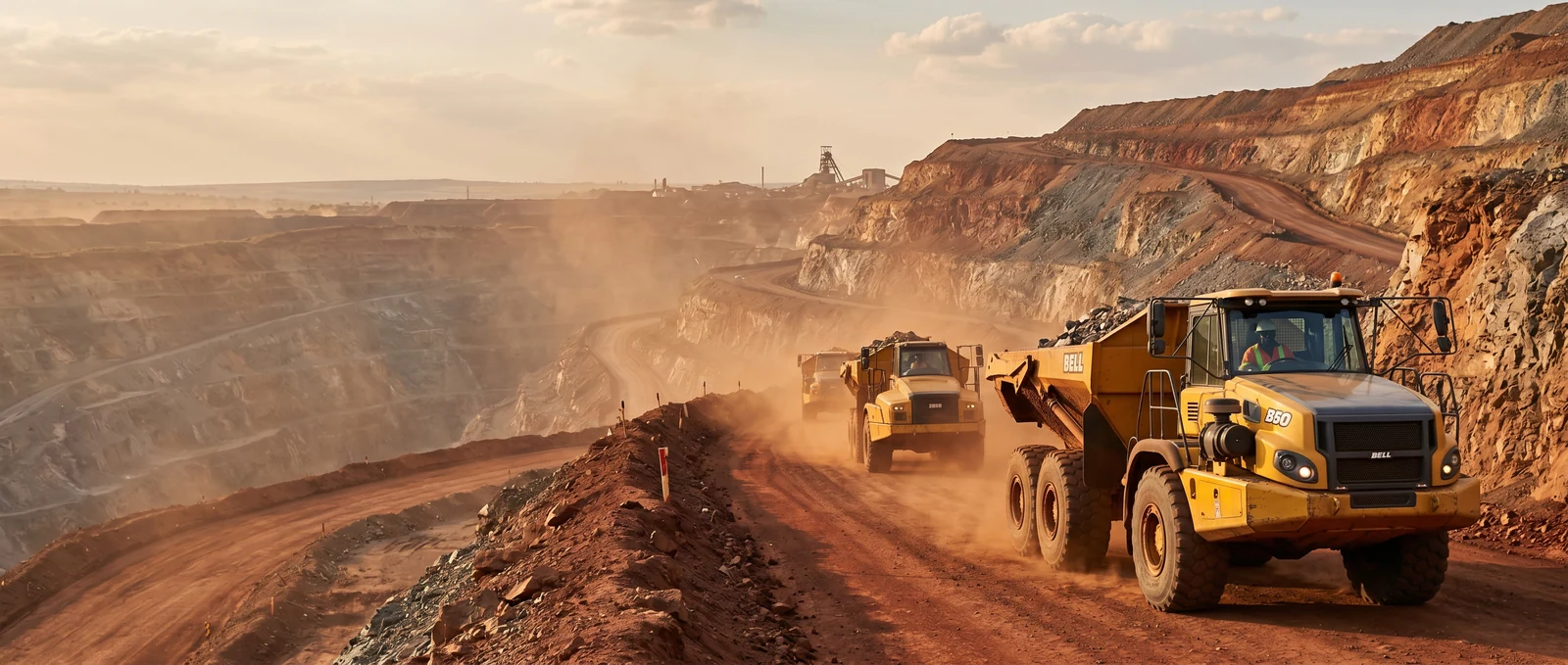
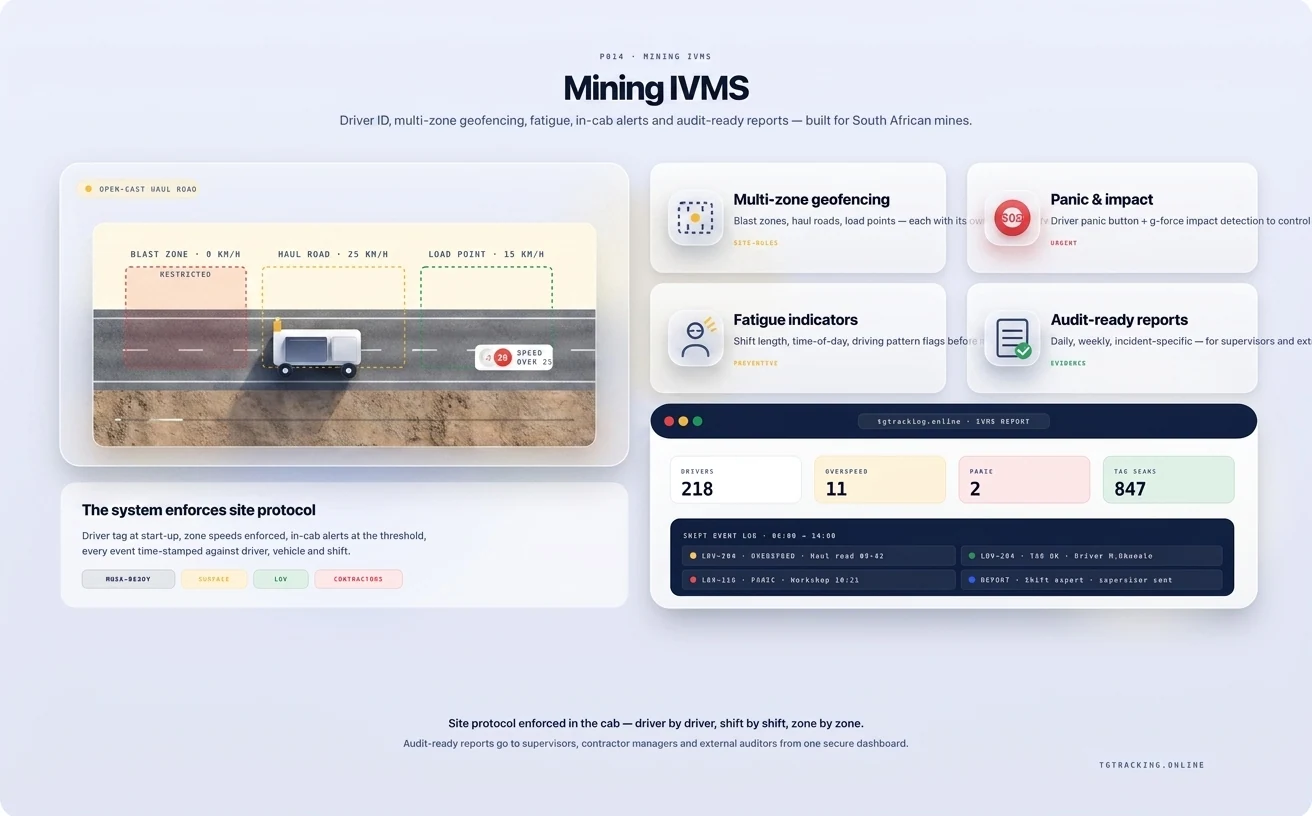
A haul truck in a Limpopo open-cast pit approaches a 25 km/h limit zone. The driver has been on shift for six hours. The supervisor is in a safety meeting up at the office. The IVMS console reads the driver's tag, applies the zone speed profile, sounds an in-cab alert at 28 km/h and logs the event with a time-stamp the safety officer can show in Friday's report. None of that depends on the supervisor being in the room. The system enforces the protocol while people are doing other work, and the audit trail is written before anyone goes looking for it.
Direct answer
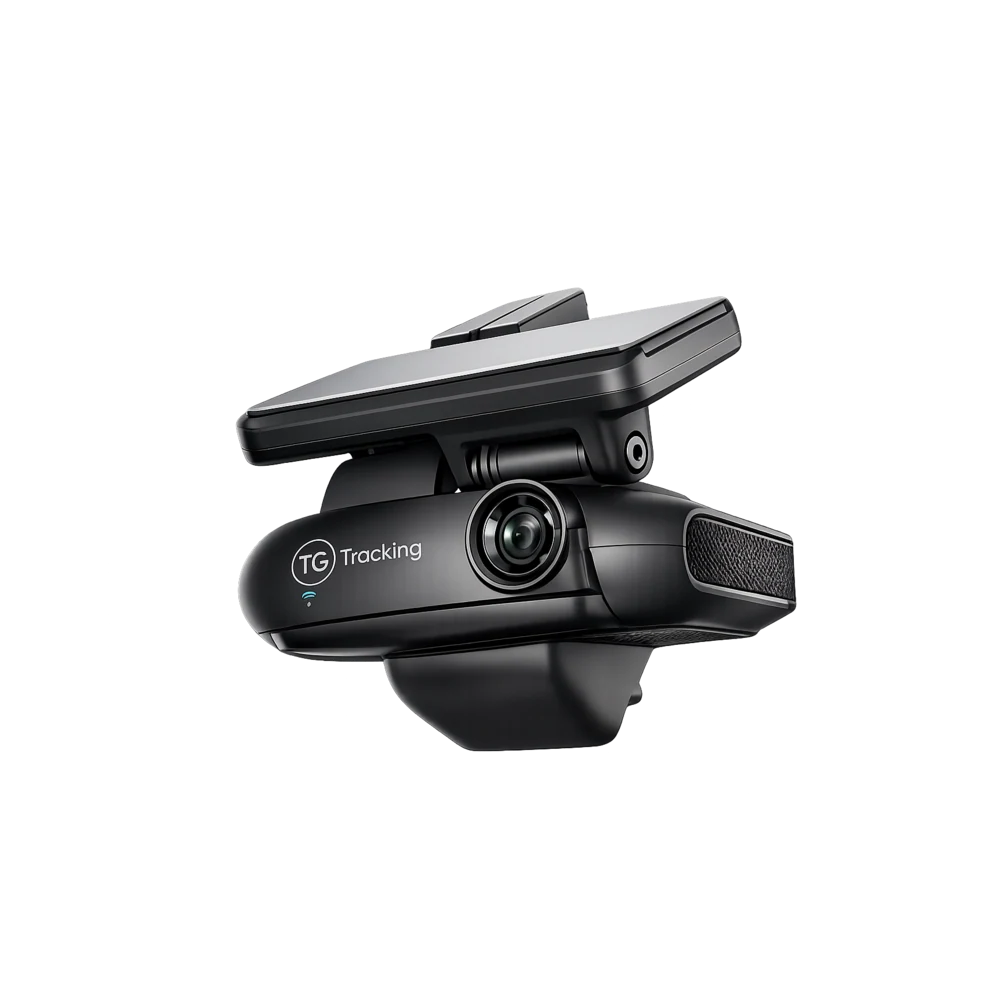
TG Tracking Mining IVMS is an in-vehicle monitoring system built for the safety, compliance and harsh-environment requirements of South African surface and remote mining operations. It covers driver identification, fatigue and behaviour monitoring, multi-zone geofencing, in-cab alerts, panic and impact detection, and audit-ready IVMS reports for site supervisors, contractor managers and Mine Health and Safety Act compliance. It runs on the same platform as your Fleet Tracking and Management, AI Camera Solutions and Fuel Monitoring, with rugged hardware specified for mine-site conditions.
What a mining IVMS does on a mine site
A mining IVMS is more than a tracker. It is the system that enforces the operating rules of a particular site, on a particular vehicle, by a particular driver, on a particular shift, in real time.
Driver identification and shift control
Every driver carries a tag or card. The vehicle reads the tag at start-up, ties the trip to that driver's record, applies the driving profile assigned to their qualification, and refuses to operate without an authorised tag where the site protocol requires it. Pre-shift checklists, breathalyser pass and licence validity can be wired into the start-up flow. The system records who was at the wheel for every metre and every event.
Driver behaviour and fatigue indicators
Harsh braking, harsh acceleration, harsh cornering, speeding against zone limits, seatbelt status, idling, and ignition events are recorded in real time. Fatigue indicators are derived from driving pattern, shift length and time-of-day flags. In-cab alerts give the driver a chance to correct before the event becomes a write-up. For sites running camera-based driver monitoring, AI Camera Solutions add eyes-off-road, distraction and drowsiness detection to the same record.
Geofencing for blast zones, haul roads and restricted areas
Multi-zone geofencing covers blast zones, workshops, wash bays, loading and tip points, restricted areas, mining residue management areas, fuel bays, and contractor zones. Each zone carries its own speed profile and access rule. Boundary breaches and over-speed inside a zone trigger immediate alerts and write to the site safety log.
Trip, event and audit reports
Every shift, route, deviation, speeding event, harsh-event, ignition cycle and zone breach is recorded against the driver, vehicle and shift. Reports are generated for shift supervisors, safety officers, contractor managers, and external auditors. Daily, weekly and incident-specific exports are available from a secure dashboard accessible to the people you authorise.
Which mining vehicles and operations are covered
Mining IVMS is specified differently by vehicle class and site environment. The hardware family is the same, the mounting and configuration changes.
Vehicle classes
Light delivery vehicles and personnel carriers, service bakkies, supervisor vehicles, contractor LDVs, surface haulers and articulated dump trucks, water carts, fuel bowsers, graders and dozers carrying telemetry-compatible hardware, and the bus or shuttle fleet that brings shifts on and off site.
Site types
Surface mines, open-cast operations, large quarries, mineral processing plants and the contractor-heavy sites that surround them. The platform supports remote operations on the Northern Cape iron-ore corridor, the Limpopo platinum belt, the Mpumalanga coalfields and the Witwatersrand basin's surface operations, with multi-network connectivity through the cellular gaps and satellite-capable hardware on the longest-range LDVs.
Hardware durability
Mining vehicles run in heat, dust, vibration and constant shock. The IVMS hardware is selected for those conditions, with sealed housings, vibration-tolerant mounting and connectors specified for harsh environments. We do not sell consumer-grade trackers into mine sites and rebadge them.
Why TG Tracking for mining IVMS: the compliance-first integration
Mining is a regulated environment. The Mine Health and Safety Act, MHSC publications, mine-specific standards and the contractor management protocols of every major South African mining house all apply at once. An IVMS that lives in its own silo means a safety officer copying data into spreadsheets on Sunday night for Monday's stand-up. An IVMS that lives next to fleet tracking, fuel monitoring, AI cameras and asset tracking means the safety report is already half-built when the safety officer opens the platform.
TG Tracking Mining IVMS is configured for site protocols at onboarding rather than after the fact. Your specific zone map, speed profiles, driver categories, contractor segmentation and reporting cadence are set up before the first vehicle goes live. The reports your mine safety committee asks for and the reports your contractor manager owes the principal mining house are templated to match. Integration with Fuel Monitoring, Asset Tracking and Recovery and Business Intelligence Dashboards means the same IVMS data feeds production, cost and safety conversations from one place.
South African mining context
South African mining IVMS has to cope with the combination of a regulator that audits, a workforce on rotational shifts often travelling long distances to and from site, contractor populations that change weekly, sites that span tens of kilometres in some cases, and a topography that includes long descents into pits where speed and brake-wear discipline matter daily.
The platform handles the rotational realities. Multi-network cellular plus satellite-capable hardware addresses the connectivity gaps in remote operations. The control room is reachable when an event needs human escalation rather than just a logged alert. Pre-shift and post-shift workflows can be wired into the on-board console so the start-of-shift compliance steps are part of the vehicle starting, not a paper exercise on a clipboard. For mines along the Limpopo and Mpumalanga corridors, the same platform tracks the contractor fleet from depot to gate with Fleet Tracking and Management before it ever enters the IVMS-controlled site.
Frequently asked questions
Does Mining IVMS replace our existing site safety system?
In most cases it complements rather than replaces. A mine site already has safety processes, supervisors and committees. The IVMS is the data and enforcement layer that sits inside the vehicle. Where a site uses a particular SCADA, fatigue camera or proximity-detection system, the IVMS data is integrated with it via the API and webhooks wherever practical.
What about underground operations?
This page covers surface and remote mining. Underground IVMS has additional requirements, particularly around intrinsic safety certification for explosive atmospheres, that we scope on a per-site basis. Contact us if your operation is underground and we will confirm what is and is not in scope.
How does fatigue detection actually work?
Fatigue is inferred from driving pattern, shift length, time-of-day flags and where applicable, in-cab driver-monitoring camera data from AI Camera Solutions. The platform escalates differently to a single-event harsh brake versus a sustained pattern of fatigue indicators across a shift. No system replaces a properly designed shift roster.
Is the system audit-ready for our principal mining house?
Reports are designed for safety committee, contractor compliance and principal-house audit needs. Specific report formats are configured at onboarding to match the reporting standards your principal house asks for. We do not promise an outcome that depends on a third-party auditor, but the data and templates are designed to make the audit defensible.
Can we use the same hardware for production and safety reporting?
Yes. The same IVMS feeds the safety system and the operational system. Cycle time, payload (where weight or level sensors are fitted), idle time and fuel data flow into Business Intelligence Dashboards for production-side conversations.
What does training look like for supervisors and drivers?
Supervisor training covers the dashboard, the alert workflow, the report templates and the escalation tree. Driver training covers what the in-cab system does and does not do, what the alerts mean, and the rationale for the protocol. Both are part of the rollout plan, not a separate purchase.
How do contractors fit in?
Contractor fleets are handled as separate cohorts within the platform with their own dashboards, their own escalation chain and visibility limited to the relevant principal-house safety team. Contractor turnover is handled through driver-tag management rather than re-installations.
Talk to our mining team
If you carry a mine safety obligation, a contractor compliance obligation or a principal mining-house reporting obligation, an IVMS that lives outside your fleet platform is a costlier setup than it looks. Book an IVMS demo and we will walk you through driver tagging, zone configuration, the in-cab alert flow and the audit reports, with your site protocol in mind.
Recommended hardware
The right tracking layer for mining ivms.
Vehicle, asset, driver and reporting hardware tuned to the way real businesses run fleets.
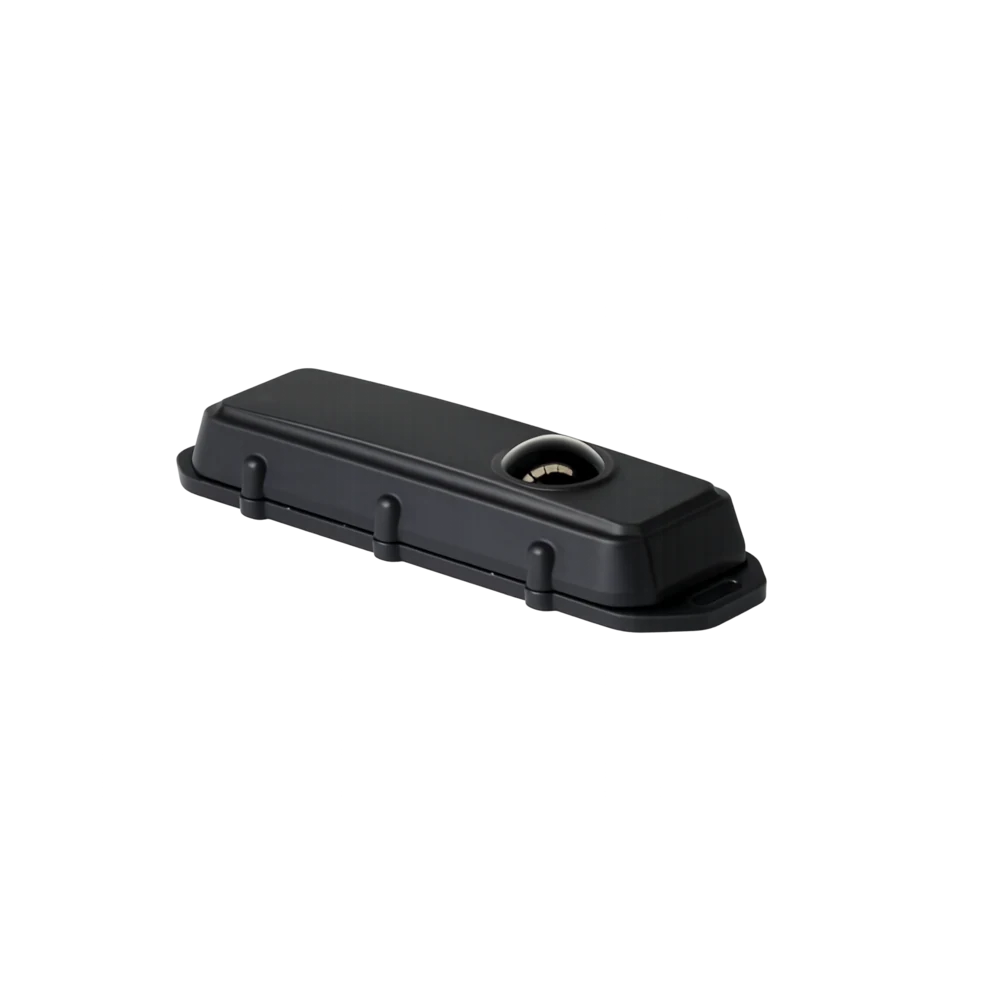
BARRA-RADAR-BLE · Wireless trackers
Barra Radar BLE
Object and Level Detection via Radar Bluetooth device in Barra form-factor (batteries not included)
IN STOCK · ZAR
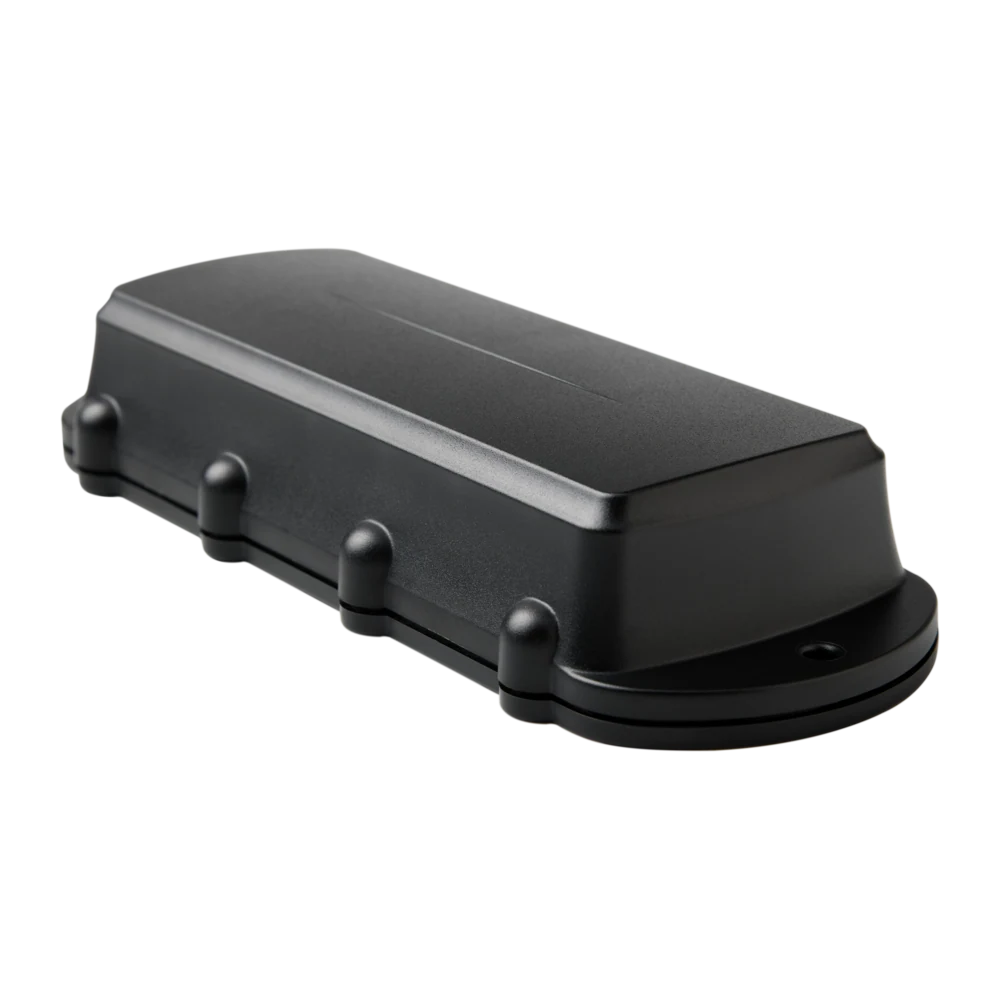
REMORA3-GLOBAL · Wireless trackers
Remora3 Global
Remora3 Global GPS tracker on 4G Cat1bis with 2G fallback, Bluetooth 5.2 gateway
IN STOCK · ZAR
More in Business
Business overview
Related business solutions.
Talk to TG Tracking
Add Mining IVMS to your fleet operating layer.
Tell us what you run, where you run it and the risk profile. We'll match the hardware, platform and rollout plan to your operation.