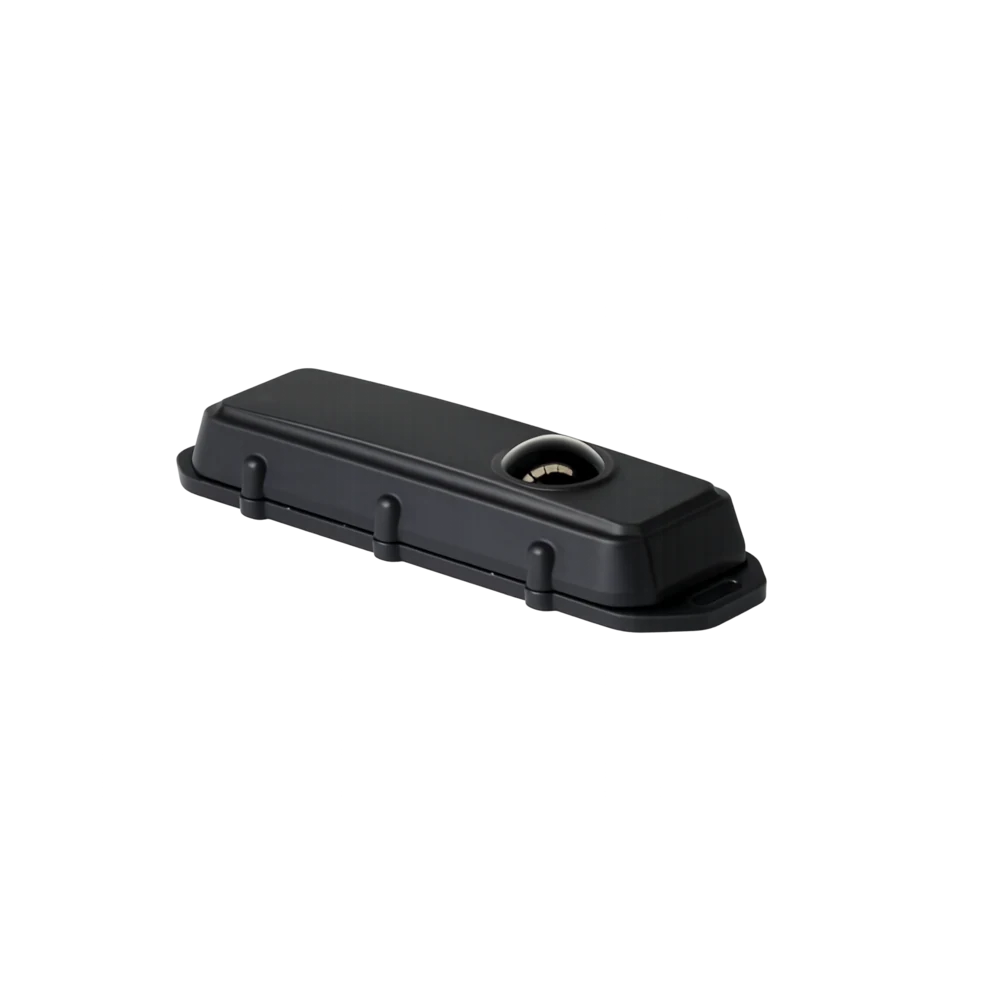
BARRA-RADAR-BLE · Wireless trackers
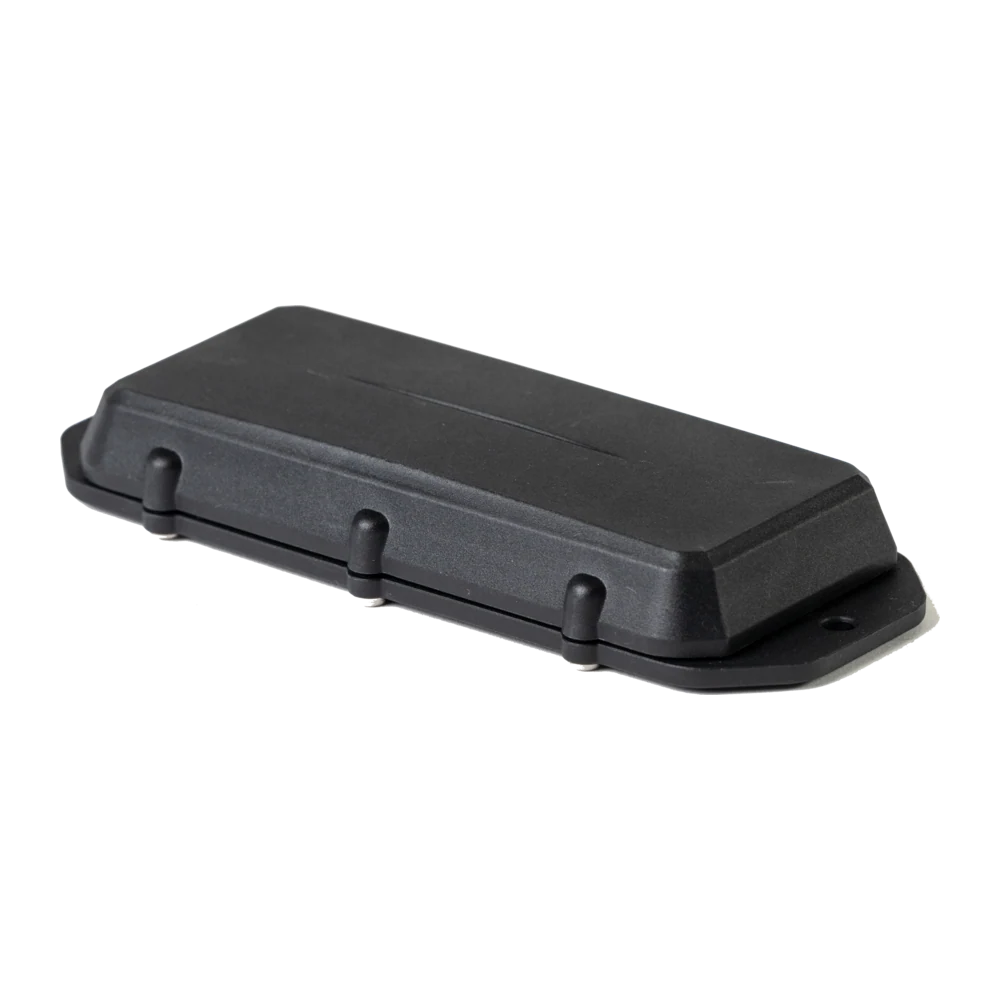
Barra Radar BLE
Object and Level Detection via Radar Bluetooth device in Barra form-factor (batteries not included)
IN STOCK · ZAR
HomeSolutionsWireless Asset TrackingWireless Trailer Tracking for Fleets
Operating layer · Solution
Battery powered GPS for tautliner, side tipper, flatbed, lowbed and reefer trailer fleets. Depot dwell, trailer-to-truck pairing, utilisation reporting.
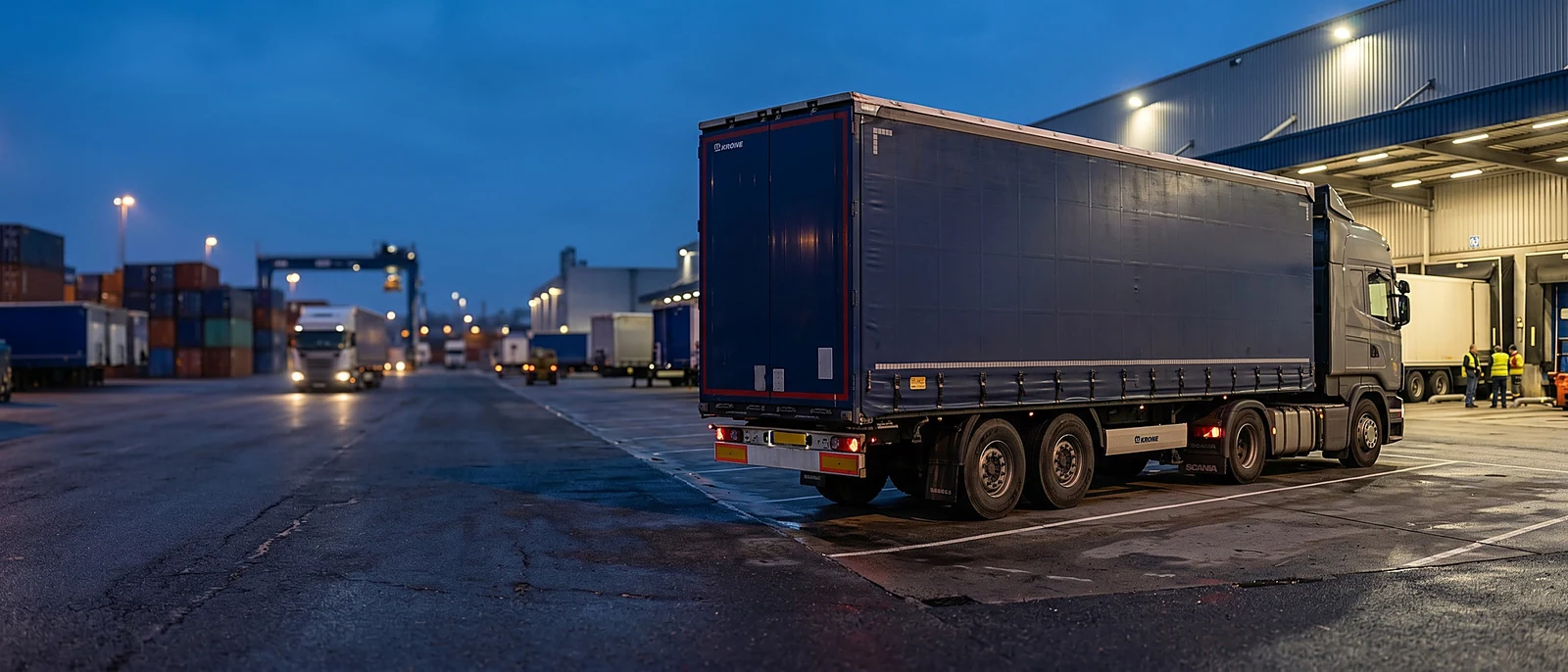
Tractor and trailer paired automatically, with dispatch seeing one moving unit across the corridor. A battery powered GPS device on every commercial trailer reports location, depot dwell and route activity to the same platform that already runs the truck telematics. The Monday morning planning meeting opens with the live picture: which trailers turned the most last week, which sit longer than the shift pattern allows, which pair stays coupled across the route and which has dropped at a customer site. The fleet director's 142-trailer register becomes a queryable view rather than a recollection.
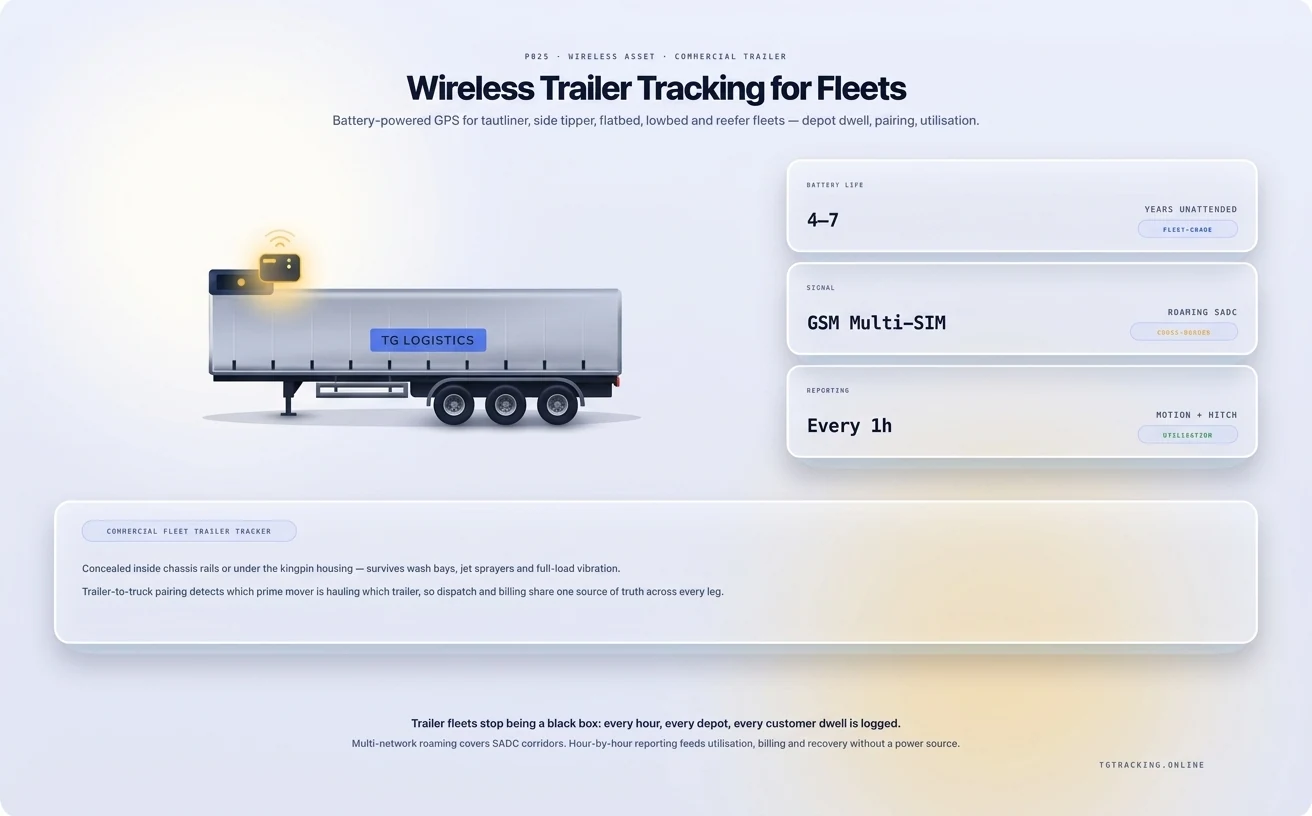
Wireless trailer tracking for fleets from TG Tracking puts a battery powered GPS device on every commercial trailer: tautliners, side tippers, flat decks, lowbeds, skeletals, reefers and bulk tankers. The platform delivers depot dwell time, trailer-to-truck pairing visibility, utilisation reporting and recovery when a unit disappears. Sits inside the broader wireless asset tracking product line, alongside Trailer Management and Fleet Tracking and Management.
For most South African transport operators, the trailer fleet is fundamentally a utilisation question. Buying a 23rd trailer when the 17th, 19th and 20th already sit 60 percent of the time is the wrong call, and tracking puts the data on the table for the right one: which trailers turned the most last month, which sat more than seven days, which sub-contractor's yard is the dwell-time outlier, which corridor produces the best and worst trailer-to-truck ratios. Recovery is covered alongside, on the same dataset, so when a unit does disappear the platform is already in hand.
Every trailer carries a cost per day: depreciation, finance, insurance, registration, the depot footprint it occupies. The platform shows idle days per trailer, per depot and per route against the configured shift pattern.
A trailer-to-truck ratio above 1.5:1 means the truck fleet is not keeping pace; below 1.2:1 the trailer fleet is the bottleneck. The platform shows the live ratio per route.
A trailer that sits at a depot for 38 hours between drop-off and next pickup is too long; 90 minutes is on the floor. Dwell-time reporting per depot and per trailer category surfaces the pattern. A trailer parked at a customer site beyond the contracted unloading window generates demurrage or SLA breaches; geofence-based dwell-time alerts surface the risk before charges accumulate.
The Beitbridge, Komatipoort and Lebombo corridors carry the bulk of South Africa's road-based cross-border freight. Border-crossing alerts and corridor-level reporting are configured by default; the cellular SIMs roam onto SADC networks where roaming is configured.
Knowing where a trailer is is half the picture. Knowing which truck it is paired with is the other half. The platform pairs the trailer's wireless tracker with the truck's Fleet Tracking and Management device based on co-location and movement correlation. The dispatch view shows trailer and truck as one unit while coupled, and as separate assets the moment the trailer is dropped. A trailer "in transit" but actually parked while the truck has moved on is a different problem; the platform tells the difference automatically.
Tautliners and curtain-siders are the dominant general-cargo trailer in South African logistics; the device is fitted inside a chassis rail. Side tippers, lowbeds and flat decks are bulk and abnormal-load trailers used in mining, construction supply and earthmoving; the hardware tolerates haul-road vibration. Skeletals, step-decks and container chassis pair with Wireless Container Tracking for the chassis-and-container view. Reefer trailers for location tracking; temperature monitoring is a separate product, see Temperature and Cold Chain Monitoring. Tankers, bulk grain and cement use the same family with hazardous-goods configuration and discharge-point geofencing.
The South African road-freight industry is shaped by long-haul corridors between inland production zones and the four major coastal ports. Durban-Joburg, Cape Town-Joburg and Richards Bay-Joburg account for the bulk of national tonnage; cross-border to Lusaka, Lubumbashi, Harare and Maputo accounts for the regional tonnage. Trailer fleets spread across multiple depots, sub-contractors and country-pairs, and the visibility problem grows with the spread. Multi-network connectivity catches the gaps. For mining-haul fleets, see Mining IVMS for the in-vehicle side and pair with this product for the trailer side.
Months to years depending on report frequency. A high-rotation tautliner reports more often than a seasonal grain trailer.
Bolted, riveted or magnetically mounted inside a chassis rail, behind a panel or in a sealed compartment. Installation is fast and does not require workshop downtime.
Yes. The platform correlates trailer data with truck Fleet Tracking and Management data based on co-location and movement.
Trailer Management is the broader workflow including door sensors, reefer probes, customer-site SLAs and full fleet reporting. Wireless commercial trailer tracking is the device and connectivity layer that feeds it.
Yes. Border-crossing alerts and SADC roaming are configured by default. Confirm corridor coverage before deployment.
Yes. The hardware is rated for vibration, dust and impact of mining haul roads, gravel-road agricultural use and long-distance corridor traffic.
The platform records from activation. Meaningful patterns surface inside two to four weeks of normal operation.
Utilisation improvement compounds across a commercial trailer fleet. Tracking is the layer that makes the headroom visible at the depot, on the corridor and in the monthly fleet review.
Self-powered trackers with multi-year battery life for trailers, containers, equipment and high-value assets.
Object and Level Detection via Radar Bluetooth device in Barra form-factor (batteries not included)
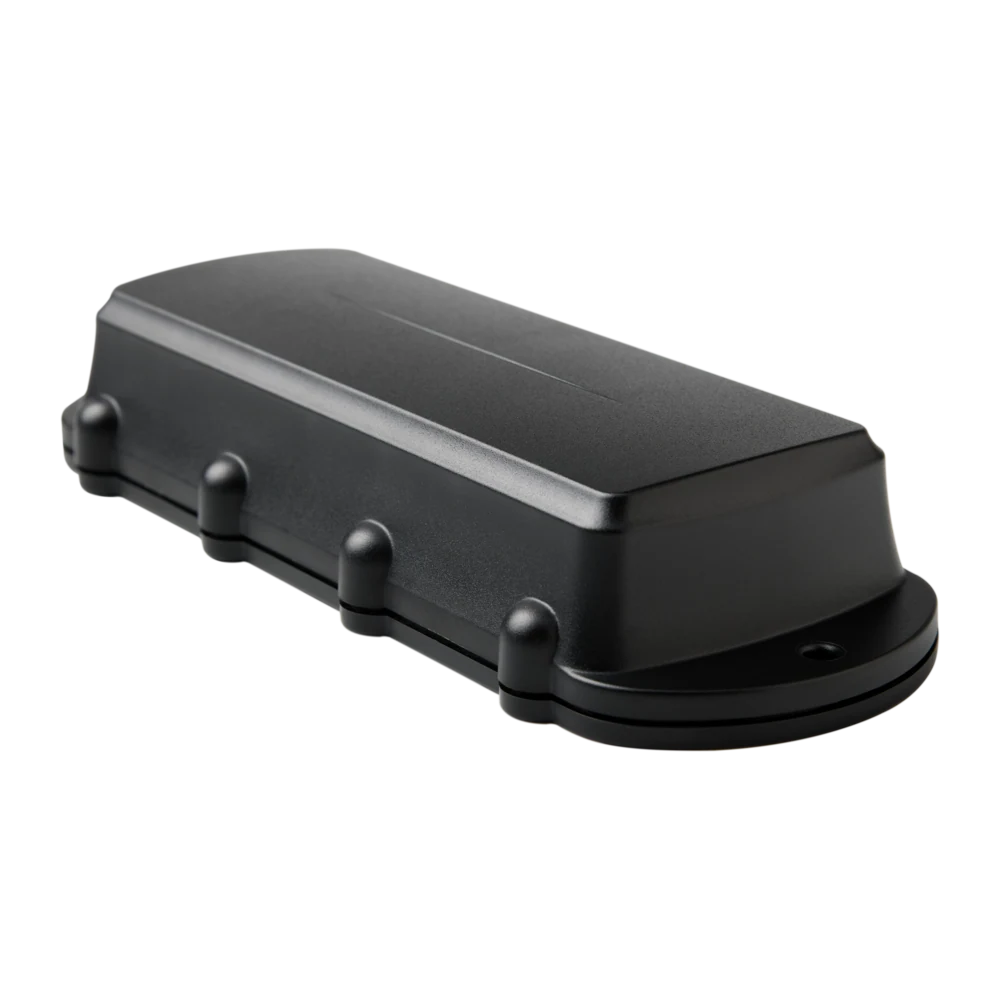
Remora3 Global GPS tracker on 4G Cat1bis with 2G fallback, Bluetooth 5.2 gateway
Remora3 GPS tracker on 4G LTE-M / NB-IoT with Bluetooth 5.2, massive battery life
Manta form-factor GPS-only tracker on 4G LTE-M / NB-IoT
Tell us what you run, where you run it and the risk profile. We'll match the hardware, platform and rollout plan to your operation.