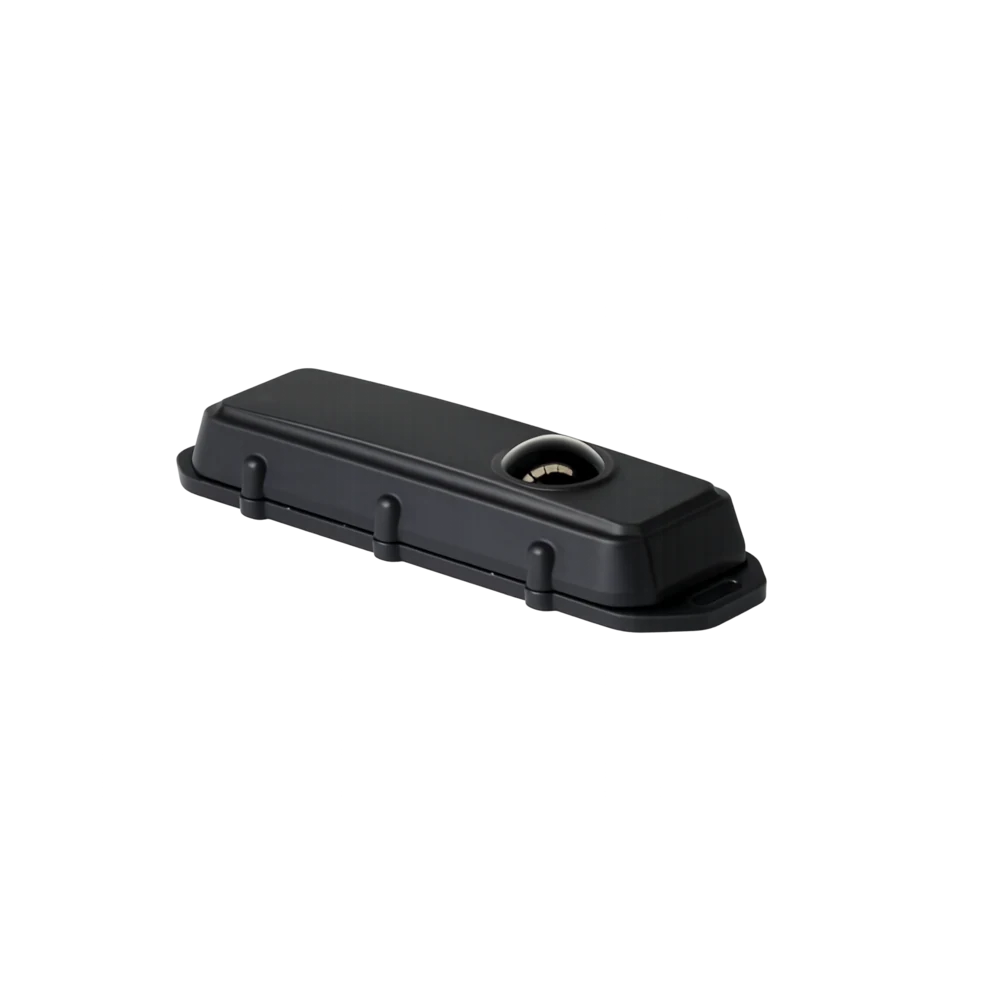
BARRA-RADAR-BLE · Wireless trackers
Barra Radar BLE
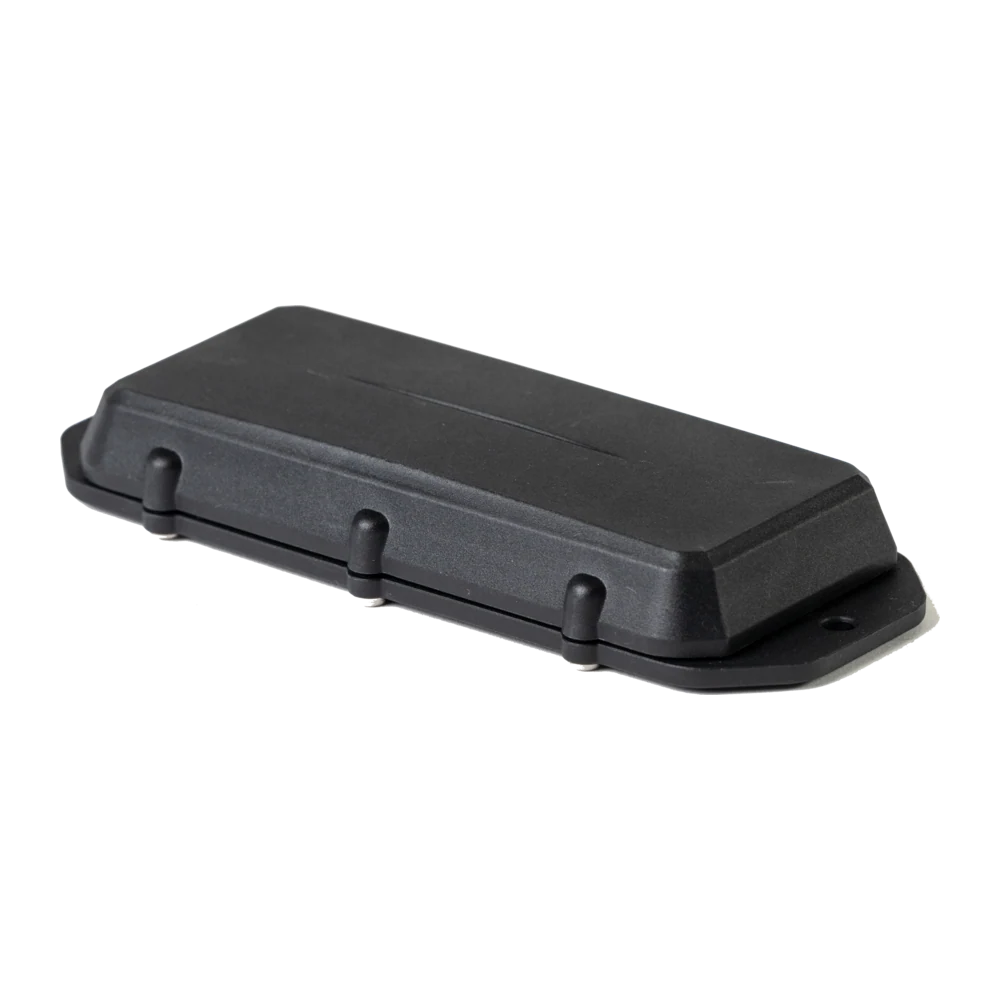
Object and Level Detection via Radar Bluetooth device in Barra form-factor (batteries not included)
IN STOCK · ZAR
HomeSolutionsWireless Asset TrackingWireless Hire Trailer Tracking
Operating layer · Solution
Battery powered tracking for rental trailer fleets. Customer abuse alerts, undeclared mileage, late return chase, cross border breach, fast recovery.
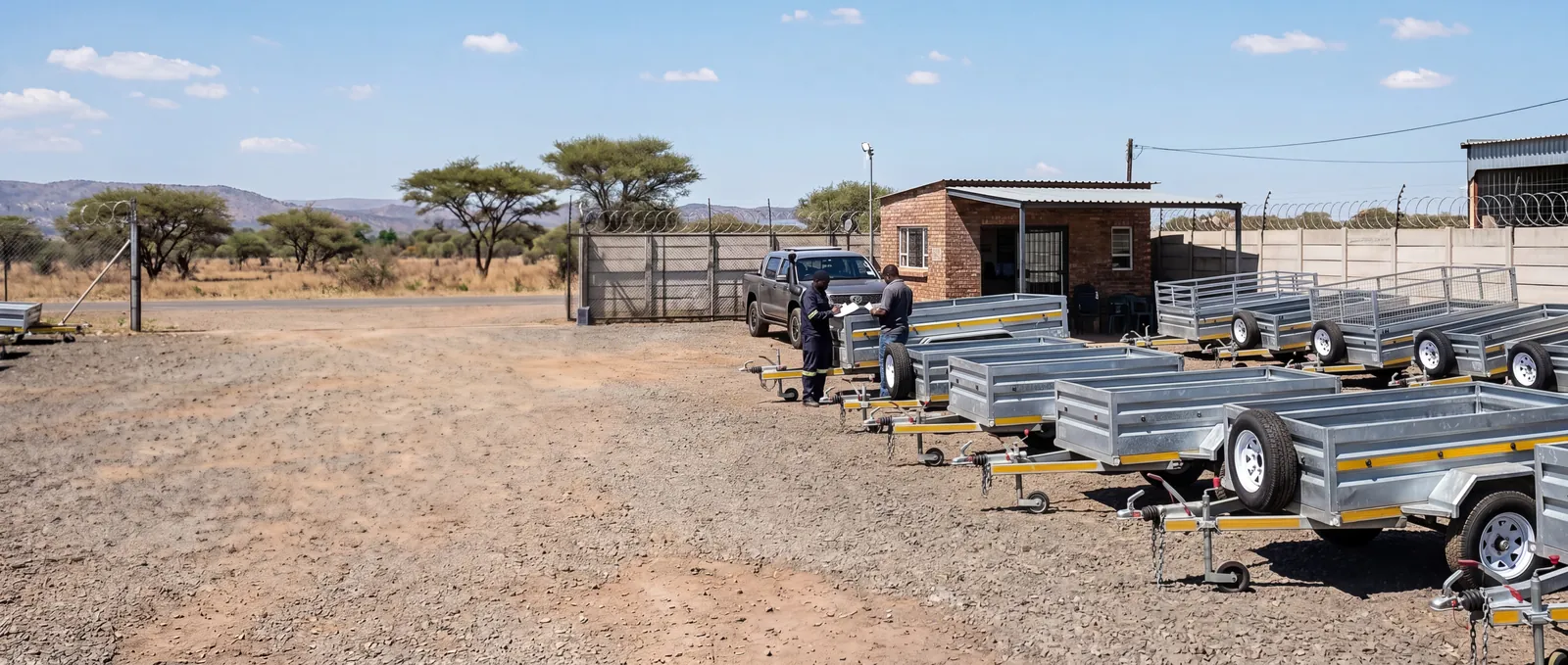
Every hire, every kilometre and every return billed accurately on the same platform. A battery powered GPS device concealed inside each rental trailer reports the route, the dwell, the impact profile and the return time to the depot, so the hire desk closes each contract against the actual record. A 60-trailer hire fleet runs against a queryable booked-versus-actual view, and the monthly P&L line reflects what the trailers really did, not what the contracts hoped they did.
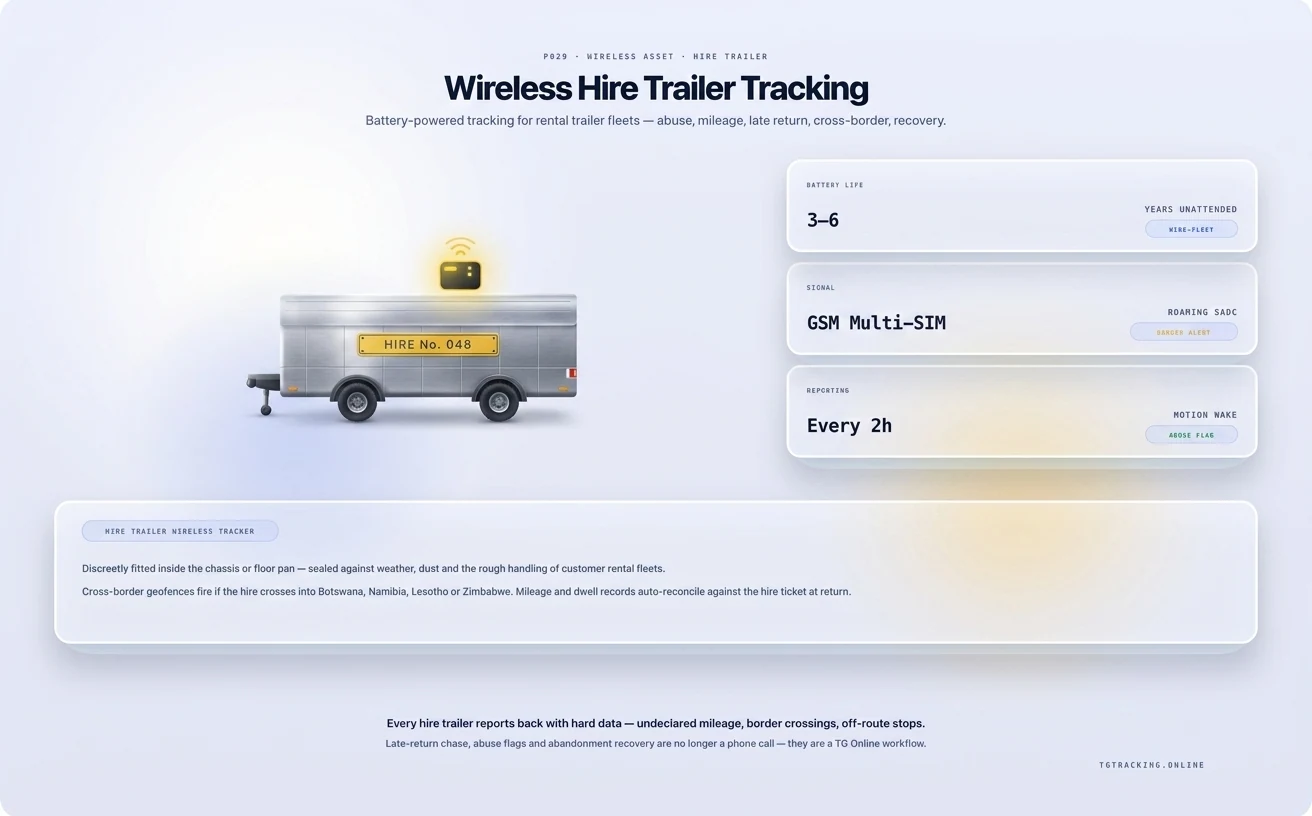
Wireless hire trailer tracking from TG Tracking puts a battery powered GPS device inside the chassis of every rental trailer so the depot sees where each unit goes during a hire, how long it stays out, and whether the customer used it inside the booked terms. It runs on the same platform as Trailer Management and Asset Tracking and Recovery, inside the wider Wireless asset tracking family, with a hire-specific alert profile.
The everyday return on the platform is the kilometre and the day matched to the record. A trailer booked Cape Town to Worcester that travelled to Hermanus and Kleinmond as well is three customer trips, and tracking turns the extra two into invoiced lines rather than absorbed cost. A booked weekend that came back on Tuesday is two additional rental days for the depot manager to close out cleanly. Recovery is covered alongside on the same dataset.
The tracker's accelerometer logs sustained impact, abnormal handling and rough-road behaviour against the contract that was on hire at the time. The workshop sees a per-contract record of what the trailer carried and how it was used, which keeps the next customer signing out a unit whose service-life is understood. When a deposit conversation does happen, the depot manager works from evidence rather than memory.
The geofence-breach alert fires the moment a trailer crosses the configured operating boundary, whether that is the agreed province or the national border. South Africa's after-hours window between depot close and depot open carries roughly twelve hours of road time toward Beit Bridge, Komatipoort, Lebombo or Skilpadshek, and the alert reaches the depot manager and the control room in time to act inside that window.
A hire fleet's hardest manual job is the chase: phoning a customer at hour 26 to ask where the trailer is, again at hour 38, and at hour 50 with a recovery threat. The platform replaces the chase with a workflow. At a configurable threshold past return time, the system pulls the trailer's live position, sends an automated SMS to the customer with the actual location, escalates to the depot manager and starts a billable late-return clock. The depot manager phones once with a fact, not a question. Most overdue trailers come back inside the next operating day.
South African trailer hire runs across an unusually wide use case mix . The same depot rents a luggage trailer to a family moving from Edenvale to Garsfontein, a flatbed to a contractor moving steel between Vereeniging and Sasolburg, a tipper to a builder, a boat trailer to a fisherman heading to Theewaterskloof and a small cargo trailer to a courier startup. Each hire profile has a different abuse, distance and return-risk pattern. For trailer-mounted assets that combine theft and contents value, see Wireless fuel bowser tracking.
Concealed inside a chassis cavity, sealed against weather and impact, and unlabelled. The recovery and billing-reconciliation case depends on the device being one a customer cannot find casually.
The accelerometer flags sustained impact, abnormal handling and rough-road behaviour above the normal envelope. The damage report is timestamped, so a workshop claim can be tied to a specific contract.
Configurable. The default profile pings the trailer's location at the booked return time, sends a courtesy SMS at a late threshold, escalates to the depot manager at a second threshold, and engages the recovery workflow if the trailer crosses a hard line.
The API and webhooks push trailer location, status and event data into common rental-management software. Each hire ties to a contract record so booked-versus-actual reconciliation is automated.
The platform tracks the trailer, not the customer. Hire industry practice in South Africa accepts asset tracking on rental units, and the rental contract typically references the device. Confirm the wording with your rental contract template before deployment.
Months to years depending on rotation. The platform supports multi-site hierarchies and per-depot reporting on one account.
A hire fleet's monthly P&L sits on the line between booked and actual. Tracking puts that line on the dashboard from the moment the trailer leaves the gate, and the contract closes against the same record at return.
Self-powered trackers with multi-year battery life for trailers, containers, equipment and high-value assets.
Object and Level Detection via Radar Bluetooth device in Barra form-factor (batteries not included)
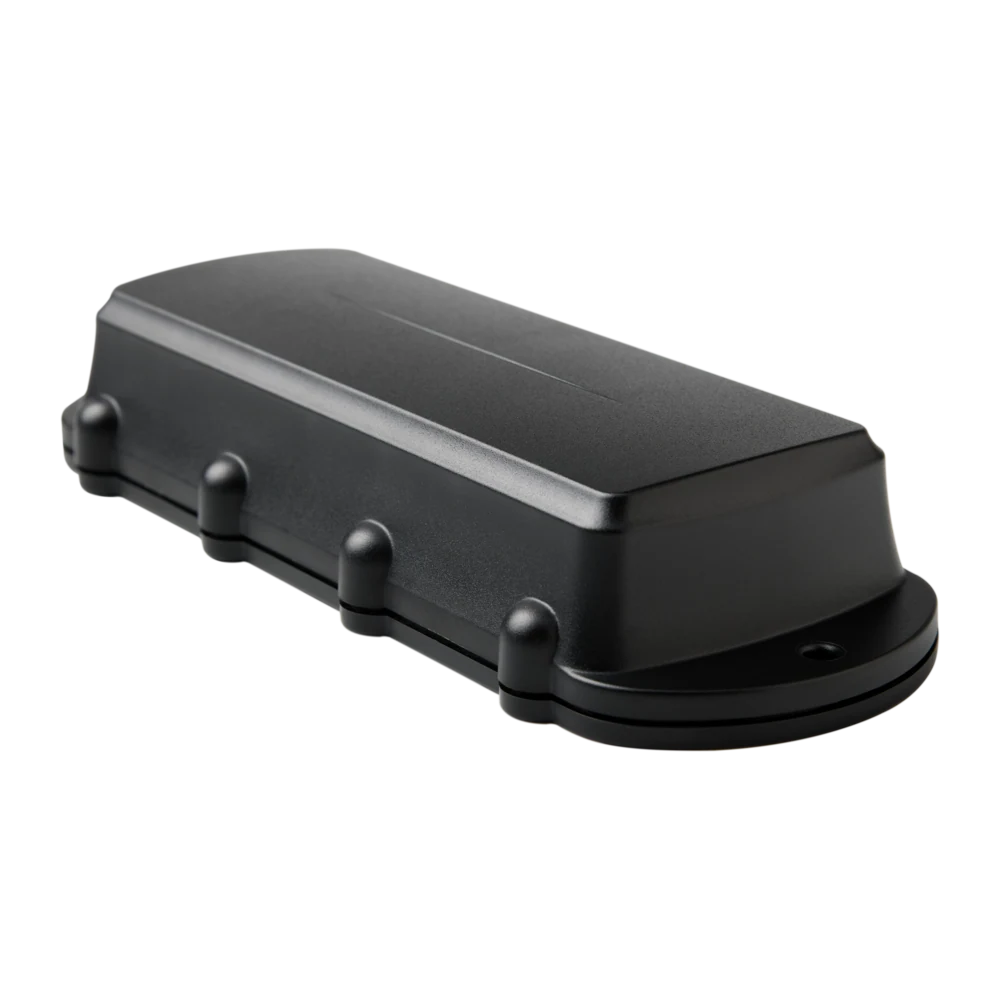
Remora3 Global GPS tracker on 4G Cat1bis with 2G fallback, Bluetooth 5.2 gateway
Remora3 GPS tracker on 4G LTE-M / NB-IoT with Bluetooth 5.2, massive battery life
Manta form-factor GPS-only tracker on 4G LTE-M / NB-IoT
Tell us what you run, where you run it and the risk profile. We'll match the hardware, platform and rollout plan to your operation.