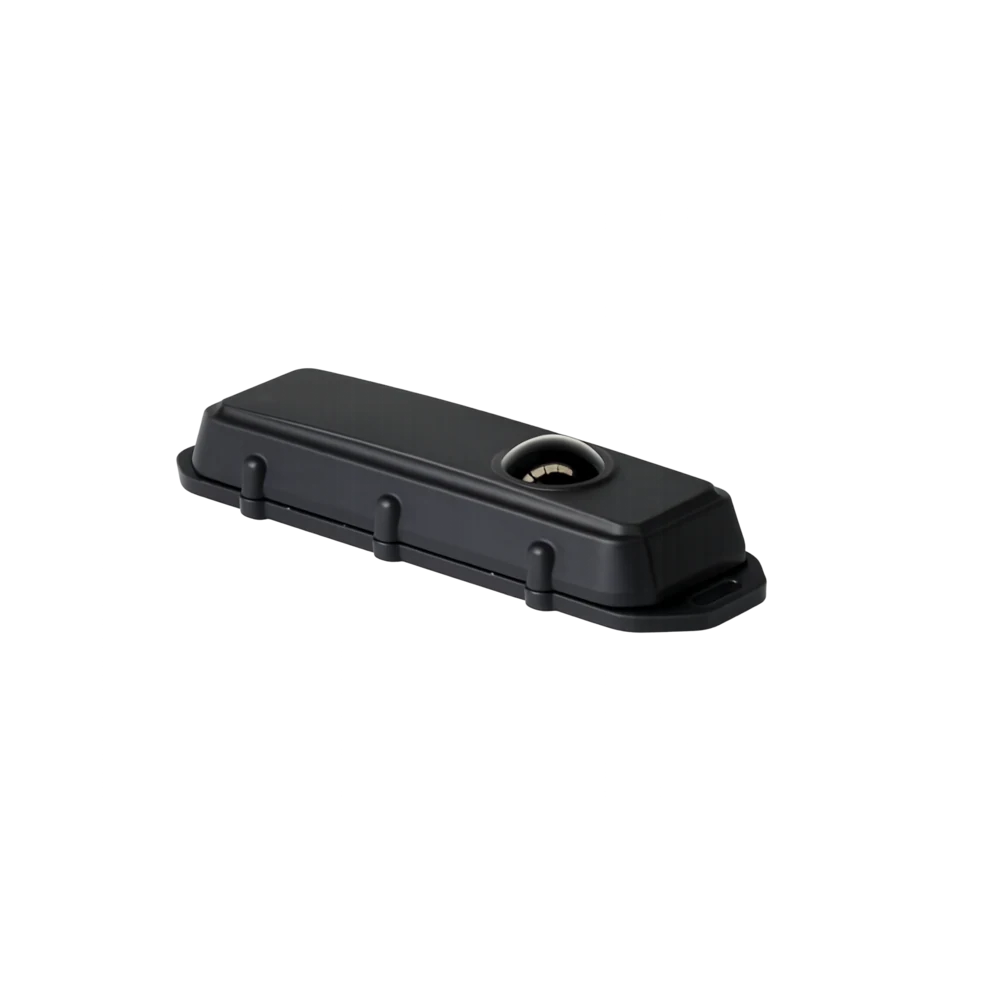
BARRA-RADAR-BLE · Wireless trackers
Barra Radar BLE
Object and Level Detection via Radar Bluetooth device in Barra form-factor (batteries not included)
IN STOCK · ZAR
HomeSolutionsWireless Asset TrackingWireless Container Tracking
Operating layer · Solution
Battery powered GPS for shipping, storage and on-site containers across South African yards, ports and depots. Yard-density geofencing, chain-of-custody audit.

A container yard becomes a queryable dashboard. Every shipping container, on-site cabin and storage unit reports its current row, stack and bay through a battery powered GPS device fitted inside the corner casting or roof cavity. The yard foreman, the logistics manager and the new client looking for row 7, slot 4 all read the same answer from the same record. The 1 hectare yard with 800 units and 40 rows turns from a walk into a search query.
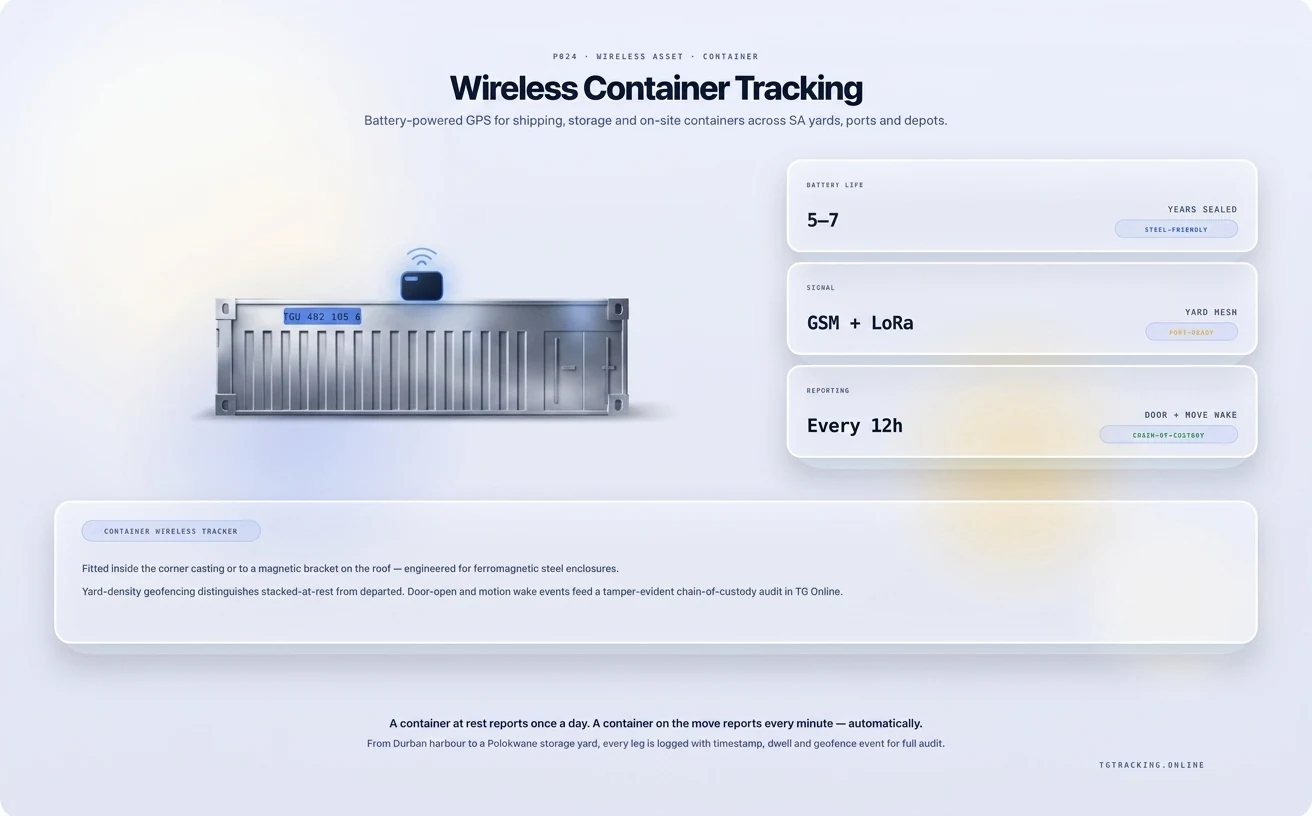
Wireless container tracking from TG Tracking puts a battery powered GPS device inside or on a shipping container, storage container, on-site office container or modular cabin. It survives the seal of being closed and stacked under other containers, reports through a multi-network cellular SIM whenever it can see the sky, and feeds yard-density geofencing and chain-of-custody auditing into TG Online. Sits inside the broader wireless asset tracking product line, alongside Asset Tracking and Recovery for the recovery workflow and Trailer Management for the trailer that moves the container.
Containers are stackable, swappable units that live three or four high in dense layouts, with arrivals, departures and restacks every shift. The product is built around that reality. A suburb-sized geofence is not the right shape, so the platform uses sub-yard zones: per-row, per-stack, per-loading-bay, per-gate. The question shifts from "where is this container in the country" to "which slot in which row is this container in right now", and the dashboard answers it directly.
A yard layout is loaded into the platform once. Each row, stack, loading bay and gate gets its own zone. When a container is craned from row 7 to row 12, the platform logs the move with a timestamp. When a container leaves the yard via Gate 2 instead of Gate 1, the platform logs the gate. Yard supervisors stop walking and start querying.
For containers carrying cargo with a chain-of-custody requirement, the platform records every movement from origin to destination: gate-in at the port, stack location, gate-out, road segment, gate-in at the customer yard, drop-off bay. The audit trail is automatic, which removes the most common dispute on cargo claims.
Containers stacked under other containers do not get a GPS lock. The device queues alerts and reports the moment the container is moved to sky view. Cross-border container movement is its own loss category; border-crossing alerts fire on the approach to a border post, with the cellular SIM roaming onto receiving-country networks where roaming is configured.
Shipping containers in 20-foot, 40-foot and high-cube units moving between ports, yards and customer sites; the device fits inside the corner casting or in the roof cavity. Storage containers and on-site offices including ablution units, change rooms and cabins parked on construction sites. Modular cabins and disaster-relief storage for mobile clinics, emergency-response units and modular accommodation. Reefer container chassis for location tracking; temperature monitoring is a separate product, see Temperature and Cold Chain Monitoring.
Yard search time returned to the operations team. A foreman who spends 30 minutes a day on container searches recovers about 110 hours a year. Tracking puts that time back on the productive side of the ledger. Demurrage and detention managed earlier. Geofence-based dwell-time alerts surface the bill-risk window before charges accumulate. Utilisation balanced across yards. The platform shows which units rotate and which sit, supporting fleet-rebalance decisions across yards. For the cross-fleet view across containers, vehicles, trailers and equipment, see Asset Tracking and Recovery.
Container density is highest at the four major ports: Durban, Cape Town, Port Elizabeth and Richards Bay. Inland freight terminals at City Deep, Pyramid and Cato Ridge handle the next tier. Light-industrial yards in Alrode, Isipingo, Bellville South, Wadeville and Brakpan handle the third. Cross-border movement to Mozambique, Zimbabwe, Botswana, Lesotho and Eswatini is continuous, with the Beitbridge and Komatipoort corridors handling the bulk of road-based container freight. Multi-network connectivity is essential because operator coverage at port-side yards and rural stretches is uneven.
GPS reception inside a sealed container is reduced or absent depending on stack position. The device queues alerts and reports the moment the container is moved to sky view.
Months to years depending on report cadence and activity pattern. A long-stored cabin reports rarely; a high-rotation logistics container reports often.
Inside the corner casting, in the roof cavity, on a sealed mount inside the body, or behind a panel on a modular unit.
Yes. Per-row, per-stack and per-bay geofences support dense layouts, and the dashboards are designed for fleet-scale container counts.
Border-crossing alerts are a default. The SIM roams onto receiving-country networks where roaming is configured.
Reefer location tracking is part of this product. Temperature monitoring is a separate sensor product; see Temperature and Cold Chain Monitoring.
Yes. The same account holds container trackers, trailer trackers and the truck telematics from Fleet Tracking and Management.
A container yard runs on the densest visibility surface an operations team owns. Tracking turns that surface into a shared dashboard the foreman, the logistics manager and the customer can all read at the same moment.
Self-powered trackers with multi-year battery life for trailers, containers, equipment and high-value assets.
Object and Level Detection via Radar Bluetooth device in Barra form-factor (batteries not included)
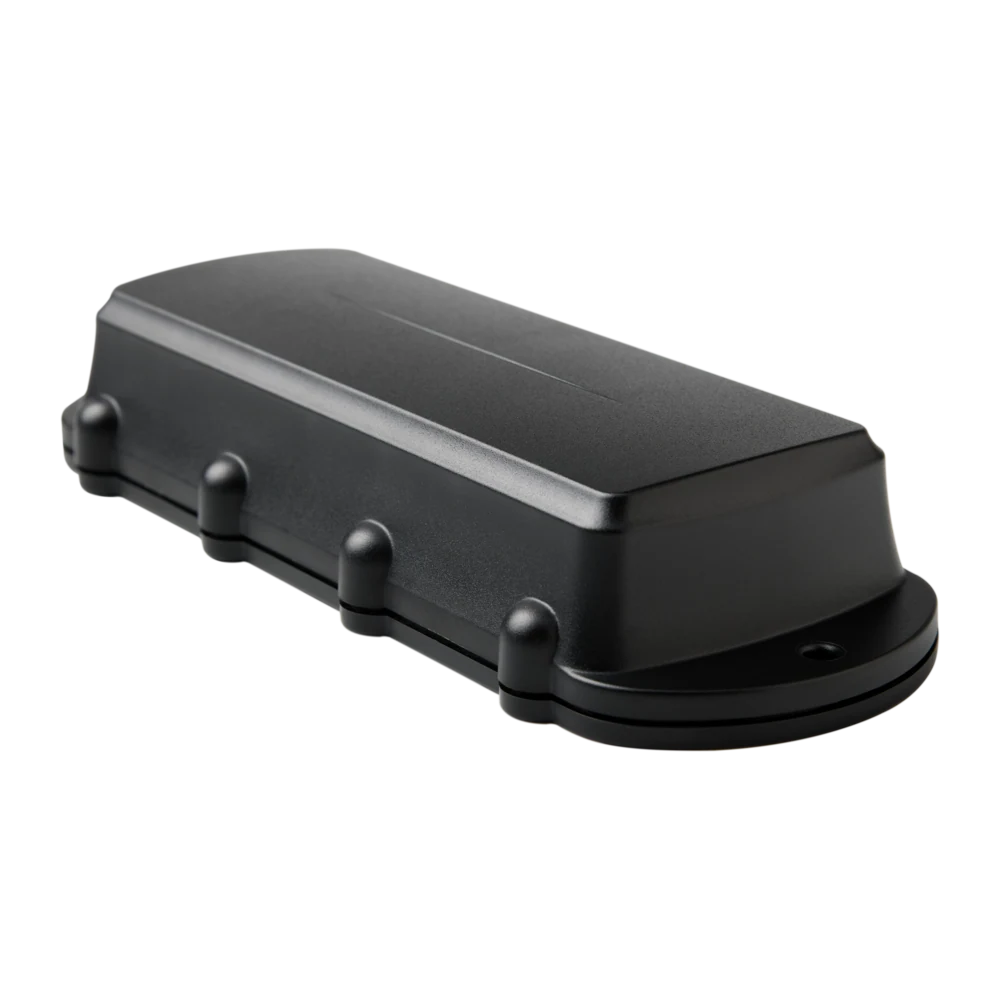
Remora3 Global GPS tracker on 4G Cat1bis with 2G fallback, Bluetooth 5.2 gateway
Remora3 GPS tracker on 4G LTE-M / NB-IoT with Bluetooth 5.2, massive battery life
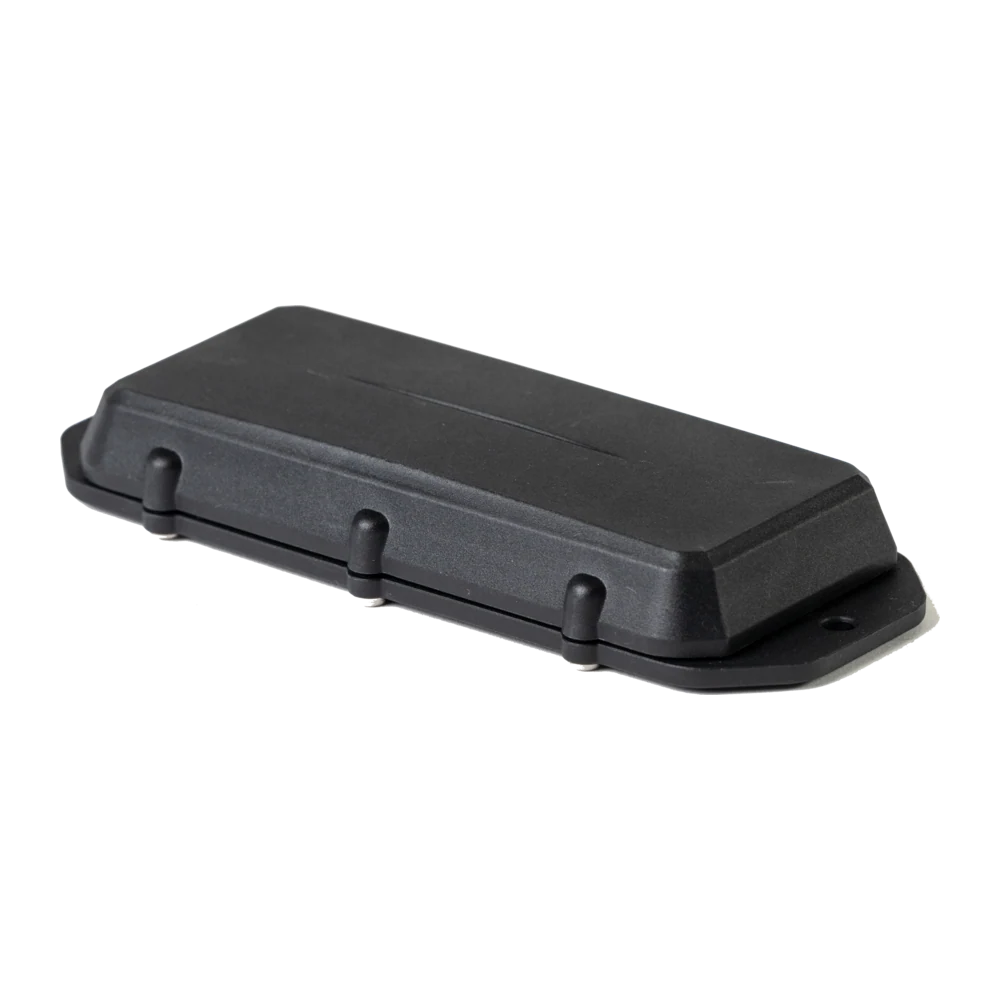
Manta form-factor GPS-only tracker on 4G LTE-M / NB-IoT
Tell us what you run, where you run it and the risk profile. We'll match the hardware, platform and rollout plan to your operation.