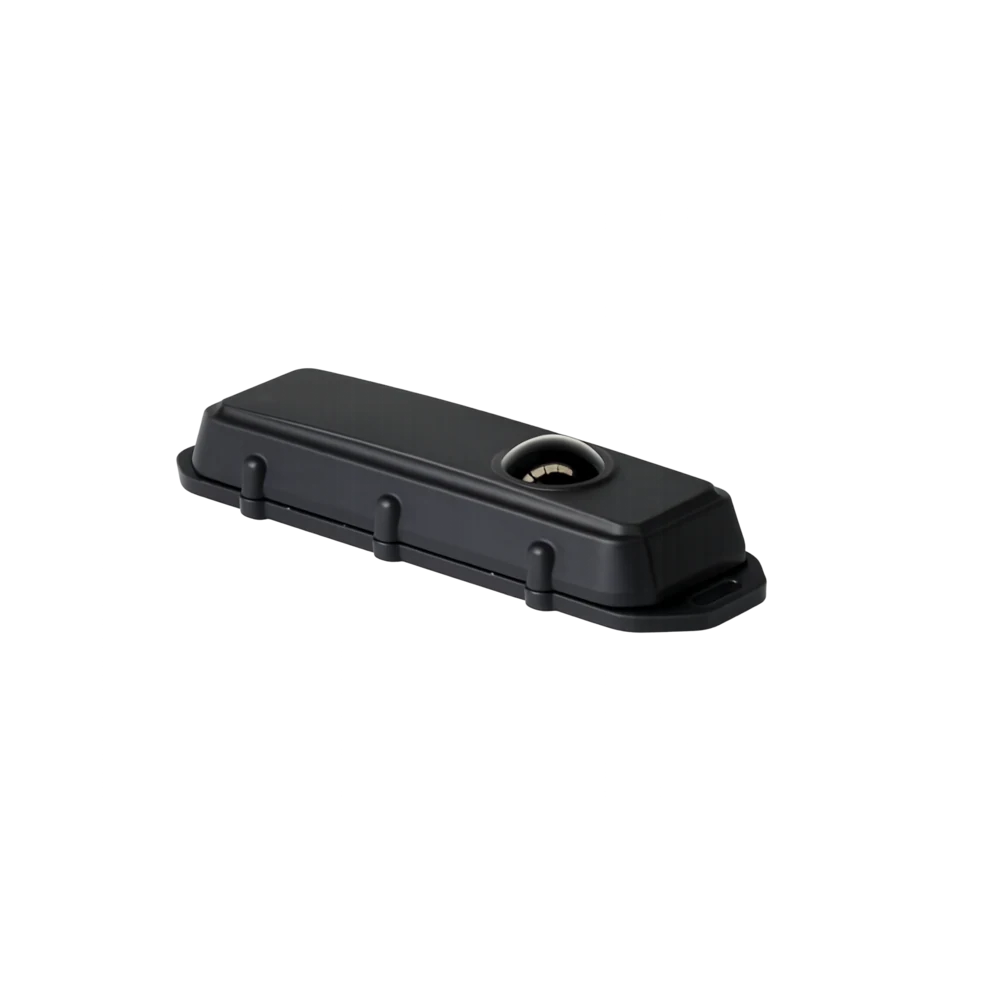
BARRA-RADAR-BLE · Wireless trackers
Barra Radar BLE
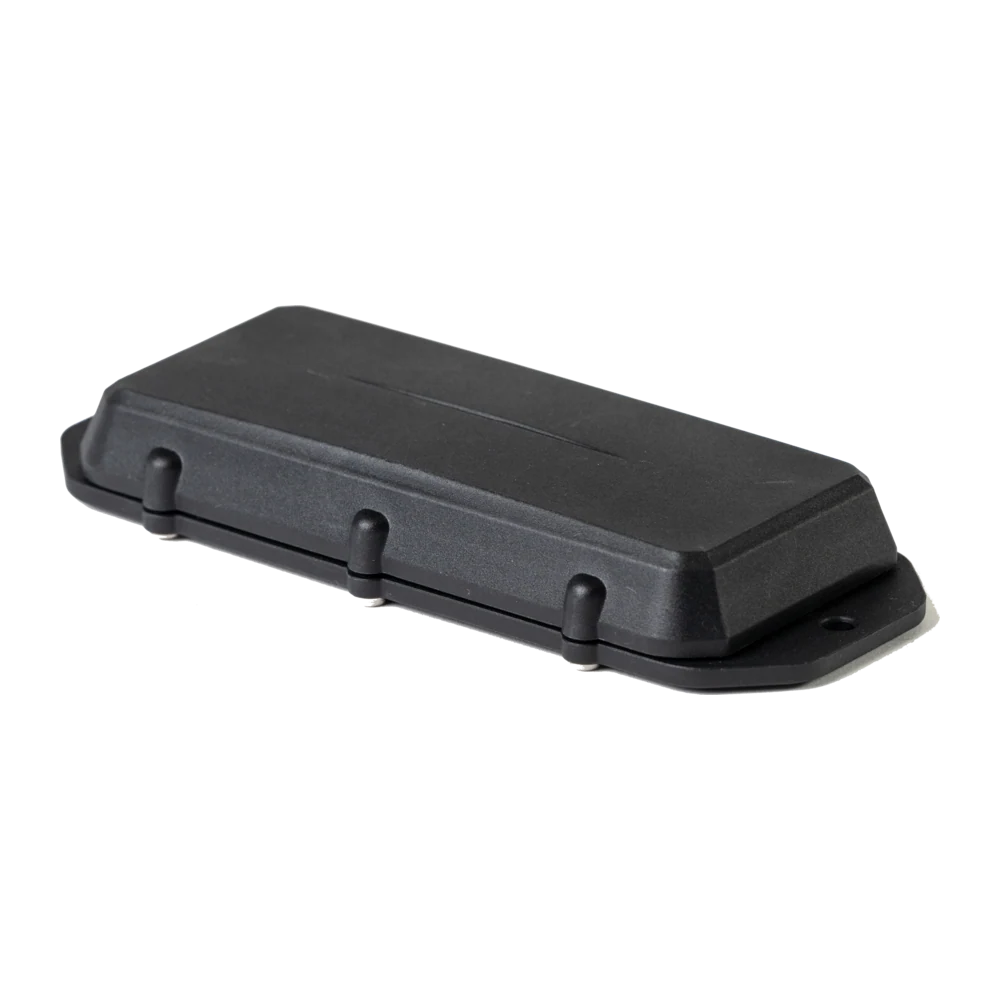
Object and Level Detection via Radar Bluetooth device in Barra form-factor (batteries not included)
IN STOCK · ZAR
HomeSolutionsWireless Asset TrackingWireless Boat Tracking
Operating layer · Solution
Waterproof battery powered GPS for ski boats, jet skis and outboard motors at South African marinas, dams and coastal storage. Sealed housing, multi-network.
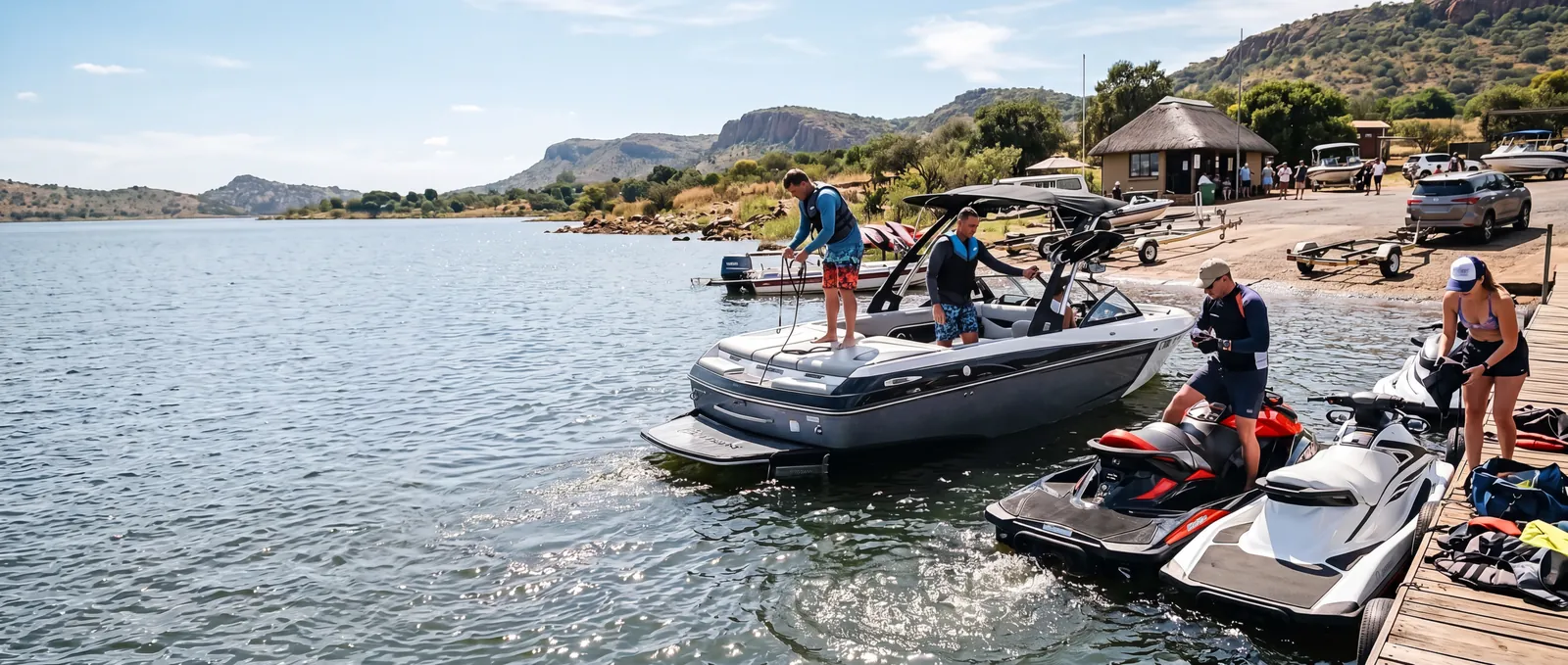
Your boat sits at the marina or in coastal storage for most of the year. A sealed wireless tracker fitted inside the hull keeps it on your phone every day, gives your insurer the recovery-ready record they ask for, and means the next conversation with the harbour master starts with a location. The tracker stays with the boat across water and tar, awake at the moments that matter.
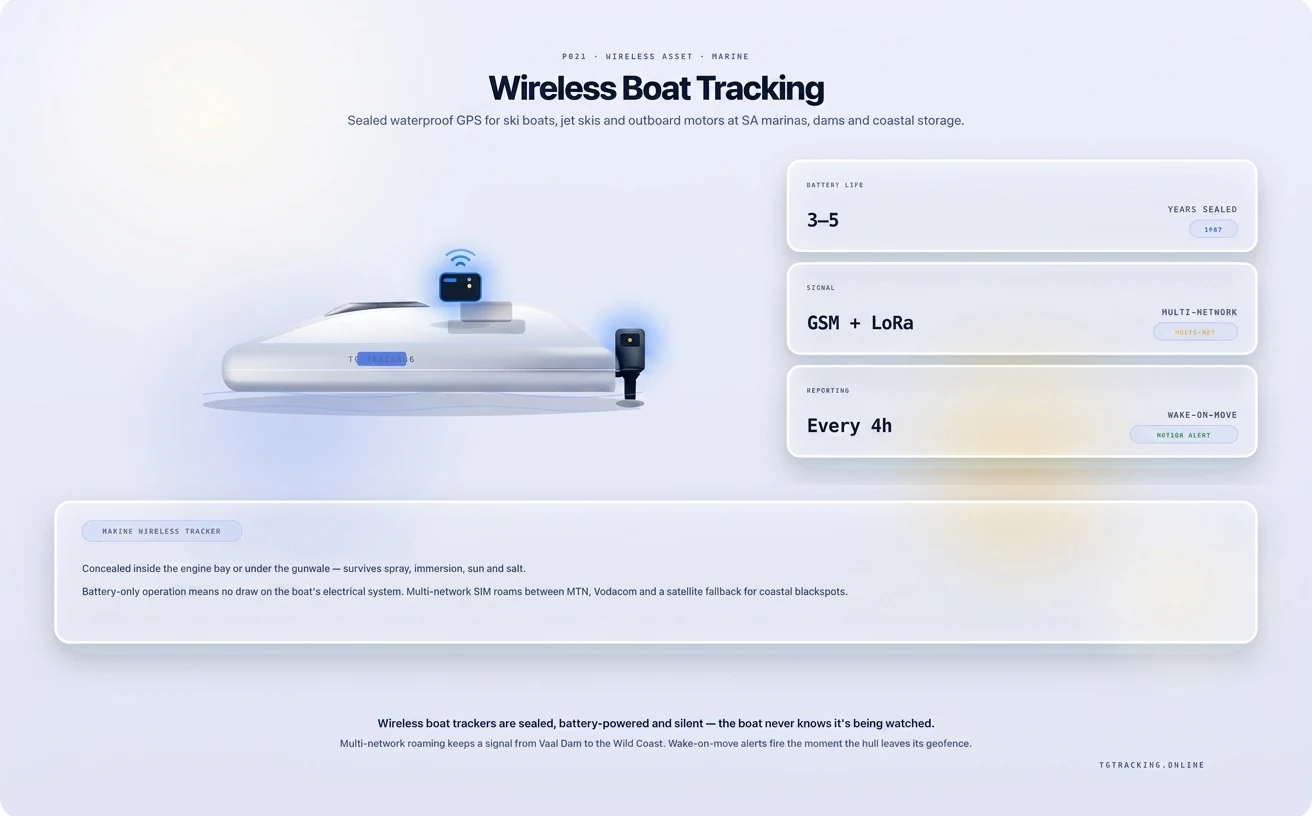
Wireless boat tracking from TG Tracking puts a sealed, fully waterproof, battery powered GPS device inside a ski boat, jet ski or outboard motor. It is fitted out of sight inside the engine bay, hull or motor cowl, runs for months to years on a single charge, and reports on motion, towing, tampering and geofence breach. One device covers fresh-water dams, coastal harbours and trailered transport for the boat between the water and home. Sits on the same account as your Asset, Hobby and Trailer Tracking for personal use or Asset Tracking and Recovery for charter and rental businesses, both inside the broader wireless asset tracking product line.
A boat moves between water and tar in a way no other personal asset does. The wireless tracker is built for both routes. On land it follows the trailer route: hooked off a property, towed onto a national road, often heading toward a coastal town in another province. On water it follows the slipway route: launched at a public ramp, motored across a bay or down a coastline, mooring up at a private slip. Same device, same alert feed, same recovery workflow.
Marine deployment is its own engineering problem. The marine device family is built for permanent exposure to salt-air and intermittent splash. A device fitted inside an outboard cowl, a sealed engine bay or under a console panel sees humidity, salt fog and temperature swings every weekend. The housing is rated for ingress protection and the connectors are sealed against corrosion.
The South African coastline has well-known cellular dead zones. Stretches of the Wild Coast, the Eastern Cape between Port St Johns and East London, the West Coast north of Saldanha and sections of the southern Cape coast between Witsand and Stilbaai are not consistently covered by any single operator. A device locked to one network goes silent on the wrong stretch of beach; multi-network connectivity finds whichever operator has signal.
Hull slap on chop, beach-launch impact, outboard vibration and the corrosive environment around the battery box are all part of the duty cycle. The device is mounted on rubber isolation rather than rigid bracketry on small craft.
Ski boats and bay boats at Vaal Marina, Hartbeespoort, Theewaterskloof, Midmar Dam and the coastal ski boat scene around Knysna, Mossel Bay and Richards Bay. The device sits inside the engine bay or under the console. Jet skis and personal watercraft are higher-portability, higher-theft-risk; the device fits inside the front storage compartment or under a hatch. Outboard motors are the highest-value, most-portable component on most ski boats and are frequently stolen separately from the hull; a small concealed device fitted inside the cowl tracks the motor independently. Marine equipment and trailers that carry the boat are their own theft target; see Wireless Trailer Tracking.
South African boats live at coastal harbours, inland dam clubs and seasonal storage along the Garden Route, the KwaZulu-Natal South Coast, the West Coast and the Wild Coast. The control room runs through the night, works with recovery partners along the coastlines and at the major inland dams, and uses a different operational chain for water and tar so each pattern stays answered. Outboard motors travel separately from the hulls they came off, and the platform tracks them as their own asset where a second device is fitted.
The marine device family is fully sealed and rated for permanent outdoor exposure including salt-air, splash and humidity. Specific IP ratings depend on the model.
Months to years depending on the boat use and report frequency. A weekend ski boat reports more often than a long-stored fishing skiff.
Yes. A second device fitted inside the outboard cowl tracks the motor as a separate asset. If only the motor is taken, the alerts and recovery workflow run independently of the hull.
Yes. Cellular coverage at major inland dams is generally good. Coastal coverage varies by stretch; multi-network connectivity is standard.
Most major South African marine insurers accept TG Tracking, and the platform issues the certificate. Confirm with your broker because the approved list varies.
The device keeps reporting. Movement on water triggers the same alert as movement on land, and the control room contacts the relevant recovery and coastal authorities.
Yes. The boat sits in storage at the holiday property, the device sleeps and reports occasionally, and the moment anything moves, the alert fires.
A boat is bought for time off, and time off is easier when you know where the boat is. A monthly tracker subscription costs less than a single weekend tank of two-stroke and keeps the boat on your phone when it is not in your hand.
Self-powered trackers with multi-year battery life for trailers, containers, equipment and high-value assets.
Object and Level Detection via Radar Bluetooth device in Barra form-factor (batteries not included)
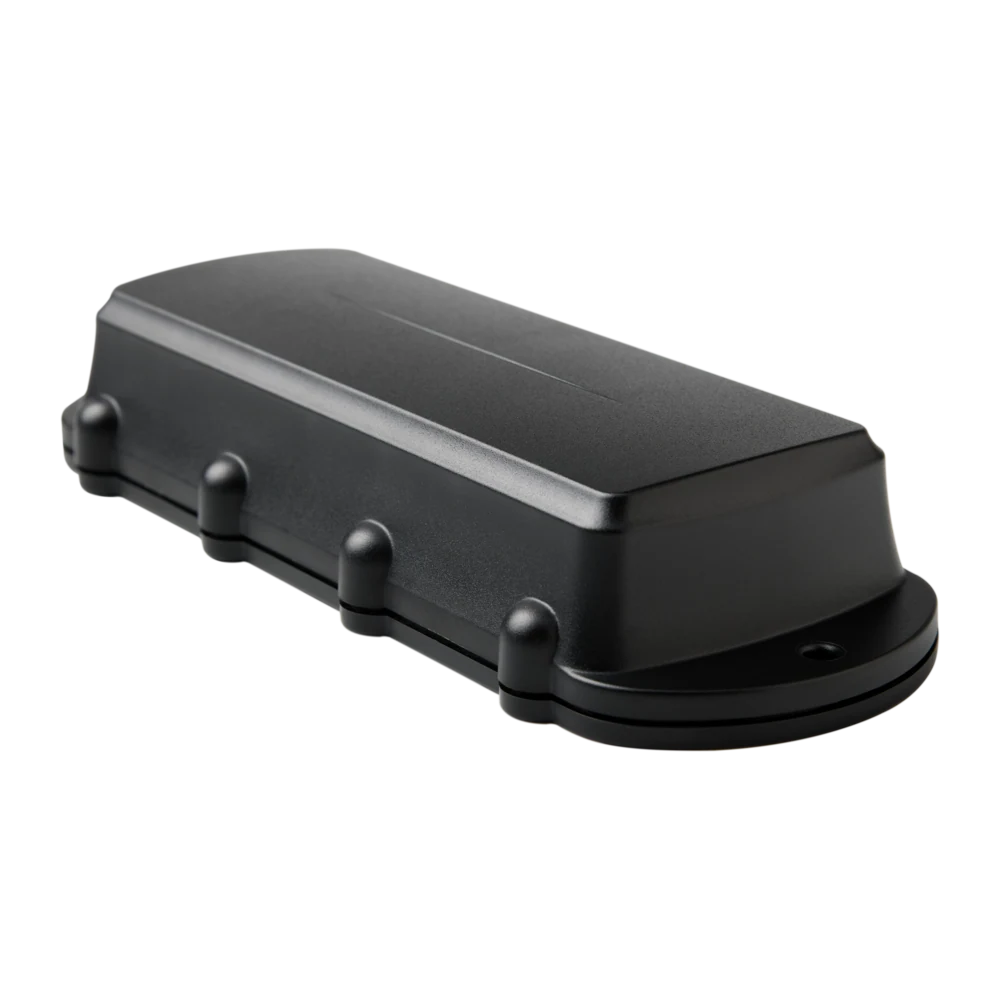
Remora3 Global GPS tracker on 4G Cat1bis with 2G fallback, Bluetooth 5.2 gateway
Remora3 GPS tracker on 4G LTE-M / NB-IoT with Bluetooth 5.2, massive battery life
Manta form-factor GPS-only tracker on 4G LTE-M / NB-IoT
Tell us what you run, where you run it and the risk profile. We'll match the hardware, platform and rollout plan to your operation.