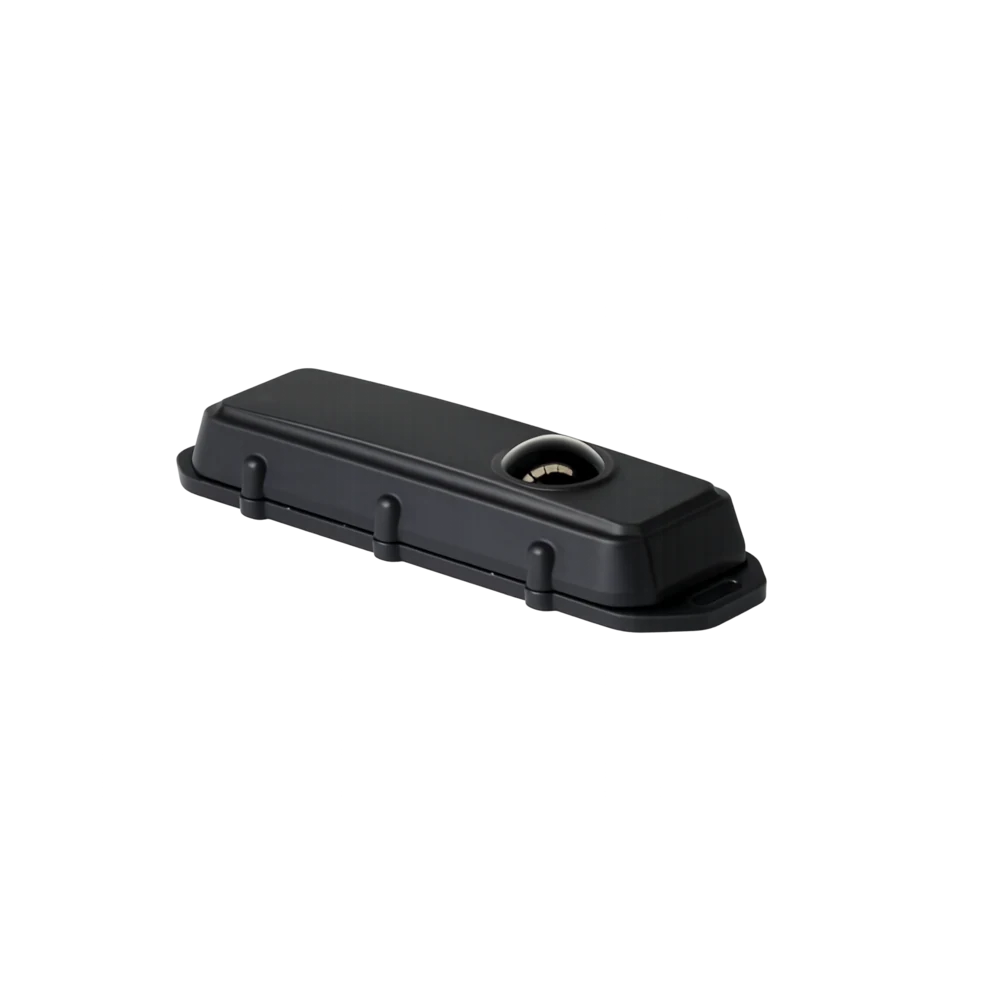
BARRA-RADAR-BLE · Wireless trackers
Barra Radar BLE
Object and Level Detection via Radar Bluetooth device in Barra form-factor (batteries not included)
IN STOCK · ZAR
HomeSolutionsOperations, Workflow & ProductivityFleet Expense Management and Reporting
Operating layer · Solution
Reconcile fuel, tolls, repairs and driver claims against trip data. SARS-eligible logbook splits and audit-ready expense records for South African fleets.

A pharmaceutical sales rep covers 1 240 business kilometres in March across the Western Cape, ending 17 customer calls between Cape Town, Stellenbosch and Paarl. End of month, payroll asks her for a SARS-eligible logbook with start address, end address, kilometres, date and reason for every trip . The old approach was a spreadsheet built from her diary on a Sunday afternoon, with rough estimates. The platform-led approach is a system-generated logbook with the actual GPS trip log, the category split between business and private, and supporting evidence one click away.
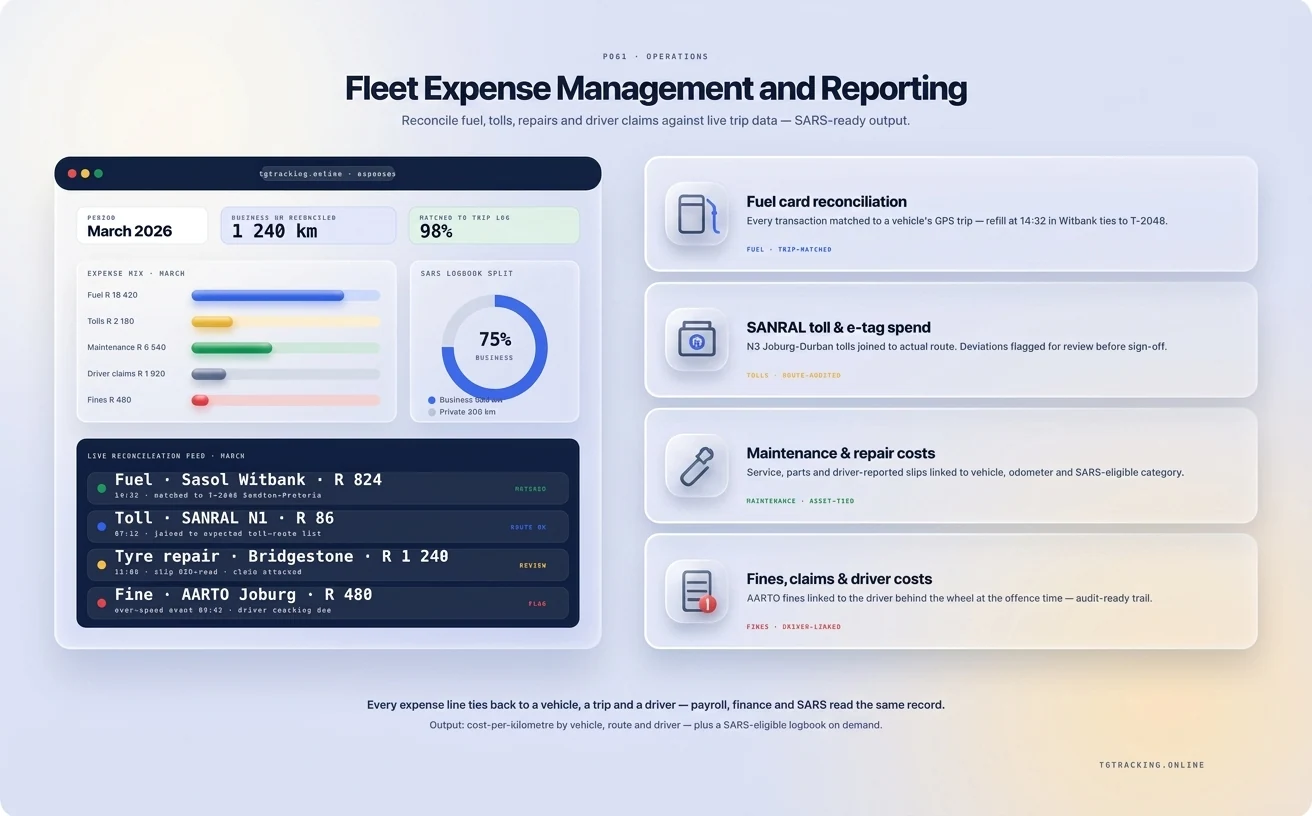
Fleet Expense Management and Reporting from TG Tracking reconciles fuel-card transactions, toll spend, driver claims, repair costs and trip-based costing against the live trip data of Fleet Tracking and Management. Output: real cost-per-kilometre by vehicle, route and driver, plus a SARS-eligible logbook . Cluster overview at Operations and Workflow.
Most fleet expense leaks live in the gap between what was spent and what is provable. The platform closes that gap by joining each spend line to a trip.
Fuel card transactions. Imported via API, file upload or supplier integration. Each transaction matches the vehicle's trip log: a refill at 14:32 in Witbank corresponds to a vehicle that was in Witbank at 14:32 .
Toll and e-tag costs. SANRAL e-tag and toll-route spend joined to the trip's actual route. A trip on the N3 between Joburg and Durban has an expected toll list; a deviation is flagged.
Driver expense claims. Tyre repair, puncture, subsistence, parking, ad-hoc fuel, customer entertainment. The driver photographs the slip, the platform OCR-reads the amount, the claim attaches to the trip.
Maintenance and repair. Workshop invoices fed from Maintenance Scheduling so cost-per-vehicle includes actual workshop spend.
Trip-based costing. Costs allocated to a customer, project or contract for line-item billing.
A travel-allowance claim depends on a SARS-eligible logbook. The platform generates one from the underlying trip data.
The rep's claim for March shows 47 trips, 1 240 business kilometres, 318 private kilometres, start and end addresses, the date, the time and the business reason for each trip . The split between business and private is set by the rep on the TG Mobile app at the time of the trip or by a default rule. The supporting trip history sits one click below each row.
A real cost-per-kilometre is built from real numbers, not a fuel-budget assumption divided by an estimated annual mileage.
The platform builds it bottom-up: actual fuel litres from Fuel Monitoring, actual toll spend, actual driver claims, actual maintenance cost, depreciation and finance charge. Per vehicle. Per route. Per driver. The 12% MoM run-cost increase has its decomposition by line. The driver running 14% more diesel per 100 km than peers shows up against the Driving Performance Monitoring score. Finance teams reconcile in hours rather than weeks.
Driver expense claims are a known leak point. The platform catches three patterns that paper systems miss.
Trip-claim mismatch. A claim for a fuel refill at 14:32 in Witbank, on a vehicle that was in Bloemfontein at 14:32, opens an exception.
Refill-volume mismatch. A 90-litre refill on a 70-litre tank opens an exception.
Repeat-supplier patterns. The same supplier appearing weekly with rising amounts opens a pattern alert.
For finance, the expense ledger feeds the monthly close. For auditors, the date-ranged export is the audit pack with photo, GPS, time and trip evidence per row. For SARS, the rep's logbook is the source of the travel-allowance claim. For insurance assessors, the maintenance history sits alongside the incident record . For the operations director, cost-per-kilometre by route is the input to customer-contract pricing.
A fleet expense system built for a fixed-price European fuel market is not built for the local price-per-litre swing, the rand-dollar effect on parts and the SARS-driven logbook discipline. The platform handles month-on-month fuel-price variance, e-tag and SANRAL toll variance, cross-border SADC fuel and toll records, and the SARS-eligible category split for travel allowances . Multi-depot fleets see costs by depot and region through Business Intelligence Dashboards.
Most South African fuel-card providers integrate via API, supplier feed or file upload. Specific integrations are scoped during onboarding.
The platform generates a logbook with the fields a SARS-eligible record requires. Acceptance is at SARS's discretion in any specific assessment.
Yes. The driver marks the trip on the TG Mobile app, or sets a default rule for the vehicle.
No. The API and webhooks push the data into your accounting, ERP or finance system.
A trip is allocated to a customer or project at booking or completion. The cost lines roll into Business Intelligence Dashboards.
Yes. The driver toggles trips between business and private, and the logbook reflects the toggle. Fringe-benefit treatment is at the employer's HR discretion.
Trip and expense records are retained for the configured period. The default supports the SARS five-year tax record window .
If your finance team closes fleet expenses out of WhatsApp images, paper slips and a month-end spreadsheet, the platform closes that gap. Book a demo and we will walk a real fleet's reconciliation.
Trackers and apps that turn the daily ops checklist into live, exception-driven workflow.
Object and Level Detection via Radar Bluetooth device in Barra form-factor (batteries not included)
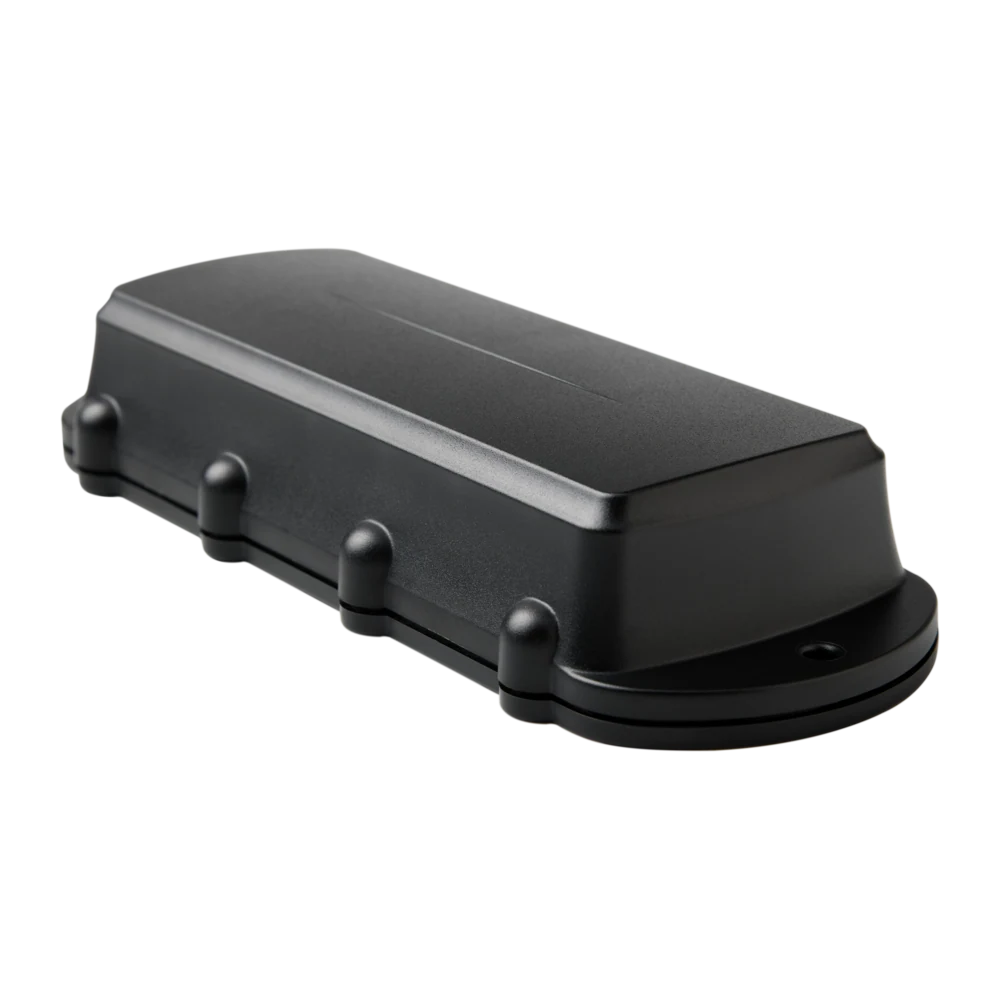
Remora3 Global GPS tracker on 4G Cat1bis with 2G fallback, Bluetooth 5.2 gateway
Remora3 GPS tracker on 4G LTE-M / NB-IoT with Bluetooth 5.2, massive battery life
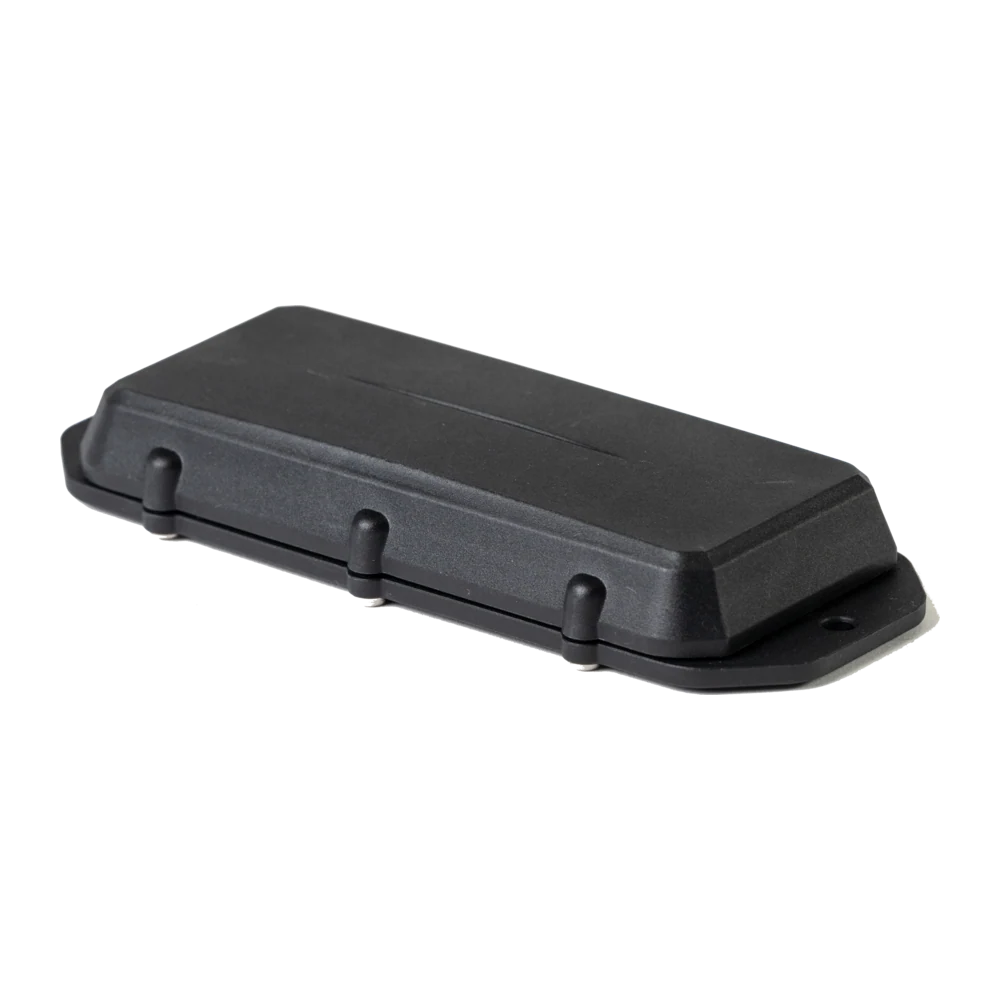
Manta form-factor GPS-only tracker on 4G LTE-M / NB-IoT
Tell us what you run, where you run it and the risk profile. We'll match the hardware, platform and rollout plan to your operation.