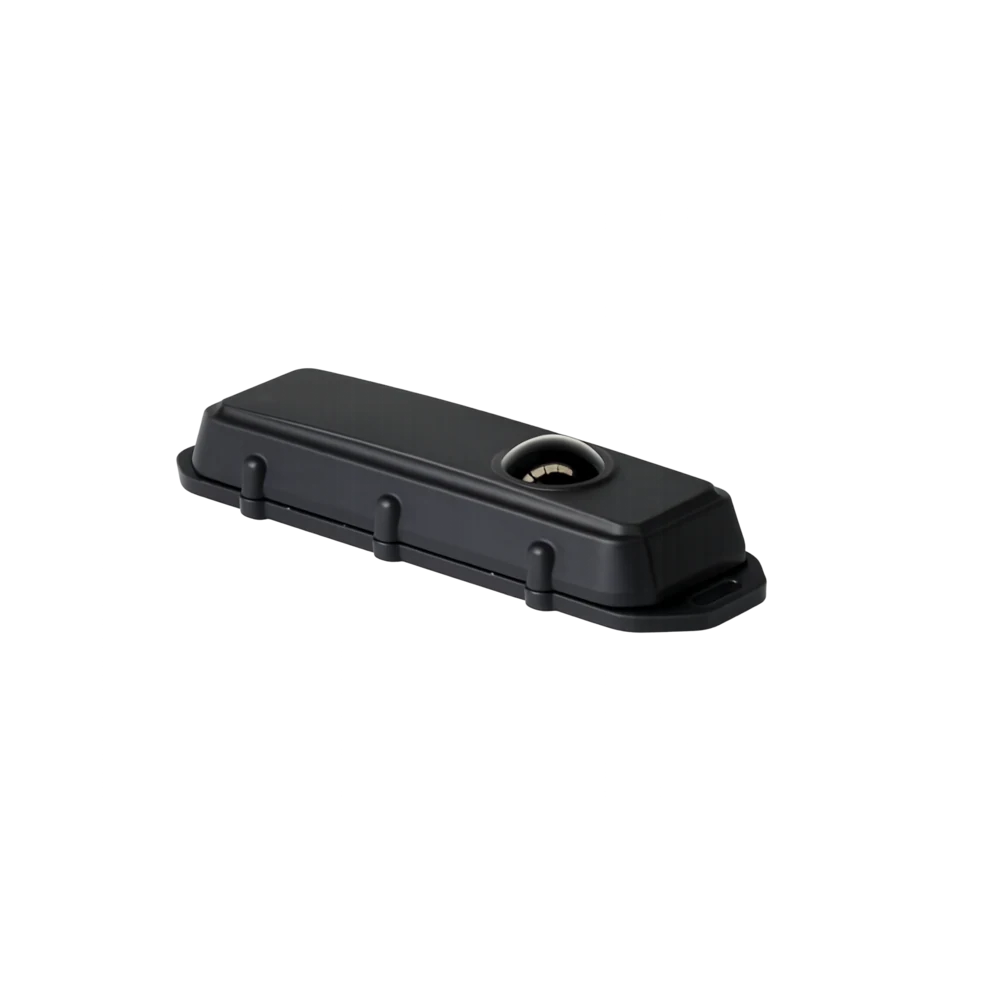
BARRA-RADAR-BLE · Wireless trackers
Barra Radar BLE
Object and Level Detection via Radar Bluetooth device in Barra form-factor (batteries not included)
IN STOCK · ZAR
HomeSolutionsOperations, Workflow & ProductivityFleet Maintenance Scheduling
Operating layer · Solution
Automate fleet maintenance scheduling with kilometre, engine-hour and predictive triggers. Catch unplanned failures early on South African fleets.

A 26-tonne rigid is parked on the gravel verge of the N4 just past Witbank at 11:45 on a Wednesday. Engine warning light came on three weeks ago. The driver reported it twice. The workshop diary did not link the report to a service-due event because the report sat in WhatsApp and the diary lived in a paper book. Today the engine has stopped. Cargo is two days late. Recovery and lost-revenue runs into six figures . Maintenance Scheduling stops that pattern: kilometre, engine-hour, time-based and predictive triggers feeding one diary that the workshop, dispatcher and driver all read from.
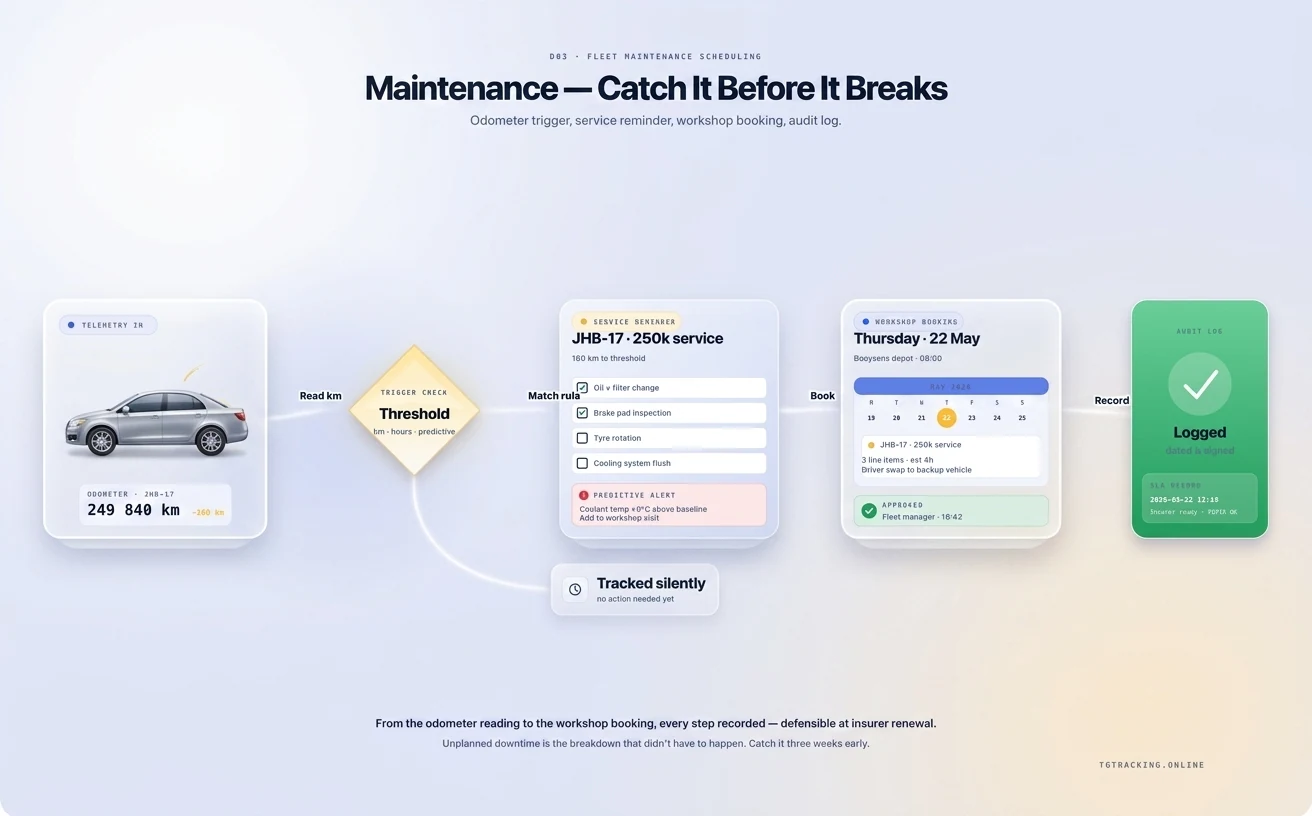
Fleet Maintenance Scheduling from TG Tracking turns service intervals, engine-hour thresholds, time-based tasks and predictive sensor alerts into one workshop calendar that catches unplanned failures early. It pairs with Fleet Tracking and Management for the odometer feed, Vehicle Inspection App so a driver-flagged defect lands as a workshop task, Equipment Monitoring Sensors for non-vehicle plant, and Fuel Monitoring for anomaly-led fault detection. Cluster overview at Operations and Workflow.
A single trigger type does not match how a real fleet wears. The platform runs four side by side, combined into one diary line per vehicle.
Kilometre-based. Service intervals tied to odometer, with the live odometer fed from the tracking device. Vehicle 22 hits 9 982 km, the platform raises the next-service flag at 9 800 km, the workshop pre-orders parts at 9 500 km.
Engine-hour based. For trucks, generators, plant and machinery where hours under load matter more than distance. Pairs with Equipment Monitoring Sensors on yellow metal and standby gensets.
Time-based. Annual roadworthy, six-monthly tyre rotation, monthly safety inspection, quarterly licence-disc renewal. Fires regardless of usage so a stored unit still triggers its compliance task.
Predictive sensor-driven. Engine warning codes, low battery voltage, rising oil temperature, harsh-driving wear pattern, AI camera fault flags. The workshop sees the symptom before the breakdown.
A maintenance diary that sits separate from the driver inspection is two diaries that disagree at month-end. The platform runs one chain.
A driver flags a tyre wear issue on the morning walkaround in the Vehicle Inspection App. The defect lands as a maintenance task on the same vehicle's record, with the inspection photo, GPS stamp and severity attached. The workshop sees it in the diary alongside the next service. A service interval landing within 7 days of the defect collapses into one bay slot. No item drops between systems because there is one system, visible in TG Online.
The workshop opens its diary on a Monday. Five views, one screen.
Every closed task writes back to the vehicle's history with the part replaced, the cost, the workshop and the next-due trigger. Exportable for resale value, audit, insurance and customer compliance pack.
Maintenance Scheduling sits between operations and safety. Most South African fleets need both views in one diary.
For mine-site contractors, the diary feeds the Mining IVMS compliance log . For long-haul operators, the diary holds the roadworthy and tyre-rotation history needed for AARTO and RTMC compliance . For insurance claims, the diary's part-replacement and service-cadence record supports the claim pack the assessor asks for .
A diary built for a stable European parts supply chain is not a diary built for the local workshop economy. Parts availability swings with imports. Exchange rates move servicing cost month to month. Tyre wear is heavier on rural routes than on tarred urban runs. Generators that were standby five years ago now run as primary power, so engine-hour tracking matters where it used to be a footnote. The diary is configurable so a Highveld coal fleet, a Cape Town courier fleet and a Limpopo agricultural operation each run their own intervals.
Yes. Odometer feeds from the tracking device on each vehicle. The driver does not enter it manually, which removes the typo and the gap.
Yes. Engine-hour input from a sensor or manual logbook entry feeds the diary. For plant on a rotating site, Equipment Monitoring Sensors is usually the better long-term answer.
Yes. The Vehicle Inspection App writes defects directly to the maintenance diary on the same vehicle record.
Yes. The API and webhooks push and pull tasks and history into common workshop, DMS and ERP systems. Specific integrations are scoped during onboarding.
A stored unit still triggers time-based tasks like annual roadworthy and licence-disc renewal. Kilometre and engine-hour triggers pause until use resumes.
A rising oil temperature, a recurring engine code, a sudden drop in battery voltage or a harsh-driving wear pattern all surface before the failure event. The workshop gets a check task instead of a recovery call.
Yes. Trailers are scheduled through Trailer Management. Generators and yellow metal pair with Equipment Monitoring Sensors where engine-hour and runtime data drive the schedule.
If your maintenance diary is a paper book, a spreadsheet or WhatsApp, the next unplanned breakdown is already on its way. Book a demo and we will walk you through the diary view with your fleet shape and compliance load in mind.
Trackers and apps that turn the daily ops checklist into live, exception-driven workflow.
Object and Level Detection via Radar Bluetooth device in Barra form-factor (batteries not included)
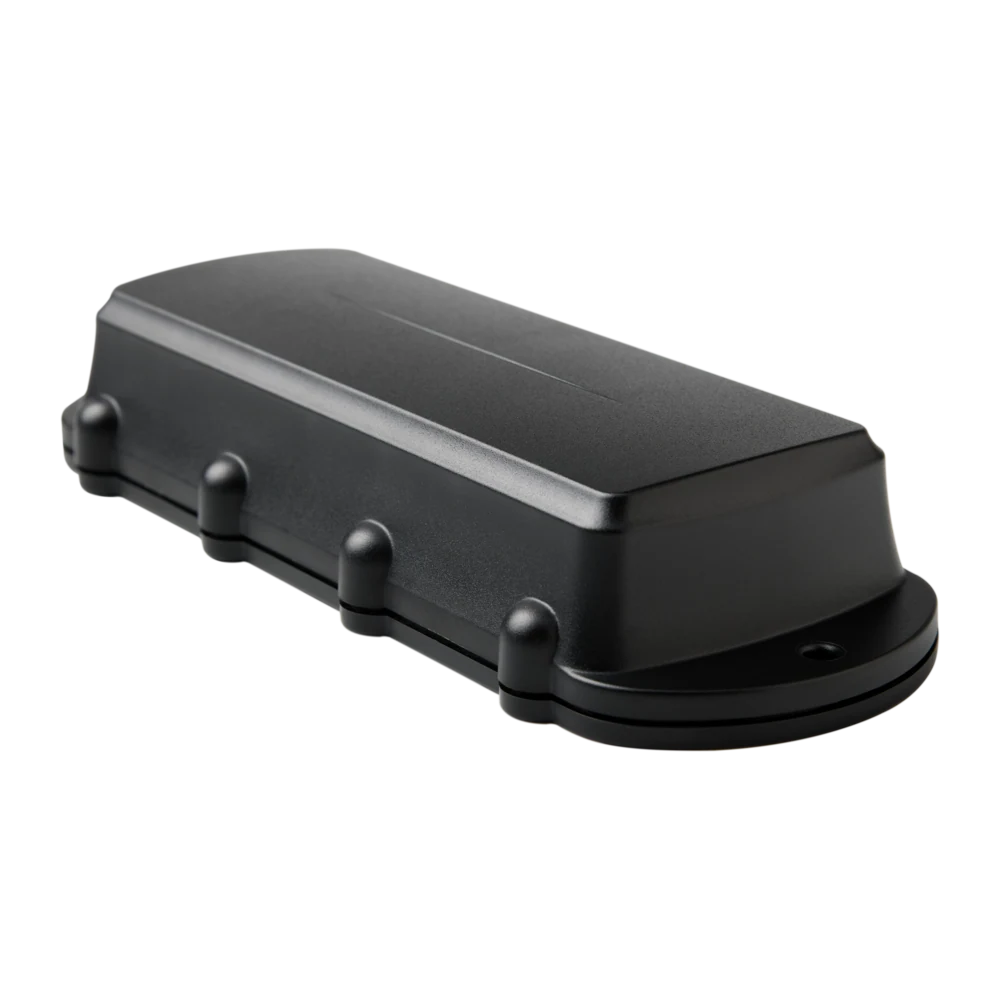
Remora3 Global GPS tracker on 4G Cat1bis with 2G fallback, Bluetooth 5.2 gateway
Remora3 GPS tracker on 4G LTE-M / NB-IoT with Bluetooth 5.2, massive battery life
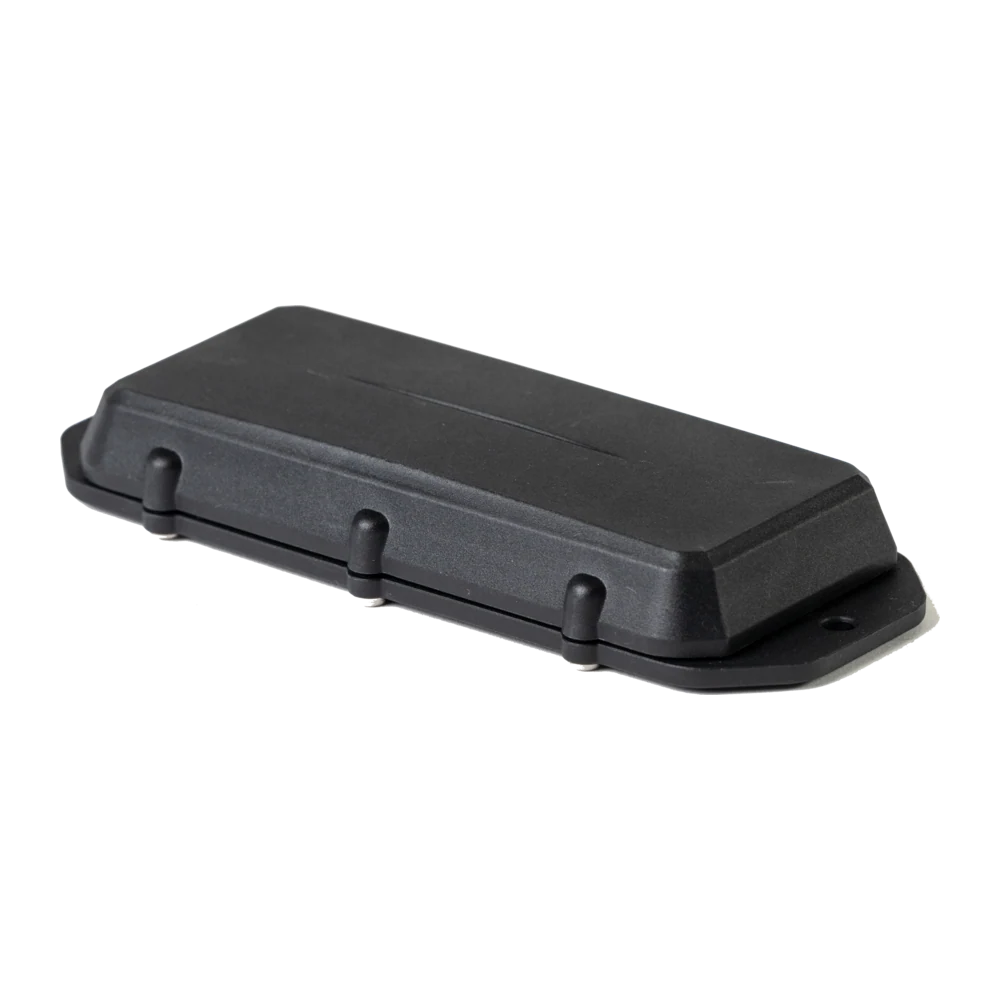
Manta form-factor GPS-only tracker on 4G LTE-M / NB-IoT
Tell us what you run, where you run it and the risk profile. We'll match the hardware, platform and rollout plan to your operation.