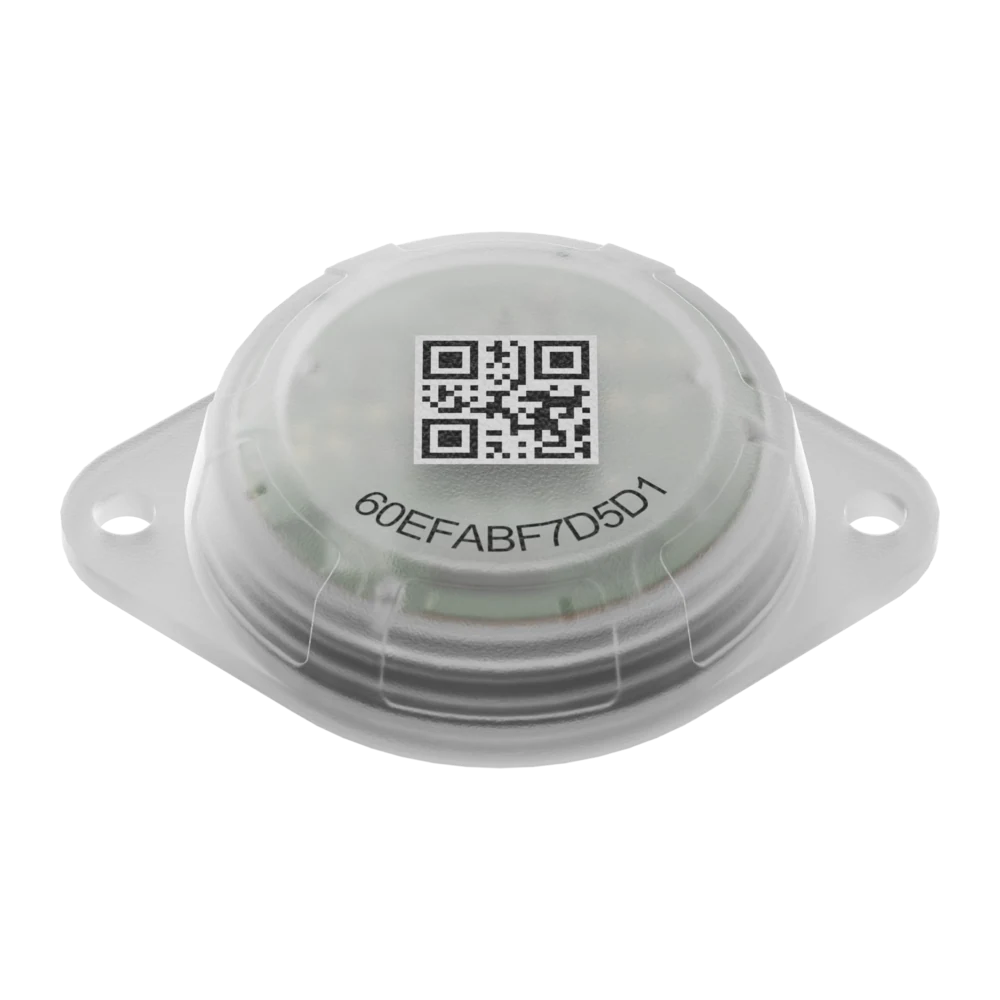
DOT-GLOW · Sensors
Dot Glow
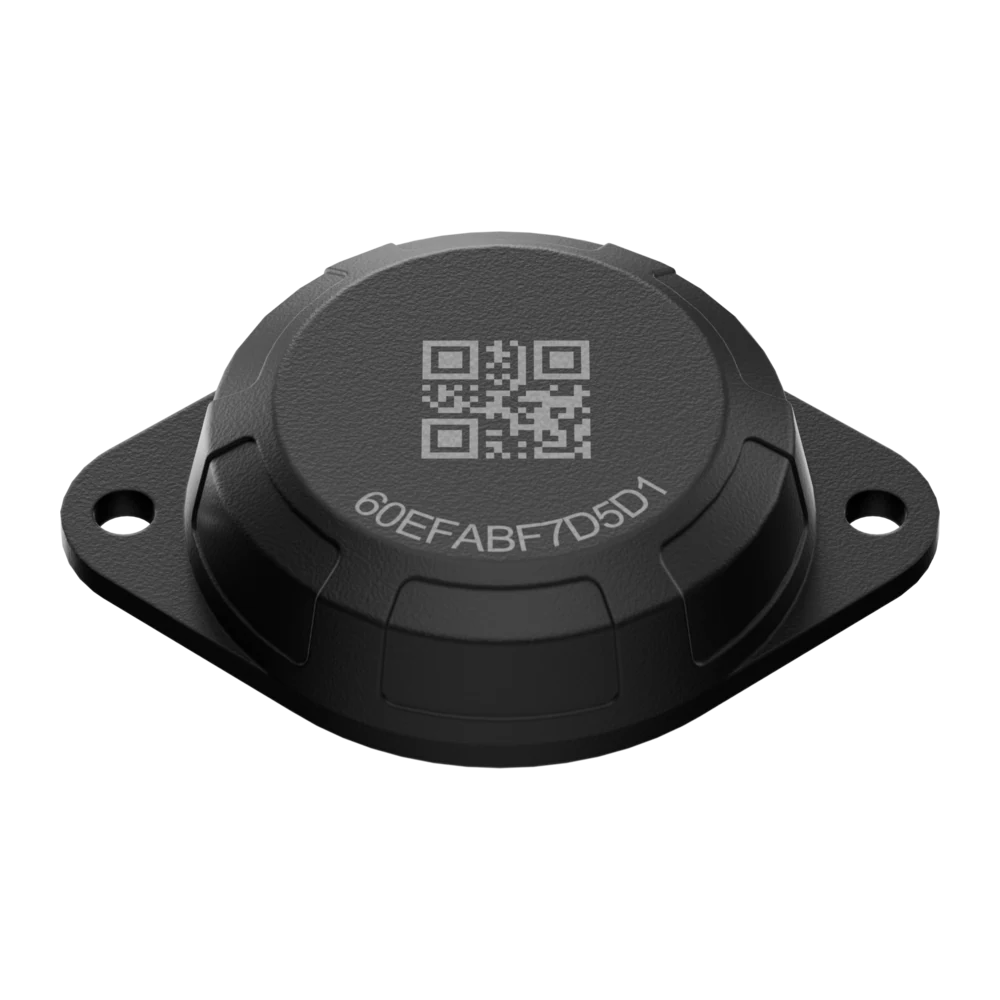
Bluetooth® Low Energy tag for asset tracking with high-brite LED
IN STOCK · ZAR
HomeSolutionsRemote Sensor MonitoringWater Management Sensors
Operating layer · Solution
Live tank level, flow, pressure and sewer telemetry for South African farms, municipalities and industrial sites. Catch leaks and pump failures in time.
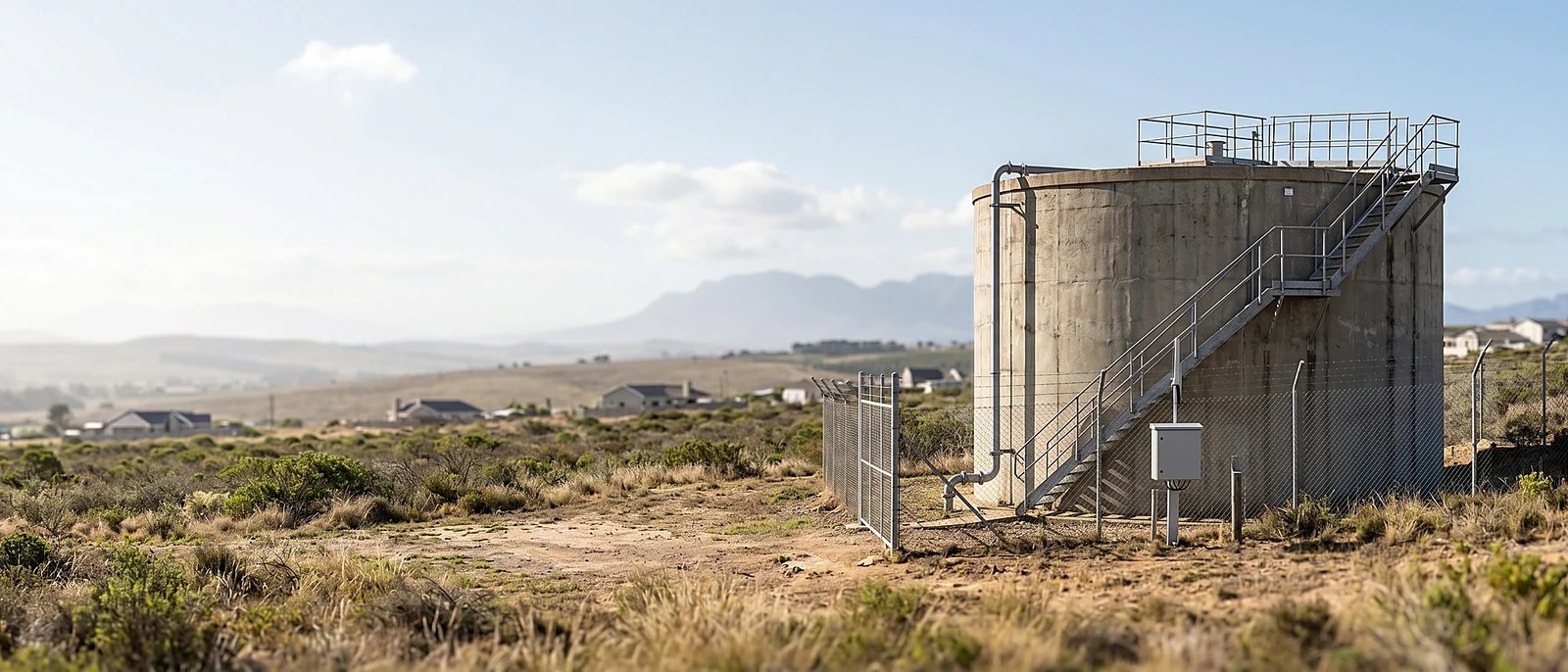
Every tank, every pump, every borehole, on one feed with one alert profile. Continuous level, flow, pressure and pump-runtime data streams from each measurement point to the platform, so a farm manager, a municipal operator or a mine dewatering team opens the dashboard and sees the live state of the whole water layer. Reservoir balance, irrigation throughput, pressure-zone health and pump runtime live on the same map, with alerts profiled against the operating schedule each site actually runs on.
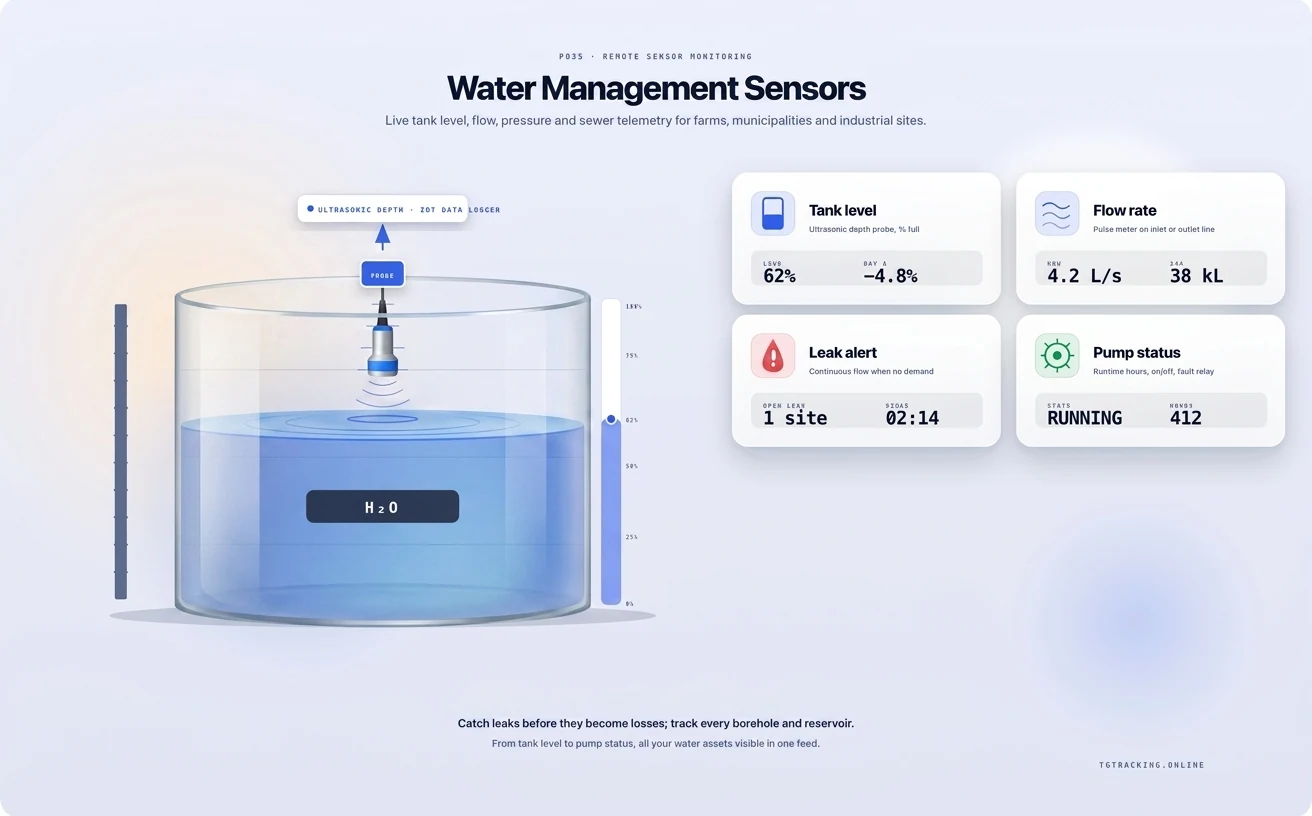
Water management sensors from TG Tracking deliver live tank level, flow, pressure, depth and sewer telemetry across reservoirs, boreholes, storm-water sumps, water meters and treatment infrastructure. Ultrasonic depth probes, pressure transducers, float switches, pulse meters and conductivity probes feed TG Online on the same map view as the rest of the Remote Sensor Monitoring catalogue. For pump runtime and fault telemetry, pair with Equipment Monitoring Sensors.
Five signal classes do most of the work.
An ultrasonic depth probe at the top of the tank reads surface distance and converts to a calibrated litre count against the tank geometry. A pressure transducer at the base does the same job for tall or chemical tanks. Continuous level data shows a slow leak as a downward slope long before a stick-dip would catch it.
A water-meter pulse is read by the logger and converted to litres per minute, hour and day. Borehole flow, irrigation flow, town-water inflow and treatment throughput all surface as discrete numbers. Reconciliation between metered inflow and outflow closes the leak-detection loop.
A pressure transducer on a reticulation line reads live operating pressure. A sudden drop with no scheduled valve operation is a burst signature. A continuous low reading on a high-demand morning is a supply-side problem upstream.
A depth probe in a stormwater sump or sewer manhole reads rising water against thresholds. Overflow alerts fire before the surface flood event. Blockage alerts fire when flow stagnates against expected discharge.
A current sensor on the pump motor reads on-state, runtime and dry-run conditions. Combined with the supply-tank level, the platform protects the pump from the most common borehole failure mode: running dry because the level dropped below the inlet.
Leak detection is mostly pattern reading. A municipal pressure zone with a slow leak shows a creeping drop in night-time pressure. An agricultural reservoir with a leaking liner drops faster overnight than evaporation can account for. A reticulation network with an under-the-paving burst shows continuous flow that should have been zero between 23:00 and 04:00. The platform names those signatures: minimum-night-flow breach, abnormal-overnight-drop, continuous-flow during a no-demand window. The investigation that used to start with a customer complaint now starts with a system alert.
Water sensors matter more in South Africa than in most markets, and the pressure is structural. Drought has reset reservoir baselines across the Western Cape, the Eastern Cape and the Karoo. Day-zero scenarios put a price on every litre lost to a leak. Municipal infrastructure backlogs have shifted treatment, reticulation and pressure management onto telemetry that survives load shedding and patchy coverage. Agricultural users carry an unusual share of national water risk because they irrigate from boreholes, on-farm reservoirs and licensed allocations that all need balancing, with Farming carrying the storage-and-cold-chain side of the same operation. Mining operators run dewatering, process water and tailings monitoring under the Mining IVMS compliance frame, with industry-specific configurations under Industries we serve. For irrigation pumps and bowsers that move water across the operation, pair this layer with Wireless asset tracking.
Ultrasonic depth probes, pressure transducers, float switches, conductivity probes, pulse-meter inputs and rain gauges. The data logger reads SDI-12, 4-20 mA, RS-485, pulse and digital inputs across that family.
Accuracy depends on the sensor type, tank geometry and calibration. Ultrasonic probes are calibrated against the tank shape at install, and pressure transducers are calibrated against the head height. We tell you upfront which combination gives the tightest tolerance for your tank rather than promising one number for all configurations.
Battery, solar or external power, sized to the reporting cadence. A low-cadence reservoir reading lasts longer than a high-cadence pressure-line read. Solar is common on outdoor reservoir and borehole sites.
Yes, where the leak produces a measurable drop or pressure signature. Slow underground leaks are usually caught by minimum-night-flow analysis or abnormal-overnight-drop alerts rather than by the level sensor alone. The platform names those patterns explicitly.
Yes. Pressure transducers, depth probes and pulse meters all feed the same platform. The operator gets a single dashboard for the zone rather than four vendor portals.
Where a SCADA system exists, sensor data is pushed via API or webhook so the two views reconcile. The platform runs as a complementary IoT layer, not a SCADA replacement.
A multi-site operator gets a single map view with each site's level, flow and alert status. Reconciliation between bulk supply, district storage and consumer flow is one report.
The platform turns tanks, boreholes, pressure zones and meter pulses into one continuous record that the operator, the engineer and the auditor share. The morning opens with the picture in hand.
Long-life sensors for environment, equipment, fuel, refrigeration and water, feeding the same dashboard.
Bluetooth® Low Energy tag for asset tracking with high-brite LED
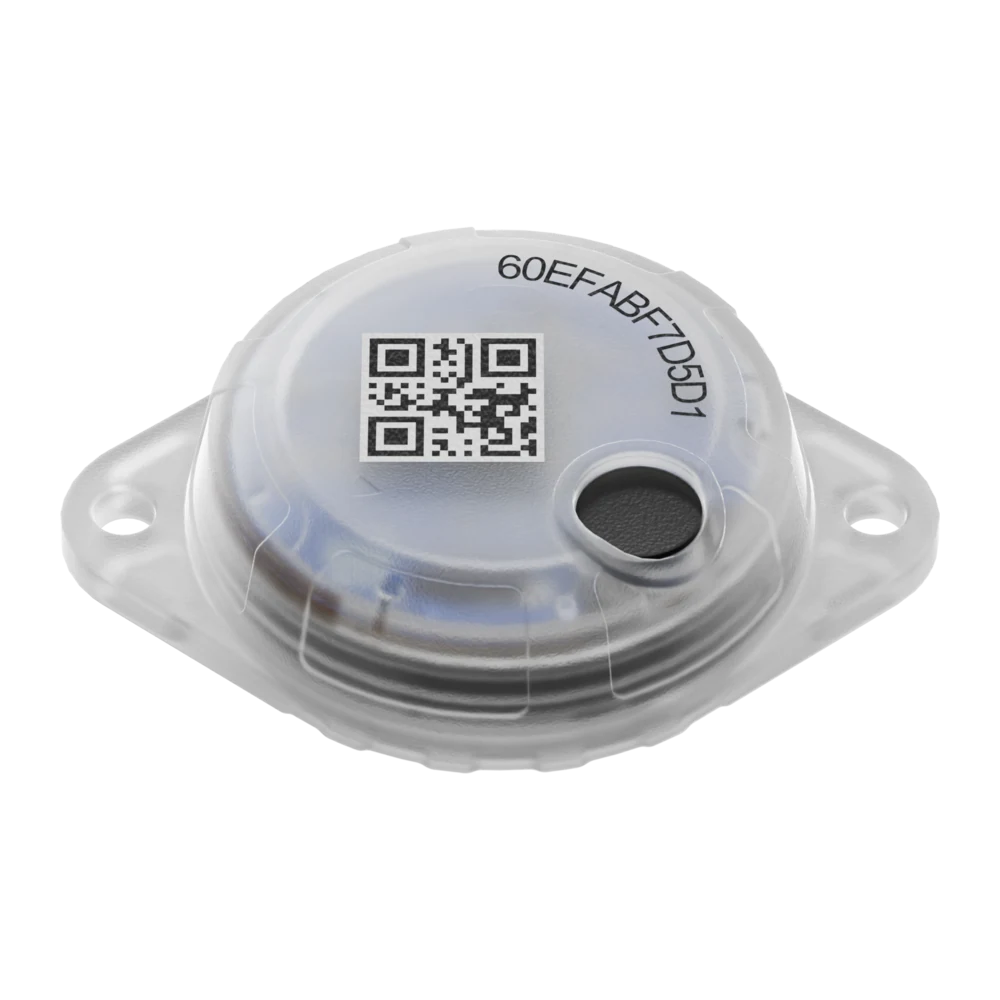
Bluetooth® Low Energy tag with temperature/humidity/orientation/shock/magnet and LED
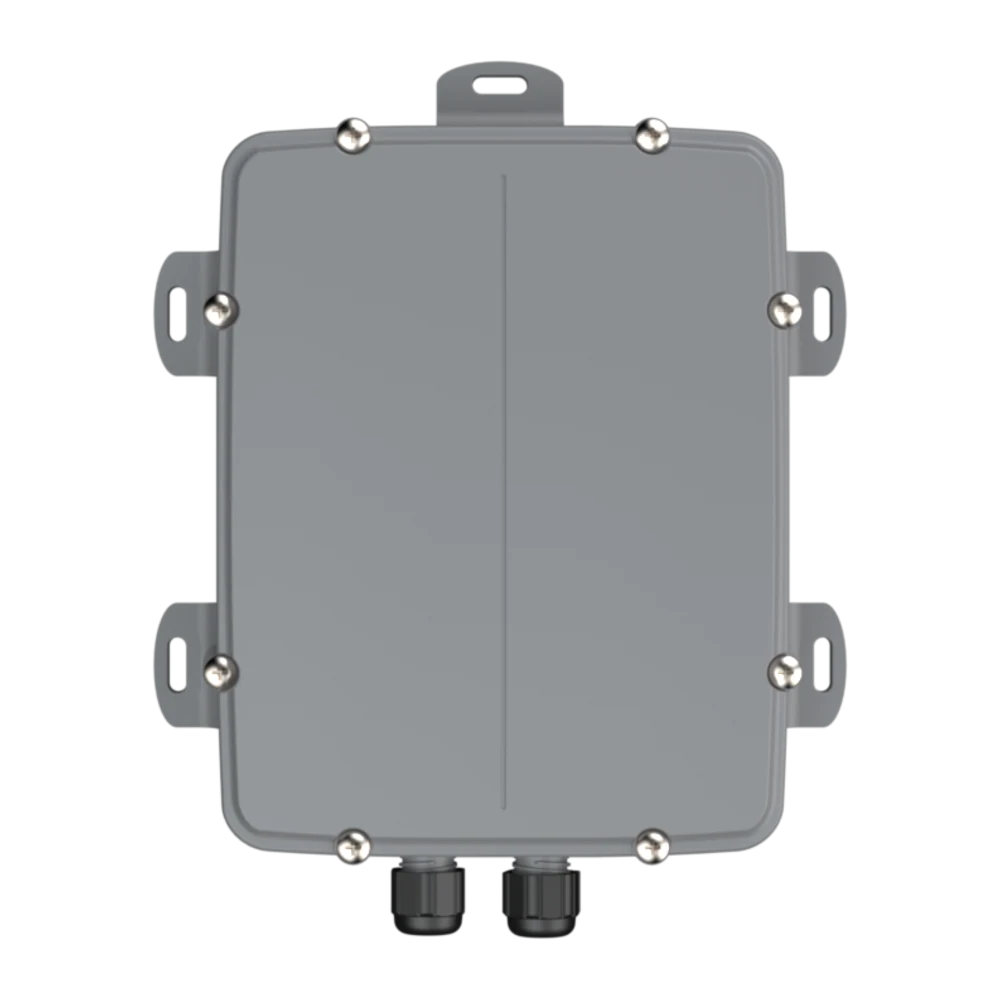
Hawk Housing (no Gore Vent), with 2× D cell LTC battery holder (no batteries)
Tell us what you run, where you run it and the risk profile. We'll match the hardware, platform and rollout plan to your operation.