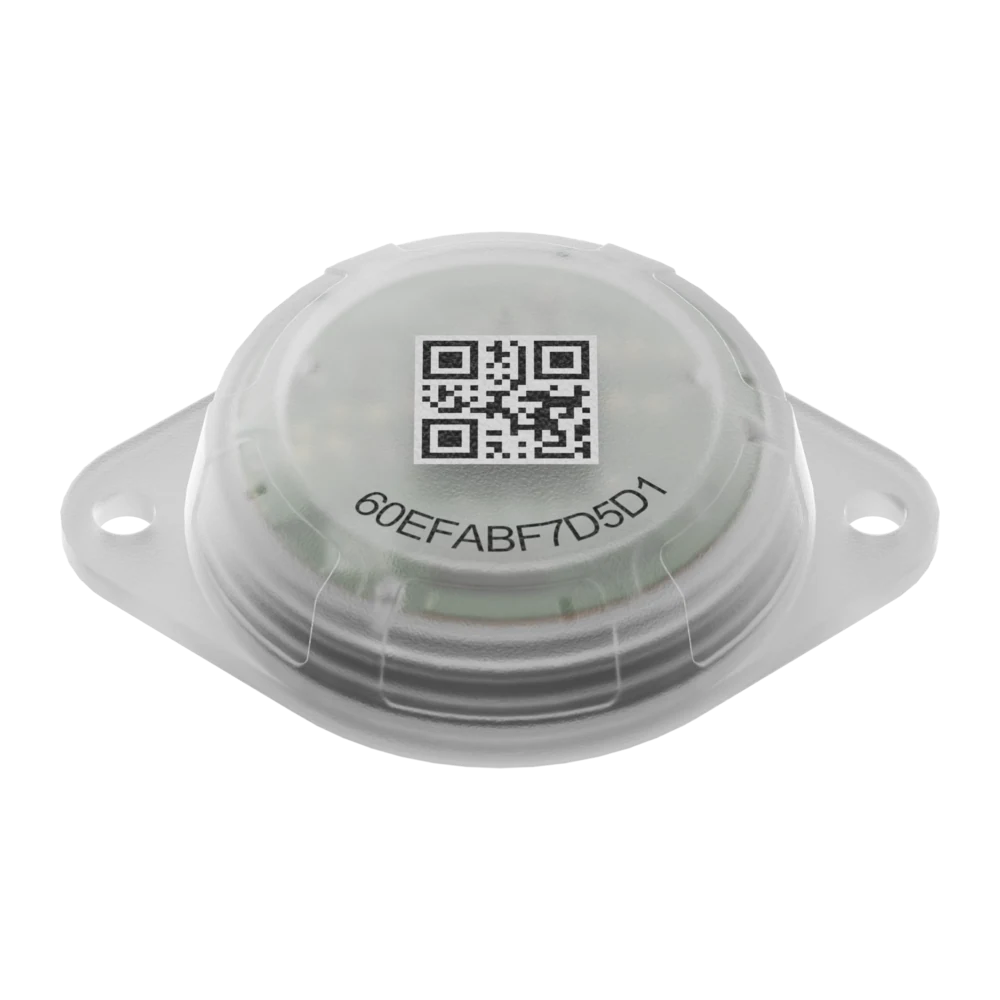
DOT-GLOW · Sensors
Dot Glow
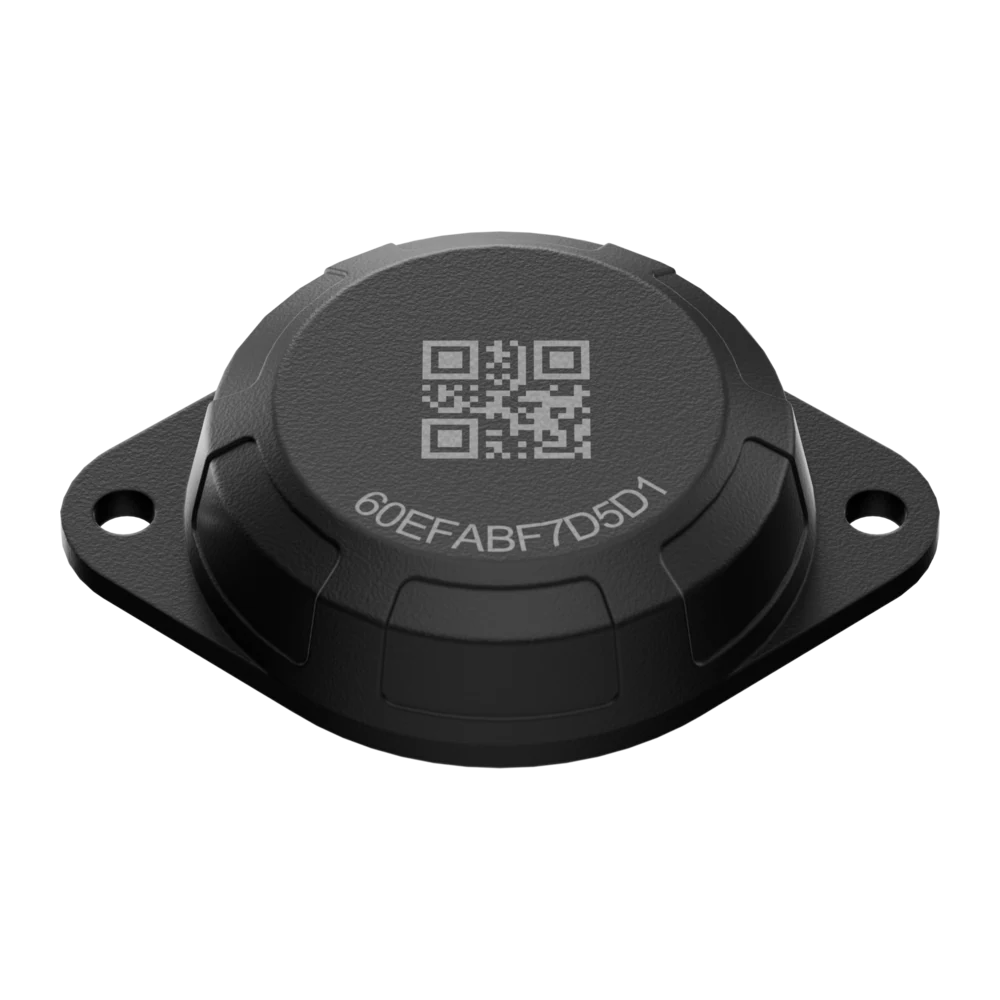
Bluetooth® Low Energy tag for asset tracking with high-brite LED
IN STOCK · ZAR
HomeSolutionsRemote Sensor MonitoringFuel Tank Level Monitoring
Operating layer · Solution
Continuous tank-level data for fixed depot tanks, mobile bowsers and generator day-tanks across South Africa. Stick-dip replacement, multi-site stock visibility.
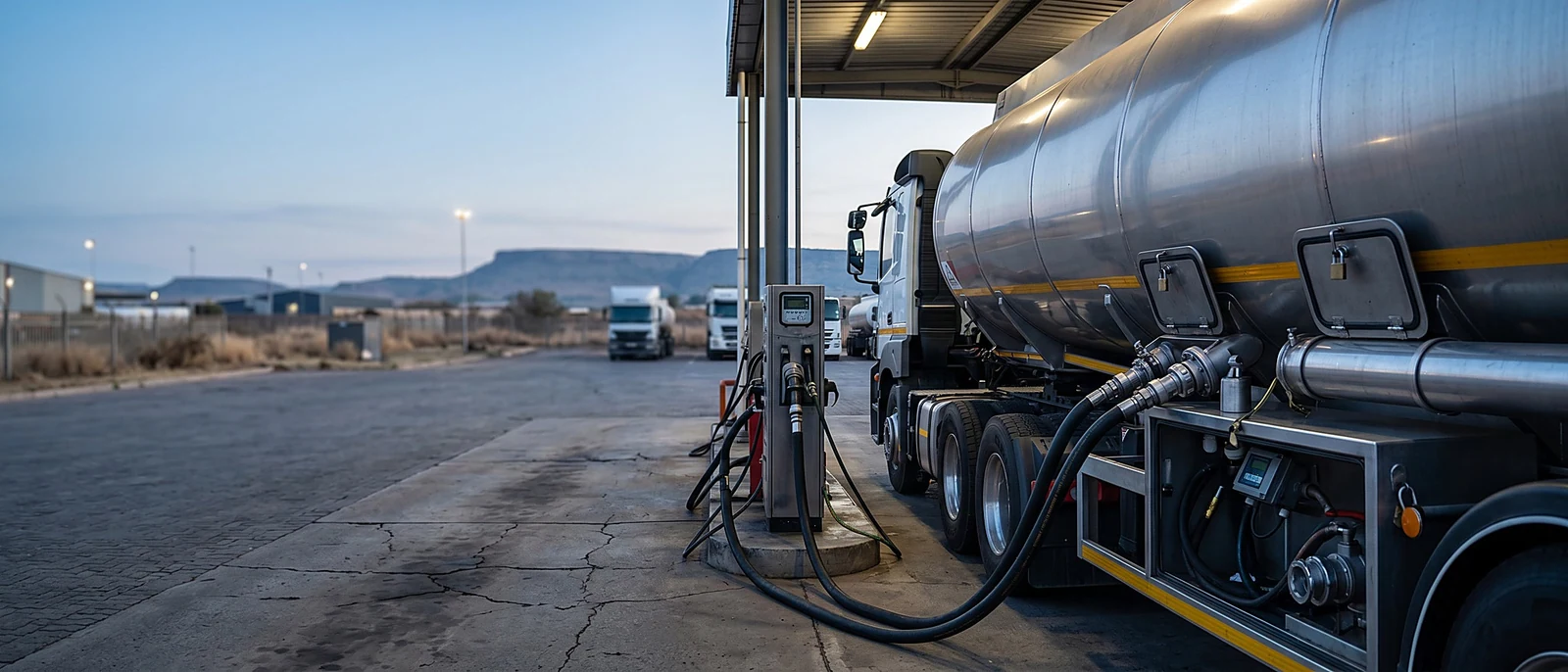
Polokwane, Monday 07:35, the fleet operations director opens his weekly stock-level report for an operation running twelve depots across Limpopo and the eastern Free State, each with two to four diesel tanks. The report is a WhatsApp thread from twelve supervisors, each sending a stick-dip reading taken between Sunday afternoon and Monday morning. Three readings are missing because the supervisor was off shift. Two are clearly old because the tanks had a Sunday delivery that does not appear in the number. Reordering is now a procurement guess. Stock visibility on fuel was a depot problem the day the operation grew past four sites and never got fixed. Continuous tank-level data is what fixes it.
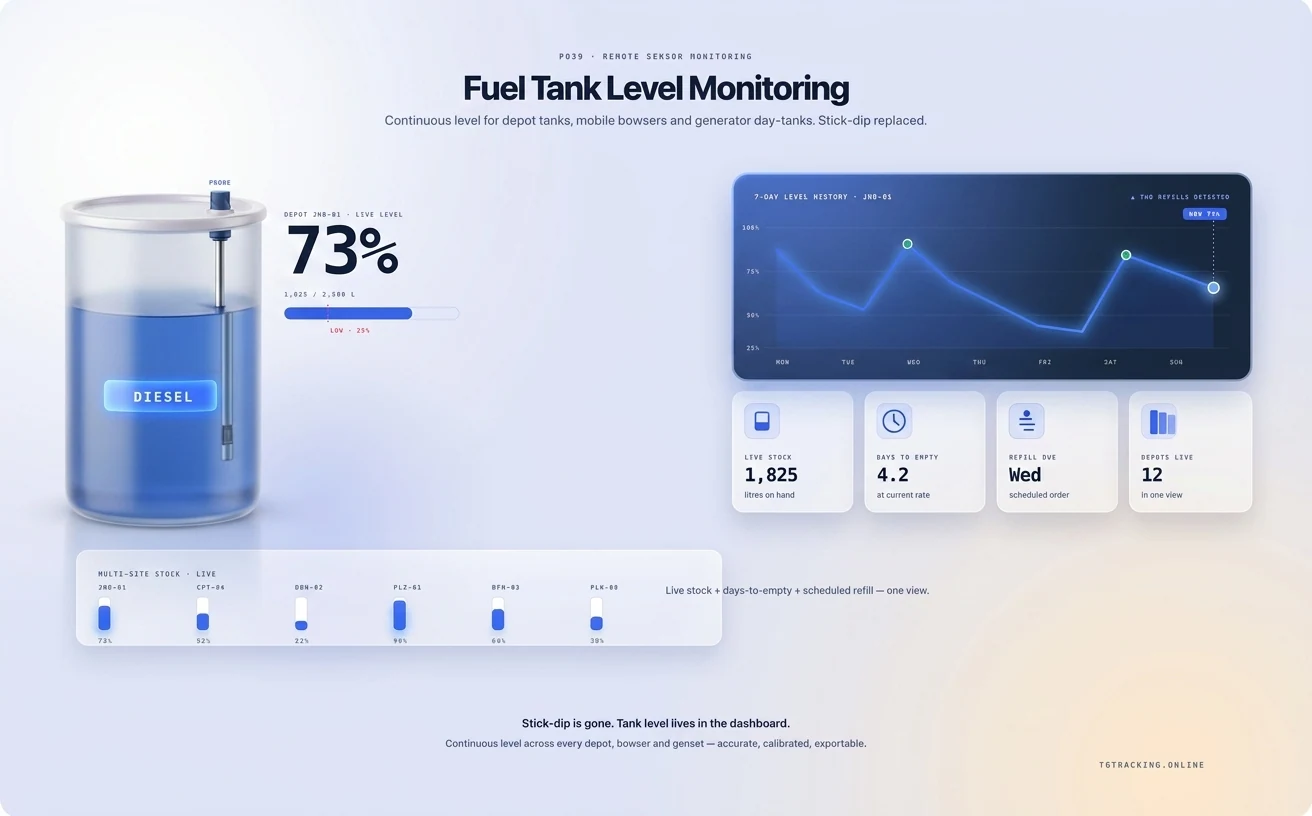
Fuel tank level monitoring from TG Tracking delivers continuous level reading on fixed depot tanks, mobile bowsers, generator day-tanks, sub-base tanks and remote-site bulk fuel storage. It is the stock-visibility side of the Fuel Monitoring Sensors cluster, paired with Fuel Usage and Theft Monitoring for the pattern-detection side. Multi-site reconciliation, refill verification, low-level alerts and depot-stock reporting all run on the same platform as Fuel Monitoring and Wireless Fuel Bowser Tracking.
Stick-dip readings on diesel tanks have three problems that scale with operation size. They are infrequent (once a day at best, often once a week). They are inconsistent (different supervisors, different angles, different depot heights). And they are unverifiable (the dip number is whatever the supervisor wrote on the WhatsApp thread). A single-depot operation can survive on stick-dip discipline. A twelve-depot operation cannot. The numbers stop reconciling and the procurement decision becomes a guess.
Continuous tank-level data replaces the stick-dip with a probe that reads continuously and reports against a calibrated curve. The Monday report becomes a system-generated dashboard with twelve depots, every tank on every depot, the current level, the trailing-week consumption and the next-delivery recommendation. Procurement runs from the data, not from the WhatsApp thread.
Three sensor types cover the full range of South African diesel and petrol tank installations. The right type depends on the tank geometry, the access available at install and the calibration tolerance required.
Mounted at the top of the tank, the probe reads the surface distance and converts it to a calibrated litre count against the geometry. Non-contact, easy to install on most fixed tanks and bowsers, no fuel exposure on the sensor element.
Inserted vertically through the tank top, the probe reads continuous level along its length. High accuracy across the operating range, well suited to diesel tanks and bowsers where calibration tolerance matters.
Mounted at or near the tank base, the probe reads hydrostatic pressure and converts to level against the tank shape. Suited to deep, tall or chemical tanks where top-mounted probes are impractical.
The right combination is decided per tank during onboarding rather than as a single national rule. Most multi-depot fleets carry a mix.
The platform aggregates every tank from every depot into one dashboard. Each tank has its current level, its trailing-week consumption rate, its next-delivery recommendation and its outstanding alerts. Procurement, fleet operations and depot supervisors see the same number when they ask the same question. The Monday morning WhatsApp goes from twelve messages to one report, and the report has a calibration record behind it. Refill verification compares the delivery note from the fuel supplier against the level rise on the tank at the time of the delivery. A 5 000 litre delivery that produces a 4 720 litre level rise is a discrepancy worth investigating before the invoice is paid.
Stock visibility on tanks pairs with Fuel Usage and Theft Monitoring for pattern detection on the same probe, and with Equipment Monitoring Sensors when generator runtime needs to be read alongside day-tank level. Mine rollouts integrate with the Mining IVMS frame, with configurations under Industries we serve.
Accuracy depends on the probe type, tank geometry and calibration. Calibration is done against the tank shape at install. We tell you upfront which combination gives the tightest tolerance rather than promising a single national number.
Yes. Continuous probe data replaces the stick-dip with a system-generated record. Most operations run both for the first month to reconcile and then drop the manual dip.
Battery, solar or external power, depending on the cadence. A low-cadence depot reading lasts longer than a high-cadence bowser read. Power option is sized at install.
Yes. The platform compares the supplier's delivery note volume against the level rise on the tank at the time and flags discrepancies. A short delivery becomes a system-generated event rather than a supervisor's anecdote.
Yes. Each tank carries its own probe and the platform aggregates readings into a single map and report view across the operation.
This page is the stock-visibility story: where am I, how much do I have, when must I order more. The pattern-detection story is at Fuel Usage and Theft Monitoring. Both run on the same probe.
Pressure-level transducers handle underground tanks. Sub-base tanks under generators run a small probe sized to the volume and cadence. The right probe is picked per installation.
If your weekly stock-level report today is a WhatsApp thread from twelve depot supervisors, this layer is what replaces it.
Long-life sensors for environment, equipment, fuel, refrigeration and water, feeding the same dashboard.
Bluetooth® Low Energy tag for asset tracking with high-brite LED
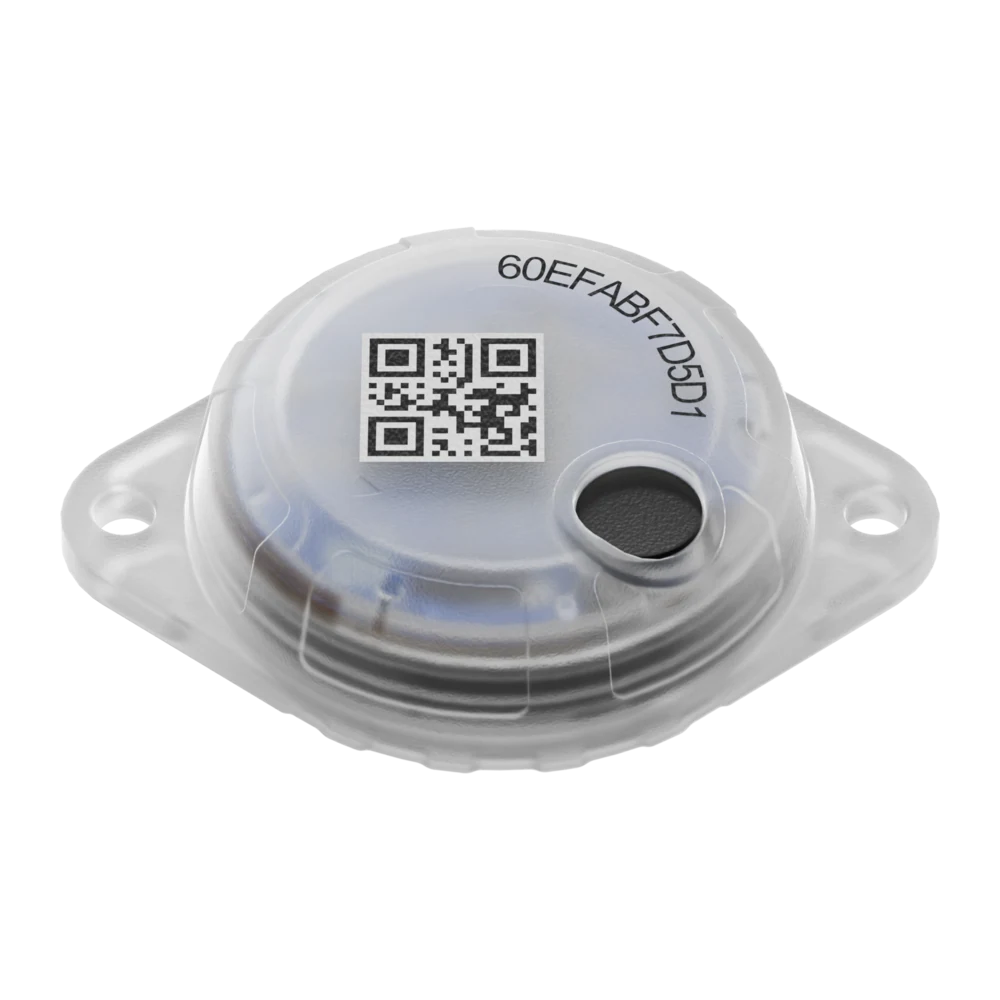
Bluetooth® Low Energy tag with temperature/humidity/orientation/shock/magnet and LED
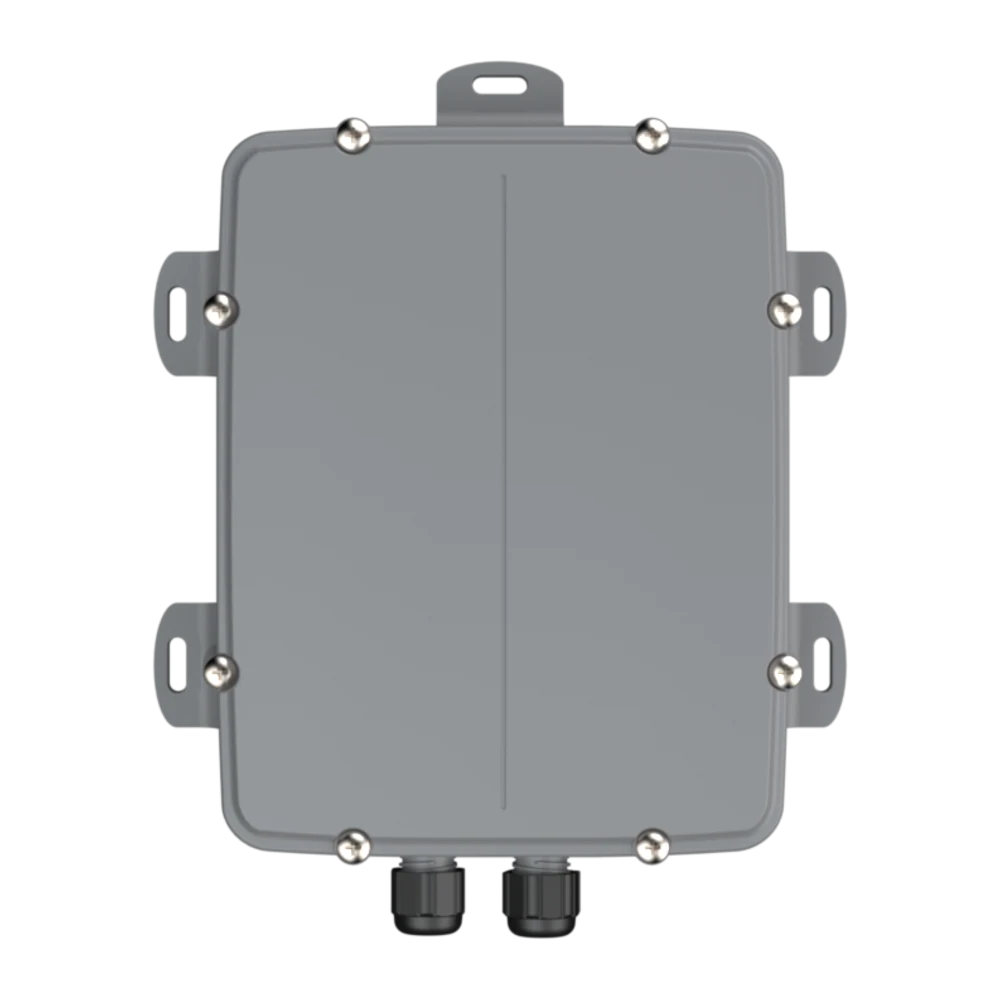
Hawk Housing (no Gore Vent), with 2× D cell LTC battery holder (no batteries)
Tell us what you run, where you run it and the risk profile. We'll match the hardware, platform and rollout plan to your operation.