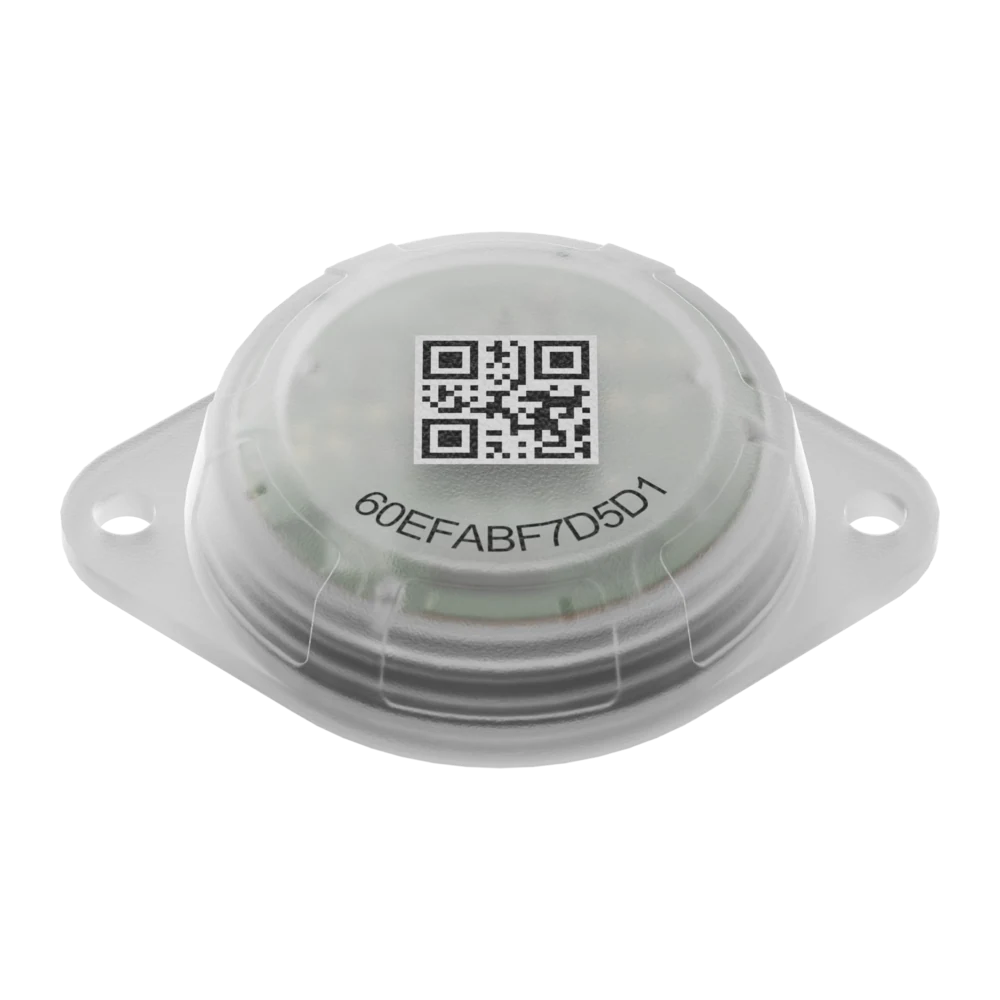
DOT-GLOW · Sensors
Dot Glow
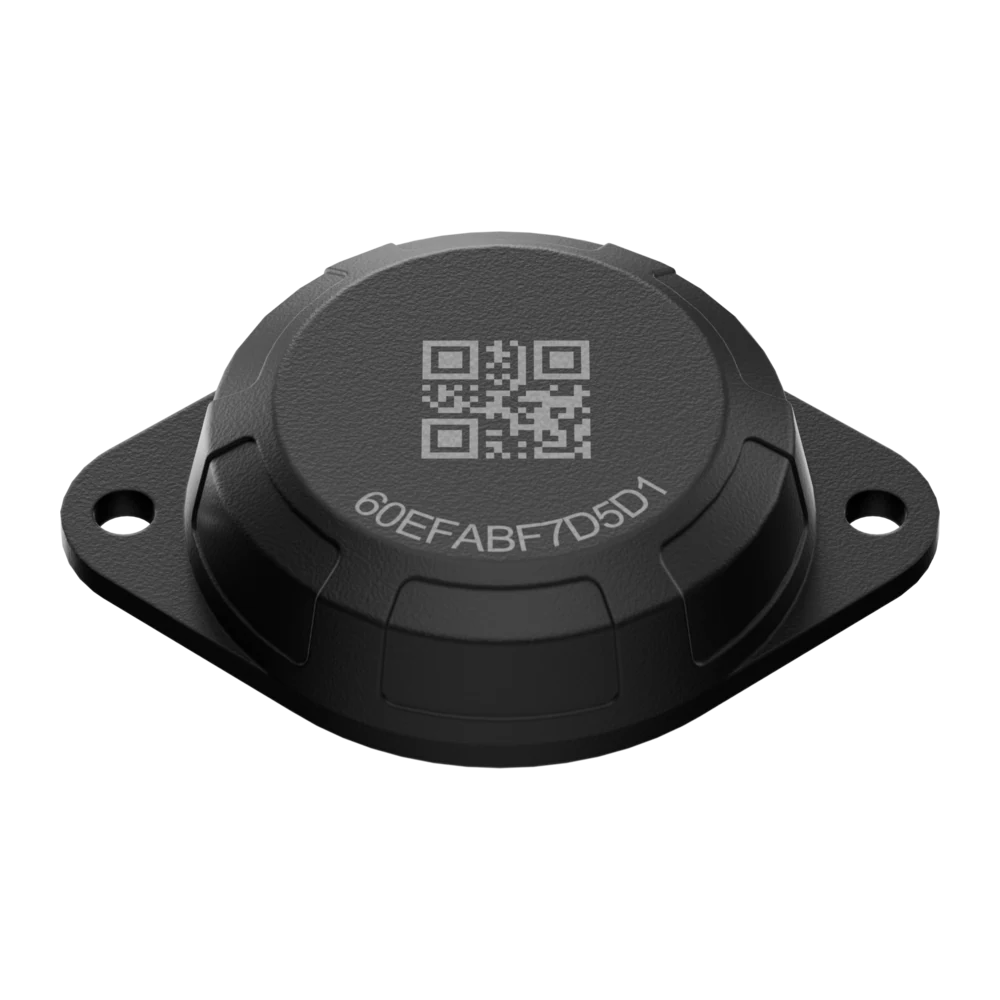
Bluetooth® Low Energy tag for asset tracking with high-brite LED
IN STOCK · ZAR
HomeSolutionsRemote Sensor MonitoringFuel Monitoring Sensors
Operating layer · Solution
Live tank-level, refuel and theft-pattern telemetry for South African bowsers, depot tanks and gensets. Sensor-side of the fuel ecosystem on one platform.
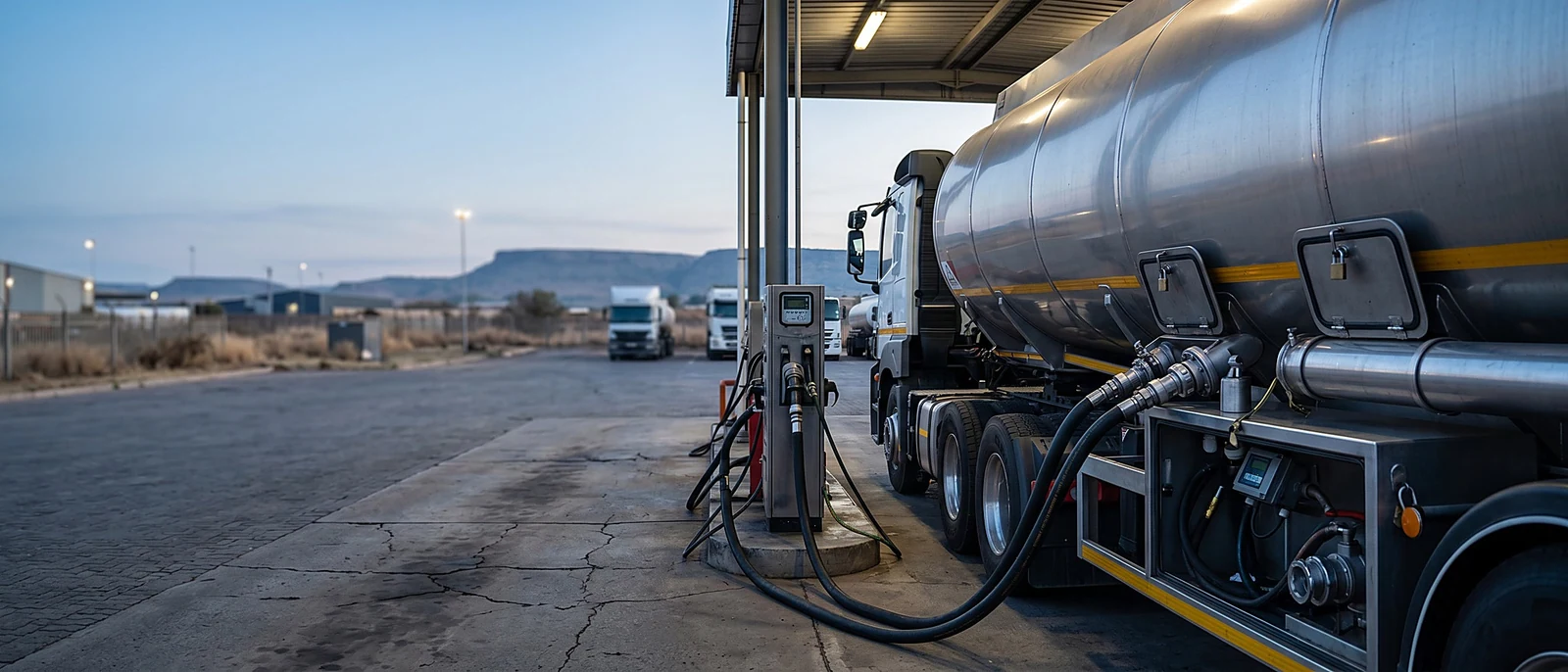
Continuous fuel visibility across every tank, bowser, day-tank and bulk storage point on the operation. Each litre that enters or leaves a tank reports to the platform with a position, a time and a matching record from the receiving asset, so the weekly fuel reconciliation runs against a system-generated dataset rather than a clipboard read. The Friday-afternoon view opens with deliveries, dispenses and consumption already aligned across the yard, the depot and the field.
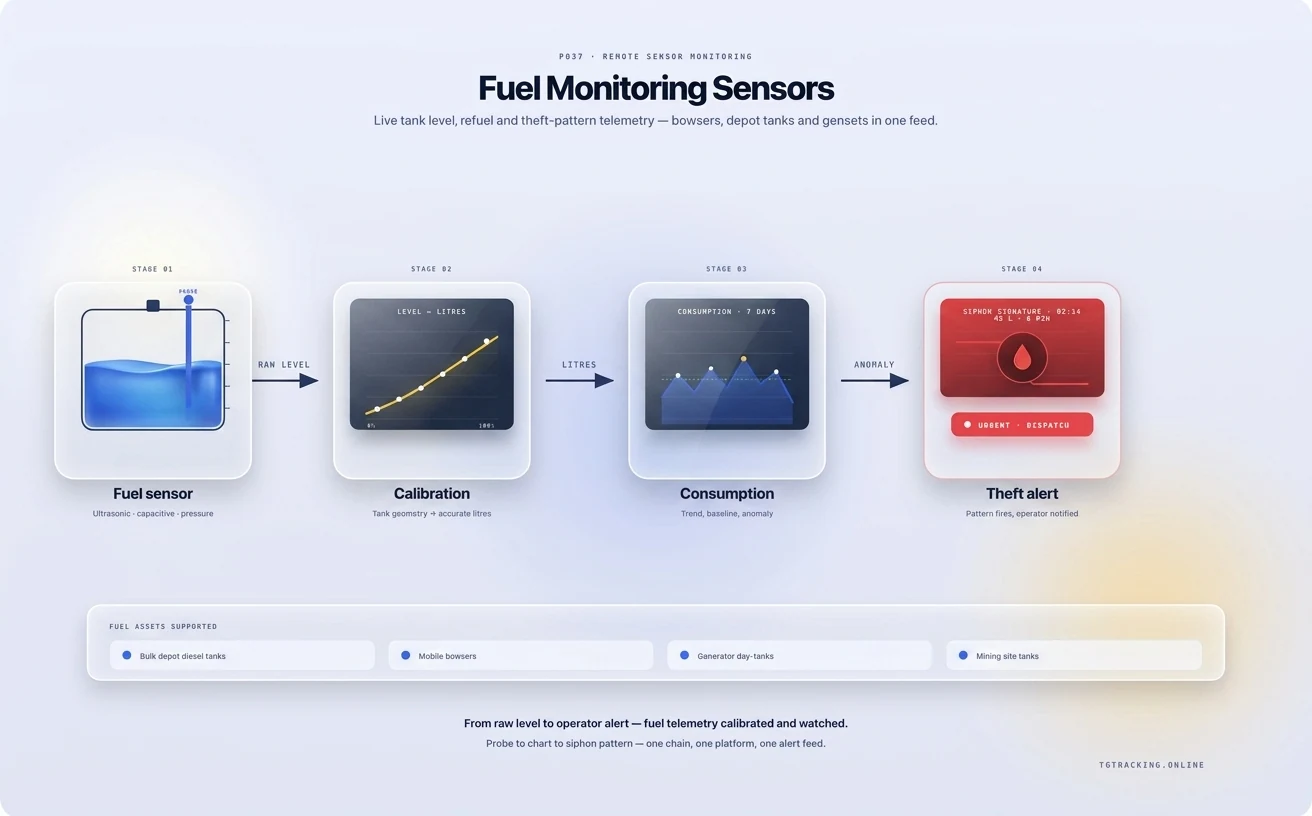
Fuel monitoring sensors from TG Tracking deliver continuous tank-level, refuel-event and theft-pattern telemetry across bowsers, depot bulk tanks, generator day-tanks, mobile fuel storage and remote-site fuel infrastructure. Two specialised sub-pages sit beneath this overview: Fuel Usage and Theft Monitoring for siphon, drain and refuel-pattern detection, and Fuel Tank Level Monitoring for depot stock visibility and reconciliation. The data layer is shared with Fuel Monitoring on the business side, and with Wireless Fuel Bowser Tracking when the bowser also needs location and recovery.
The layer splits into two operational stories that share the same probe and platform stack.
Pattern detection: siphons, drains, false refuels, night-shift drains, consumption anomalies and tampering. Detail at Fuel Usage and Theft Monitoring.
Depot stock visibility: continuous level on fixed tanks, mobile bowsers, generator day-tanks and remote-site storage, plus multi-site reconciliation and low-level alerts. Detail at Fuel Tank Level Monitoring.
TG Tracking carries three connected fuel views on one platform. Fuel Monitoring covers the vehicle-and-fleet story: CANBUS reads, in-vehicle sensors, refuel reconciliation on moving trucks. This page covers the tank-and-static-storage story: bowsers, depot tanks, day-tanks and remote-site fuel. Wireless Fuel Bowser Tracking covers asset tracking on mobile fuel storage: location, geofence, theft and recovery. Most operations need at least two of the three.
The probe in the tank reports continuous volume against a calibrated curve. The platform converts that stream into named events.
An ultrasonic probe at the top, a capacitive probe inside or a pressure transducer at the base reads volume continuously. The litre count is plotted against time and reconciled against deliveries and dispenses. A slow leak shows as a downward slope before a stick-dip would catch it.
A rising level over a tight time window is a refuel event. The platform records the volume, the location, the time and the asset. Events reconcile against bowser deliveries, supplier invoices and fuel-card transactions where the integration is wired up.
A falling level outside a logged dispense window is a drop event. The platform classifies drops by velocity and by context: stationary outside a geofence, after-hours, no matching refill record on the receiving asset. The classification turns a litre count into an actionable conversation.
The platform reconciles depot bulk deliveries, bowser refuel events and vehicle CANBUS reads against one another. The 3 100 litre Friday gap becomes a system-generated number with a delivery side, a dispense side and a consumption side that supervisors and finance can read together.
Three realities push this layer up the priority list. Diesel price volatility means a small percentage gap on a large yard becomes a meaningful monthly number fast. Mobile diesel theft on construction and mining sites runs in parallel to depot theft as a different signature: the bowser does not move, the litres walk. Load shedding has put generators on permanent service across thousands of telecoms, agricultural and industrial sites, so day-tanks and bulk storage are now a continuous fuel-management problem. Mine-site fuel integrates with the Mining IVMS frame, with configurations under Industries we serve.
Ultrasonic, capacitive and pressure-level probes, plus pulse-flow add-ons for inflow and outflow metering. The logger reads SDI-12, 4-20 mA, RS-485, pulse and digital inputs.
The business page covers vehicles: CANBUS reads, in-vehicle sensors and trip consumption. This page covers tanks: bowsers, depot tanks, day-tanks and remote storage. The two share the data layer.
Yes. The platform reconciles motion, geofence, level drop, time and matching refuel records. A drop with no matching record outside an authorised dispensing point is a siphon signature. See Fuel Usage and Theft Monitoring.
Accuracy depends on probe type, tank geometry and calibration. Calibration is done against the tank shape at install. We tell you upfront which combination gives the tightest tolerance rather than promising a single national number.
Yes. A day-tank or sub-base tank on a genset is a common deployment, especially where the genset runs daily across load-shedding stages. Pair with Equipment Monitoring Sensors for runtime and fault telemetry on the same unit.
Yes, where the integration is wired up. Card transactions are matched against vehicle and tank events at the same time. Mismatches surface as exceptions for review.
Both run on the same probe and platform. Use Fuel Tank Level Monitoring for depot stock visibility. Use Fuel Usage and Theft Monitoring for pattern-based theft detection.
The platform pulls bulk-to-bowser-to-vehicle records onto one view, with the supporting events and assets attached. The weekly reconciliation is on the dashboard before the meeting starts, and the conversation runs from the same number on every screen.
Long-life sensors for environment, equipment, fuel, refrigeration and water, feeding the same dashboard.
Bluetooth® Low Energy tag for asset tracking with high-brite LED
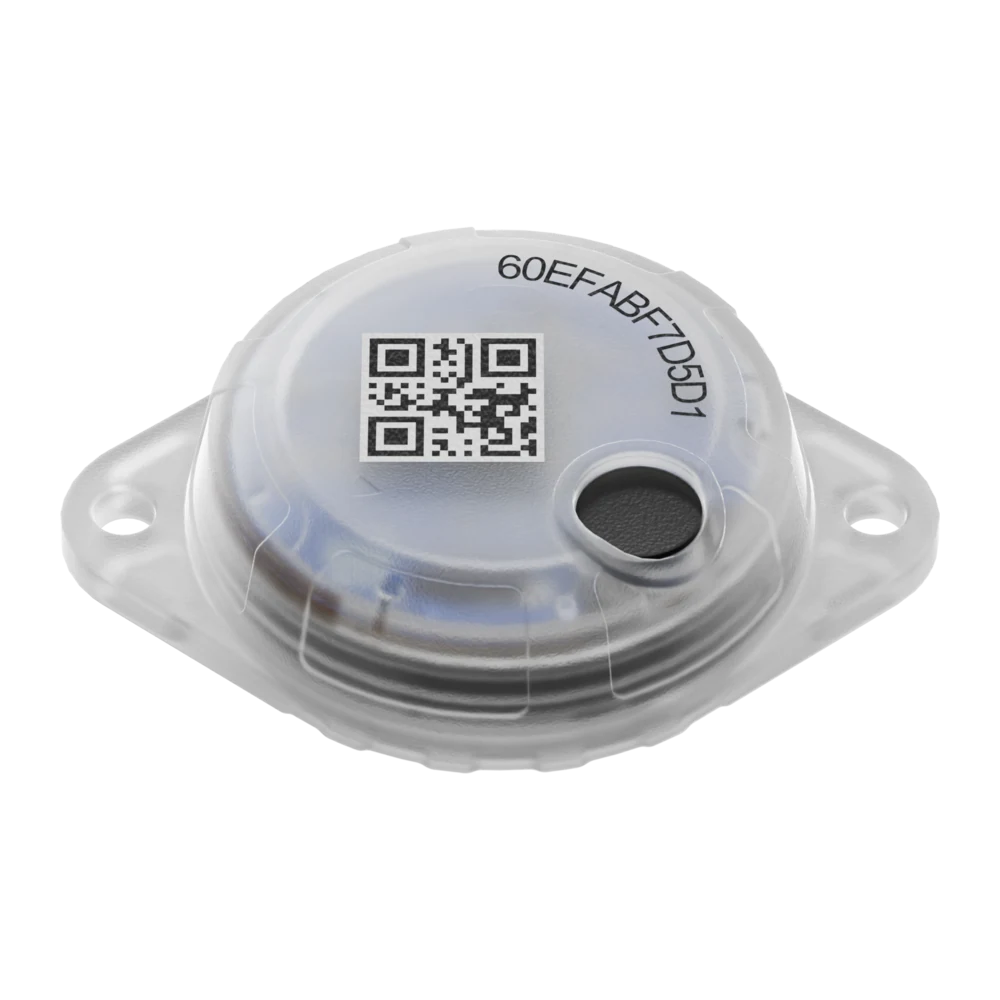
Bluetooth® Low Energy tag with temperature/humidity/orientation/shock/magnet and LED
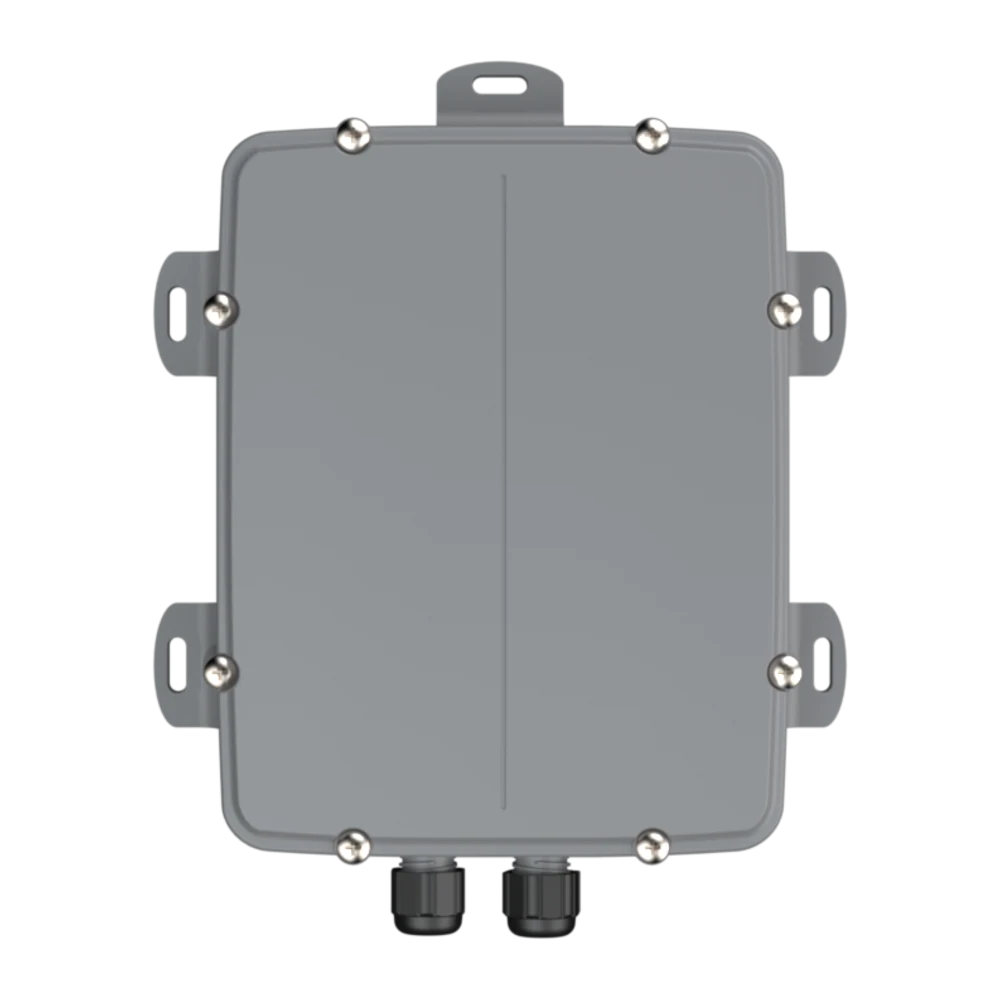
Hawk Housing (no Gore Vent), with 2× D cell LTC battery holder (no batteries)
Tell us what you run, where you run it and the risk profile. We'll match the hardware, platform and rollout plan to your operation.