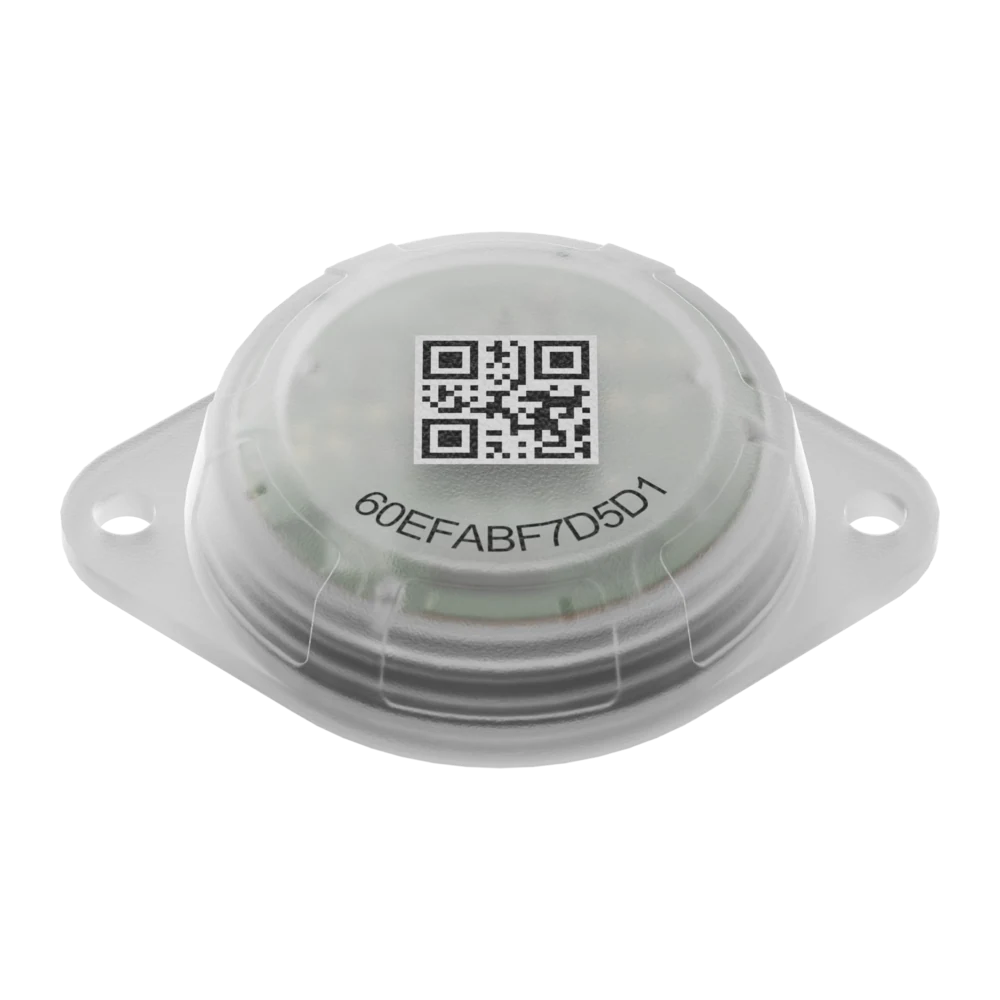
DOT-GLOW · Sensors
Dot Glow
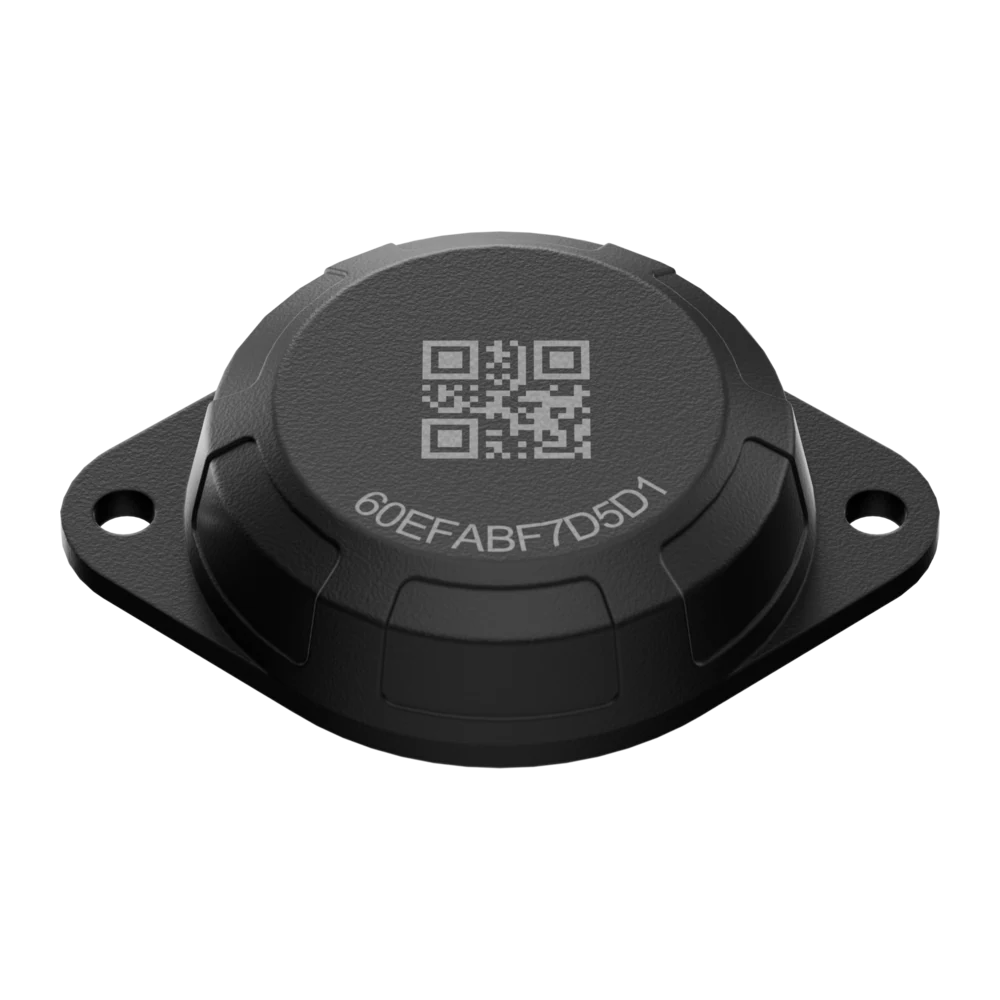
Bluetooth® Low Energy tag for asset tracking with high-brite LED
IN STOCK · ZAR
HomeSolutionsRemote Sensor MonitoringFuel Usage and Theft Monitoring
Operating layer · Solution
Detect siphons, night-shift drains, false refuels and consumption anomalies on South African bowsers, depot tanks and gensets. Pattern signatures, not litres alone.
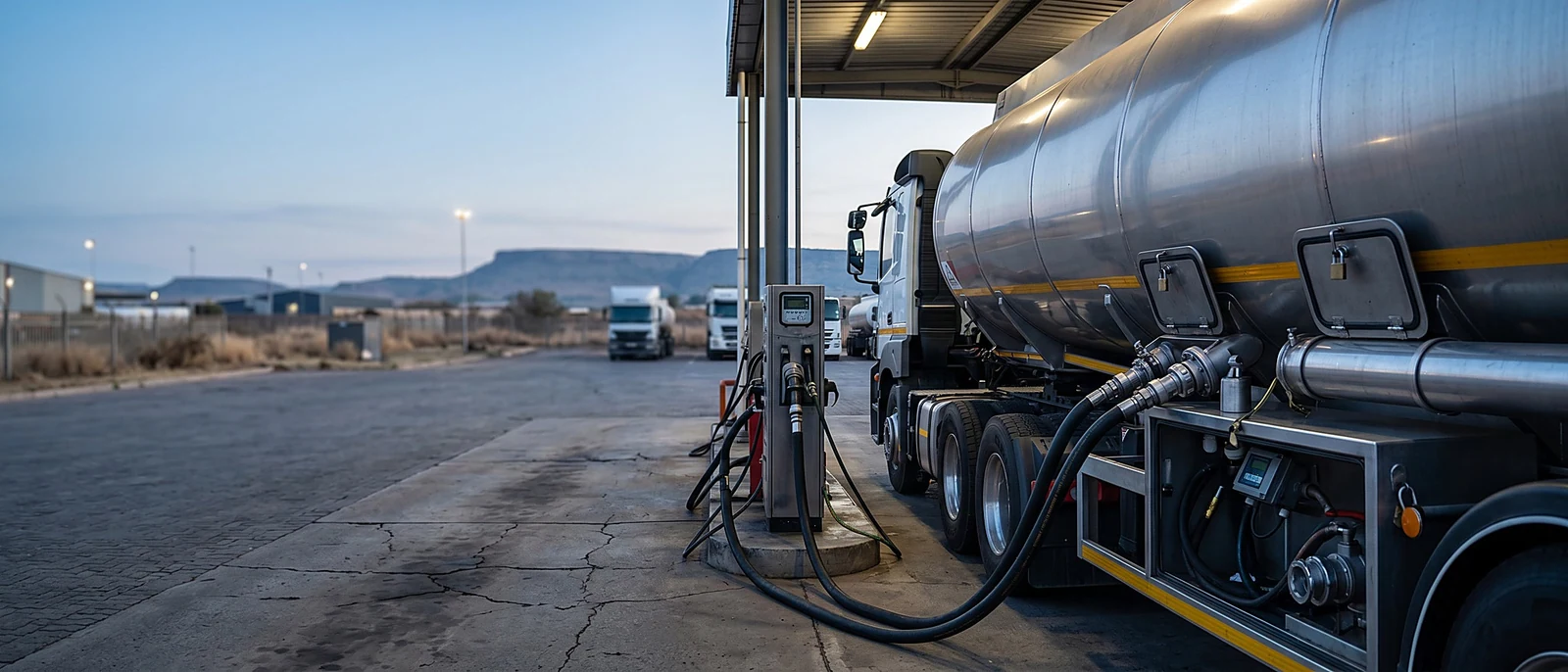
Continuous tank-level monitoring turns every change in litres into a named, time-stamped event with a position attached. Drops are classified by velocity and context, matched against logged dispenses and refuels, and surfaced on the dashboard as actionable signatures rather than raw numbers. A supervisor sees the pattern, the date window and the supporting graph, ready for the next operational conversation with the data already in hand.
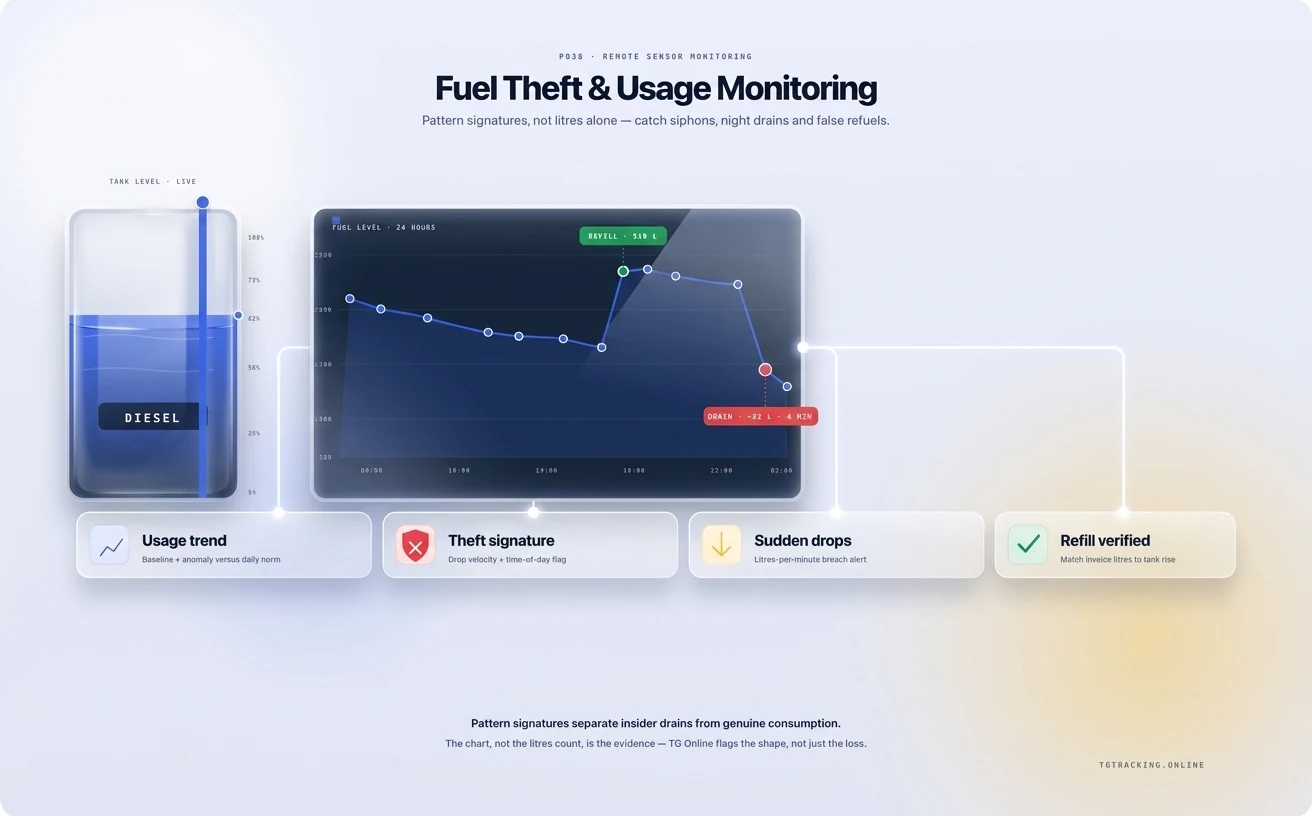
Fuel theft monitoring from TG Tracking is the pattern-detection layer of the Fuel Monitoring Sensors cluster. It reads continuous tank level, classifies drops by velocity and context, and surfaces siphon signatures, false refuels, night-shift drain patterns, consumption anomalies and tampering events as named alerts on TG Online. Pair with Fuel Tank Level Monitoring for the stock-visibility side, with Fuel Monitoring for the in-vehicle story, and with Wireless Fuel Bowser Tracking when the asset also needs location and recovery.
The real insight on insider theft is not a more accurate litre count. It is the recognition that drops have signatures. The platform classifies every drop event against three dimensions: drop velocity, location and geofence, and whether the drop matched a logged dispense or refuel record. The combination turns a number into an actionable conversation.
A 5-litre rapid drop in under three minutes with the asset stationary outside any logged dispensing geofence, no matching refuel record on any tracked vehicle, and no operator login on the dispensing pump is a siphon signature. The platform fires the alert with the signature labelled, not just the volume.
A recurring overnight drop on the same weekday window, week after week, with no operational explanation in the logs is a pattern alert rather than an event alert. The platform flags the recurrence so the conversation moves from "we lost some fuel last night" to "we have lost 1 540 litres on the 22:00 to 04:00 window across the last four Wednesdays" with the supporting graph attached.
A logged refuel event on a vehicle with no matching drop on the bowser or depot tank is a false-refuel signature. Either the dispensing record is forged, the level sensor on the dispensing tank is faulty, or fuel is moving outside the system. The platform flags the mismatch for review.
A vehicle whose km-per-litre falls outside its trailing-30-day baseline by a meaningful margin, with no route, load or driving-event explanation, is a consumption anomaly. The signature points at over-consumption, mid-route drain or fuel-card receipt manipulation depending on context. The fleet view of this story sits at Fuel Monitoring.
The platform's pattern detection produces the kind of evidence a supervisor or auditor can act on with confidence. A continuous, time-stamped level graph paired with the dispensing and refuel records turns a hunch into a structured report. The question moves from "did anything happen overnight" to "here is the pattern across the last four Wednesdays, attached with the supporting graph and the operator-roster overlap". External events still appear as named alerts in their own right, with the seal-break, gate-open or unauthorised-vehicle signature called out separately.
Pattern detection on tanks pairs with Fuel Tank Level Monitoring for the stock-visibility side and with Equipment Monitoring Sensors when generator runtime needs to be read alongside fuel-level pattern. Mine-site rollouts integrate with the Mining IVMS compliance frame, with industry-specific configurations under Industries we serve.
A rapid-drop event on a stationary asset outside any logged dispensing geofence, with no matching refuel record on a tracked vehicle. Velocity, geofence and reconciliation all need to align. The threshold is configured per asset rather than as a single national rule.
Yes. Pattern alerts trigger on recurring drops in the same weekday window across multiple weeks. The recurrence itself is the signal. The report attaches the supporting level graph and the operator-roster overlap.
The in-vehicle story is at Fuel Monitoring and reads from CANBUS or a tank sensor on the truck. This page reads from the static or mobile tank that the truck refuels from. The two share the data layer and reconcile against one another.
A matched refuel and drop is normal. A logged refuel with no drop signature on the dispensing tank is the anomaly. The platform flags the mismatch for review with both records attached.
Yes. Alerts are pushed to the right person with enough context to act. Thresholds fire fast on rapid drops and aggregate slow on recurring patterns.
Yes. Tamper, sensor-disconnect, vibration outside profile and signal-loss events fire as named alerts. A sensor that goes dark on a Tuesday night with no scheduled maintenance is itself a signature.
Continuous timestamped sensor data with a calibration record is the kind of evidence corporate and forensic investigations expect. Reports export with the full event detail.
Pattern signatures move the monthly fuel reconciliation from operator notes and stick-dips to a continuous record paired with the consumption sheet. The data is on the dashboard before the next conversation starts.
Long-life sensors for environment, equipment, fuel, refrigeration and water, feeding the same dashboard.
Bluetooth® Low Energy tag for asset tracking with high-brite LED
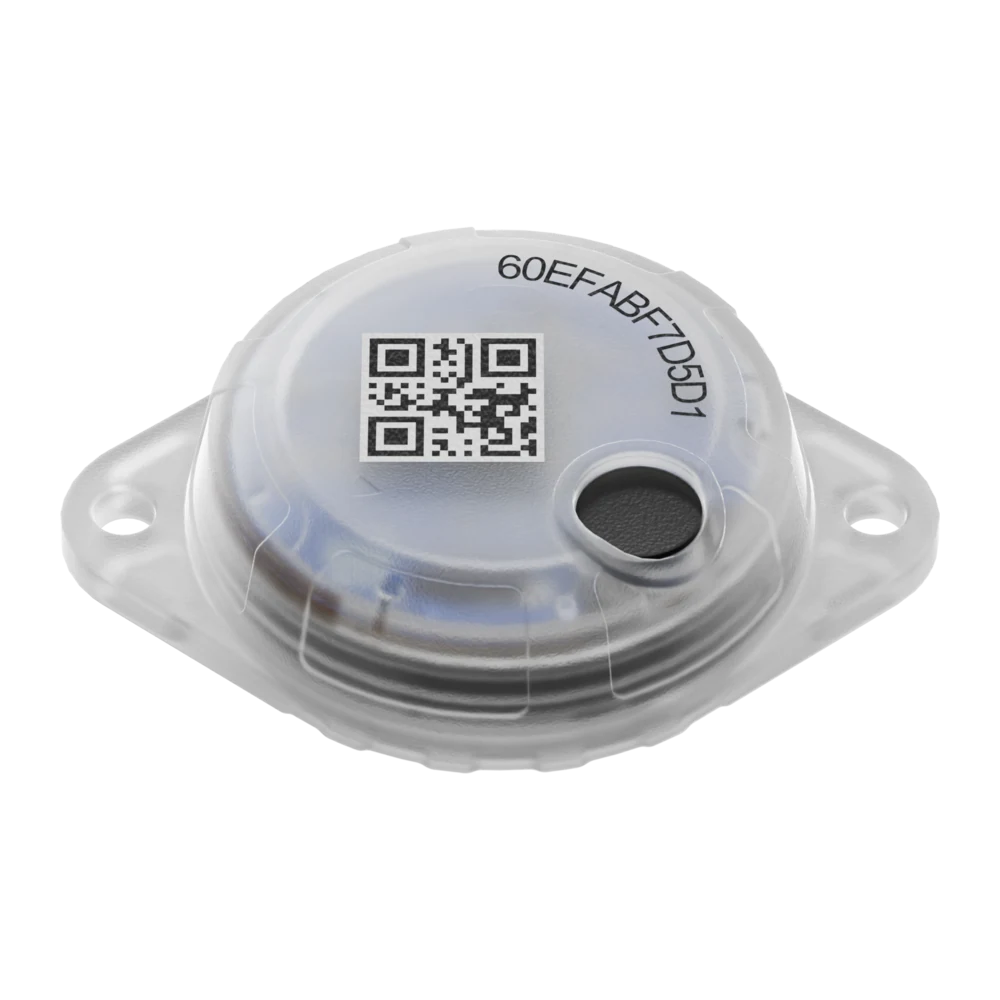
Bluetooth® Low Energy tag with temperature/humidity/orientation/shock/magnet and LED
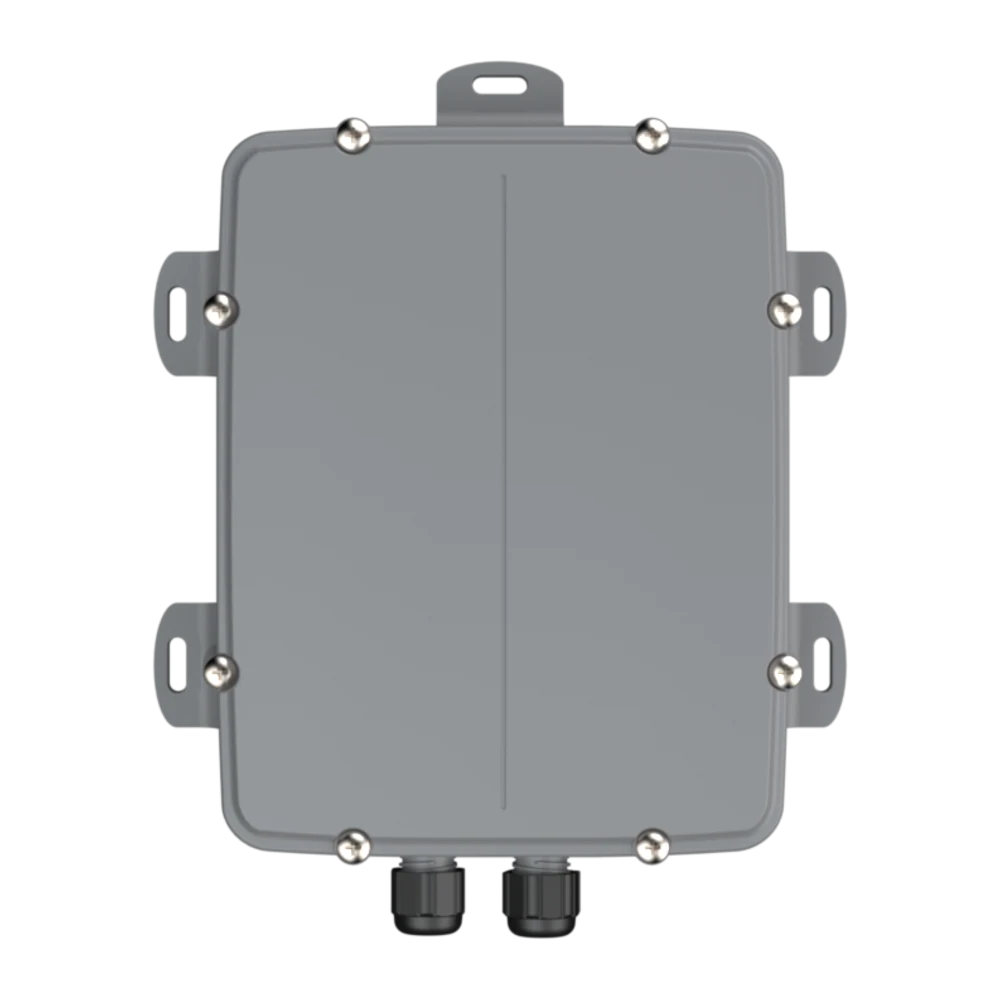
Hawk Housing (no Gore Vent), with 2× D cell LTC battery holder (no batteries)
Tell us what you run, where you run it and the risk profile. We'll match the hardware, platform and rollout plan to your operation.