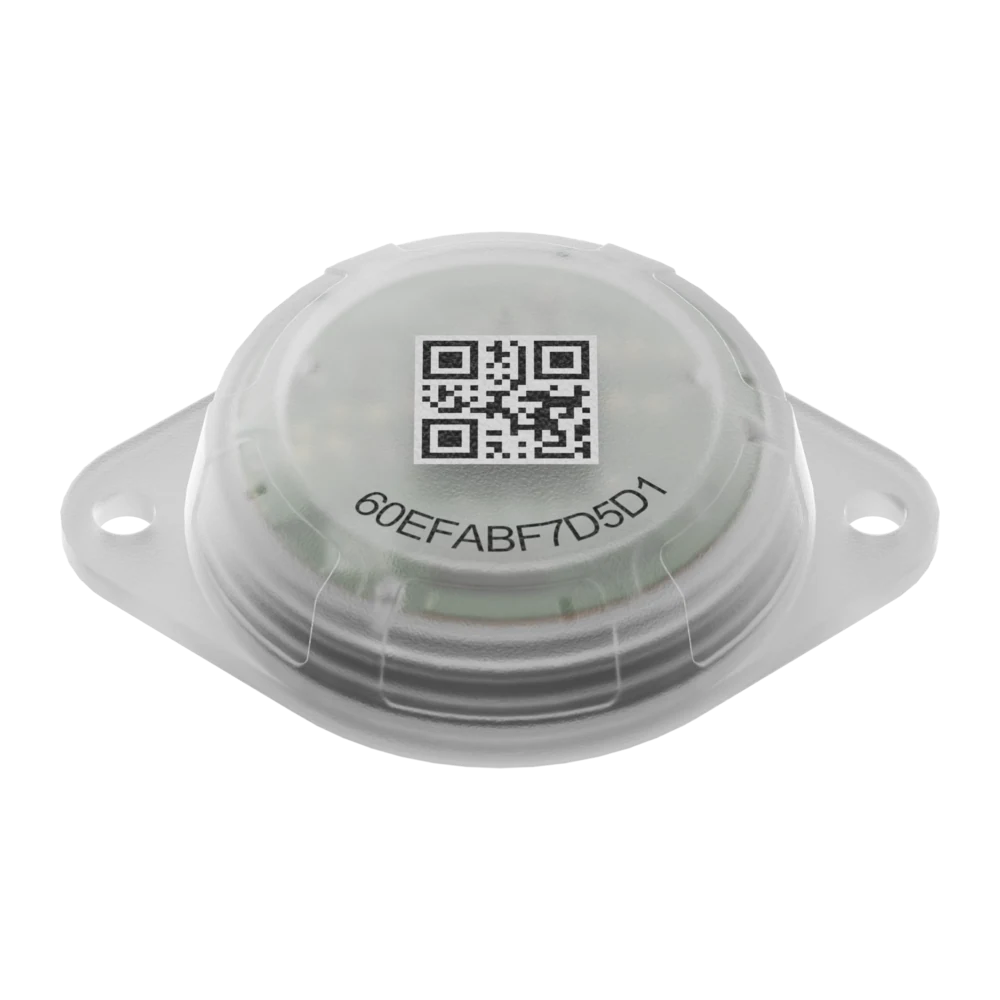
DOT-GLOW · Sensors
Dot Glow
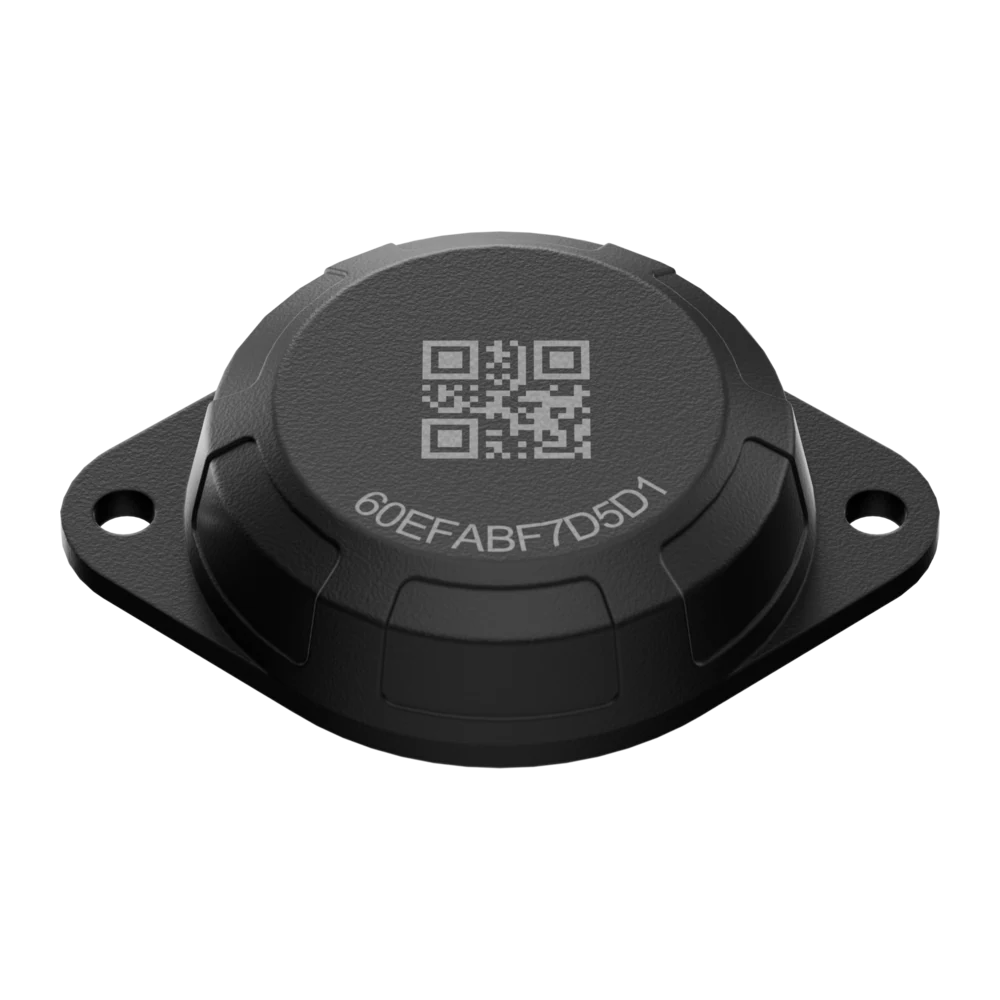
Bluetooth® Low Energy tag for asset tracking with high-brite LED
IN STOCK · ZAR
HomeSolutionsRemote Sensor MonitoringEquipment Monitoring Sensors
Operating layer · Solution
Live runtime, fault and threshold telemetry for generators, pumps, compressors and plant. Predictive maintenance and after-hours alerts on one platform.
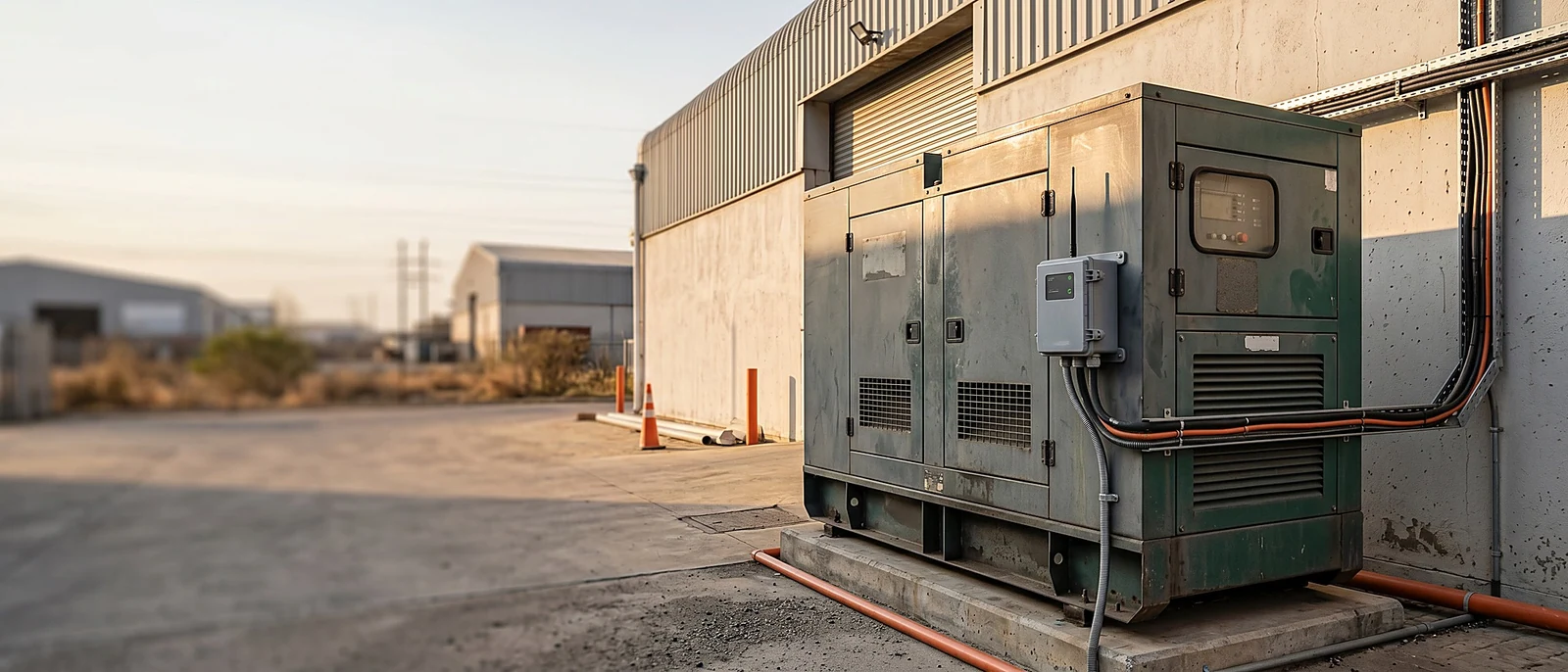
Continuous runtime, fault and threshold visibility on every generator, pump, compressor and rotary plant unit. A sensor on the equipment streams live hours, start-stop events, fault codes and condition signals to the platform, with the daily, weekly and monthly ledger against your operating budget already in place. The supervisor opens the dashboard at 14:50 on a Tuesday and sees the runtime, the trend and the next maintenance window on the same screen, so the decision starts ahead of the diesel reorder rather than behind it.
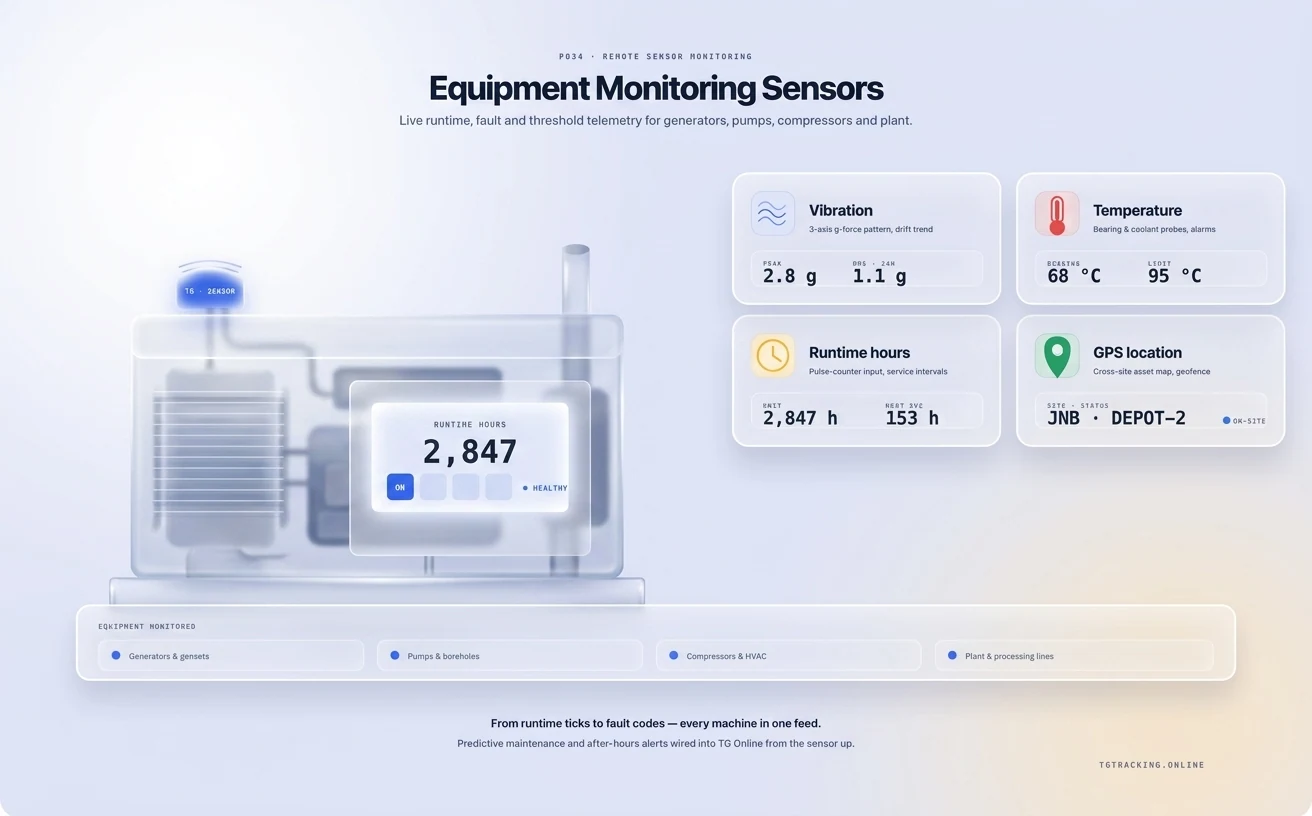
Equipment monitoring sensors from TG Tracking provide live runtime, start-stop, fault-code, threshold and after-hours telemetry for generators, pumps, compressors, flow meters and rotary plant. Data flows into TG Online alongside the rest of the Remote Sensor Monitoring catalogue. Pair with Wireless Generator Tracking when the asset also needs location and recovery, and with Fuel Monitoring when fuel level and runtime are read together.
Four signal classes do most of the work.
A pulse, voltage or current sensor wired to the genset, pump or motor reads on-state and counts hours. The platform converts that into a runtime ledger by day, week and month against your budget, with start-stop events written to history. The answer to "how many hours did the unit run last night" sits on the dashboard before the morning meeting.
A logger wired to the equipment's own control panel pulls fault codes via RS-485, Modbus or pulse output where the make supports it. Pressure transducers, flow sensors, voltage and current monitors layer threshold alerts: pump dry-run, low oil pressure, voltage dip, overload, abnormal flow. The alert fires when the breach happens, not at the next manual check.
The platform compares the runtime stream to the planned schedule and flags anything outside it: a dewatering pump running during a public holiday, a workshop compressor running at 23:30, a borehole pump cycling at 02:00 with no irrigation event logged.
Vibration, current draw and temperature trend over the life of the machine. Rising current draw on a pump motor is the early signature of bearing failure. Trend reports catch the drift before the breach.
A continuous runtime stream becomes the same number the operator, the workshop, the finance team and the customer all read from. A hire fleet billing per running hour converts the stream directly into invoice-ready data. A maintenance contractor demonstrates uptime against an SLA from the same continuous log. The depreciation schedule, the diesel budget and the service-interval calendar all run against one source rather than a clipboard read at the next visit.
Equipment sensors answer what condition the machine is in. Wireless Generator Tracking, Wireless Equipment Tracking and Asset Tracking and Recovery answer where the asset is and whether it has moved. A site genset usually carries both: the tracker for theft, location and geofence; the sensor for runtime, fuel level and fault codes. The combined record is what survives a Monday-morning question about why the unit was off for forty minutes.
Construction, mining contractor camps, agricultural irrigation, telecoms tower sites, water utilities, manufacturing plants, hire and rental fleets, and standby-power installations. The harsh-environment profile matters: dust on a Free State site, heat in Upington, vibration at a Mpumalanga colliery, salt air at a Cape pump station. Sensors and loggers are rated for outdoor industrial exposure across that envelope. Mine rollouts sit inside the Mining IVMS frame, with configurations under Industries we serve.
Pulse, analog, 4-20 mA, RS-485, Modbus and digital inputs. That covers most third-party current, voltage, pressure, flow, vibration and temperature sensors.
Yes. Battery, solar or external power, sized to the reporting cadence and the duty cycle of the machine. A high-cadence vibration profile draws more than a low-cadence runtime read.
Where the equipment exposes RS-485, Modbus or a pulse output, the logger reads it directly. Where the equipment only exposes a relay, the logger reads on-state and runtime, with threshold alerts layered through external sensors.
No. The platform is an independent or complementary IoT layer rather than a replacement for plant SCADA. Sensor data can be pushed to an existing SCADA via API or webhook.
The tracking page covers location, geofence, theft and recovery. This page covers what the asset is doing while it sits there. Most generator deployments use both on one account.
The mechanical meter still works. The sensor adds a continuous remote stream, alerts on after-hours operation and a system-generated record that does not depend on someone reading the meter at the next visit.
Hire fleets that bill per running hour see the fastest payback because the sensor record converts directly to invoice-ready data. Fleets with chronic after-hours use also pay back fast. We scope the case against your own usage.
The equipment ledger moves from the clipboard to the platform, where the same record serves operations, workshop, finance and the customer at the same moment.
Long-life sensors for environment, equipment, fuel, refrigeration and water, feeding the same dashboard.
Bluetooth® Low Energy tag for asset tracking with high-brite LED
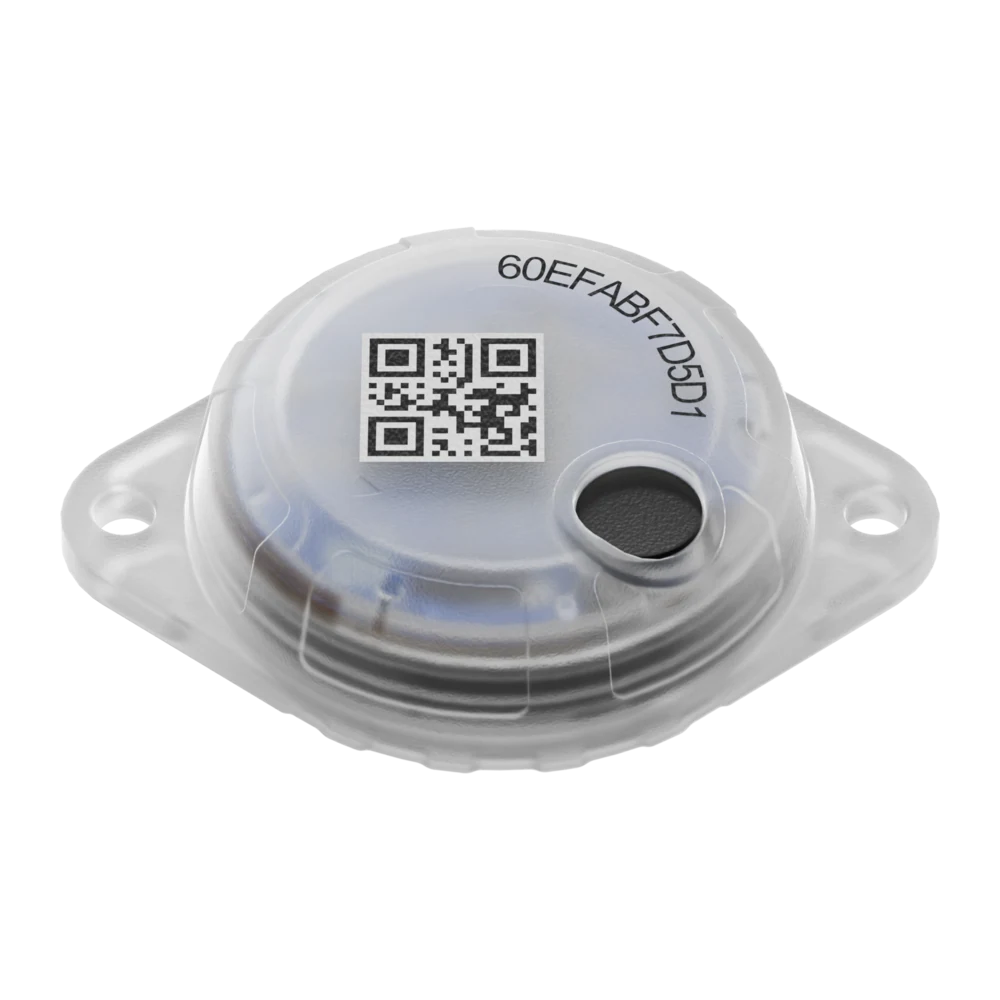
Bluetooth® Low Energy tag with temperature/humidity/orientation/shock/magnet and LED
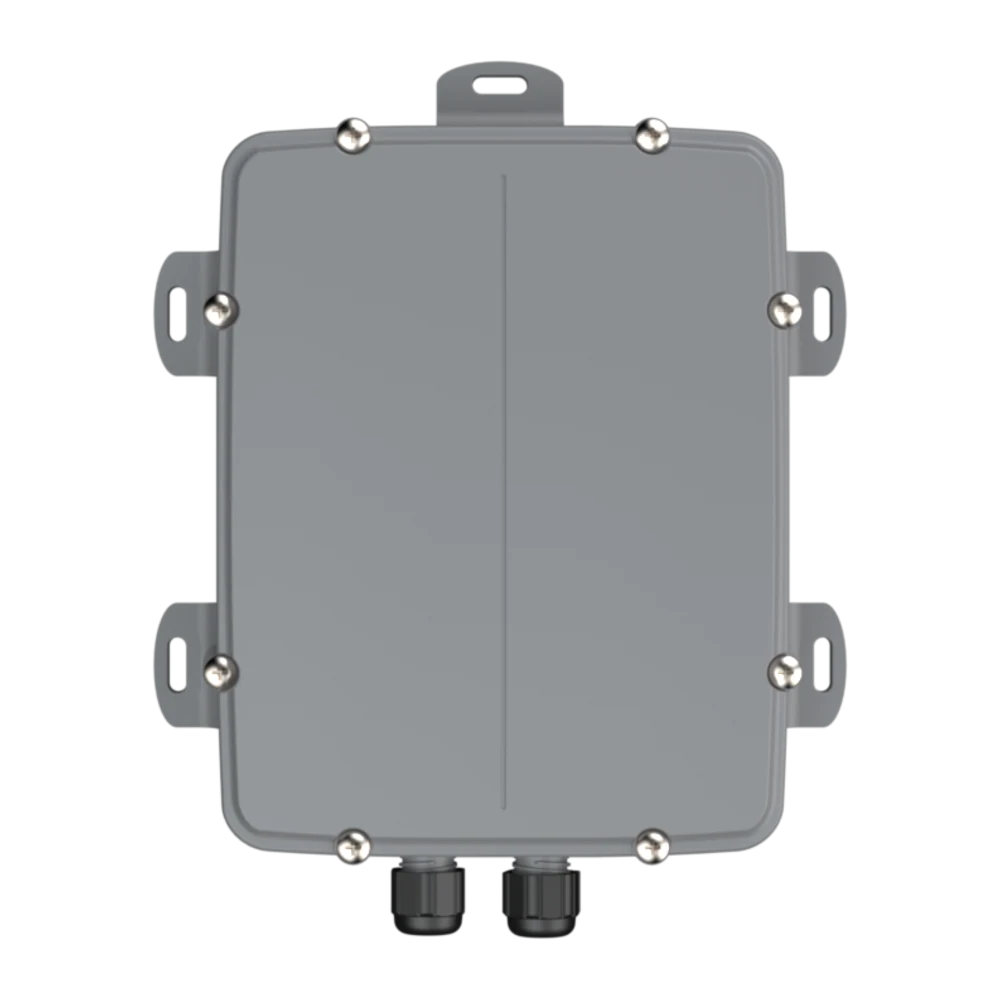
Hawk Housing (no Gore Vent), with 2× D cell LTC battery holder (no batteries)
Tell us what you run, where you run it and the risk profile. We'll match the hardware, platform and rollout plan to your operation.