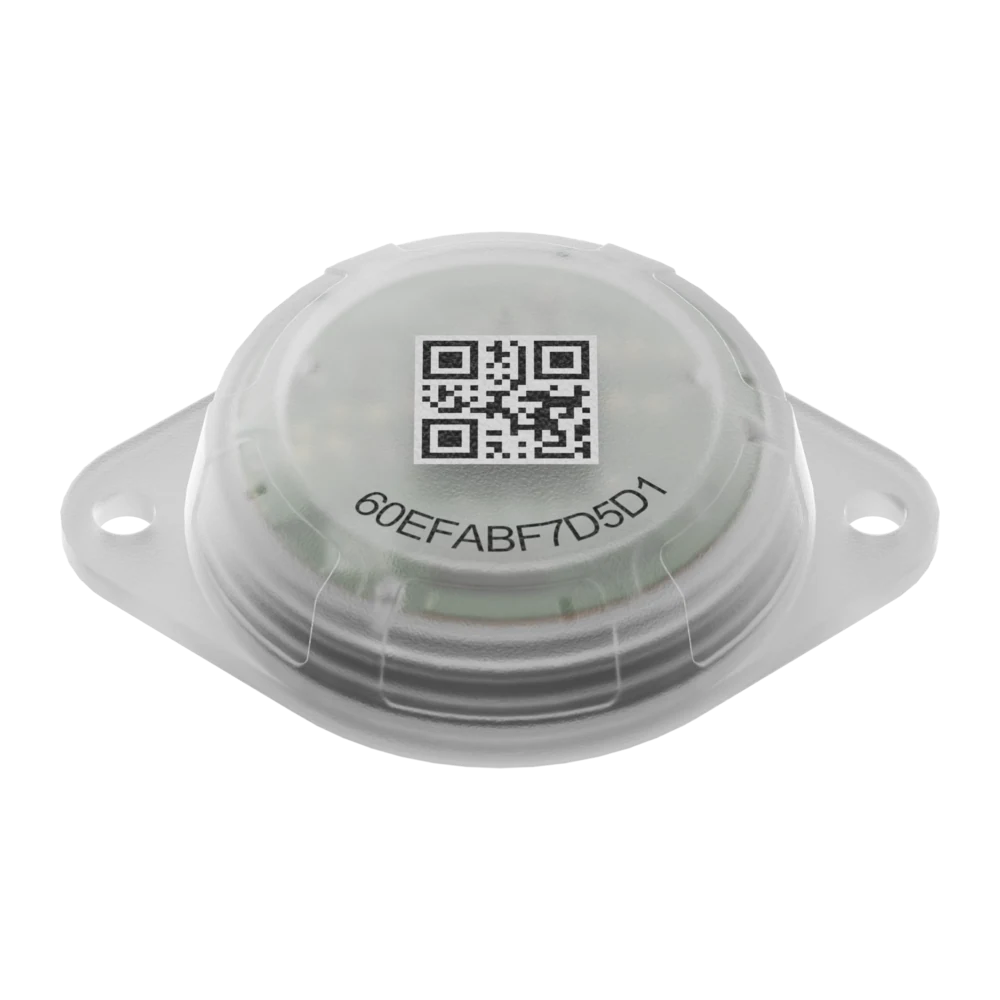
DOT-GLOW · Sensors
Dot Glow
Bluetooth® Low Energy tag for asset tracking with high-brite LED
IN STOCK · ZAR
HomeSolutionsRemote Sensor MonitoringEnvironmental Monitoring Sensors
Operating layer · Solution
Live dust, vibration, air quality, structural-health and weather telemetry for South African mining, industrial and outdoor operations. One platform.
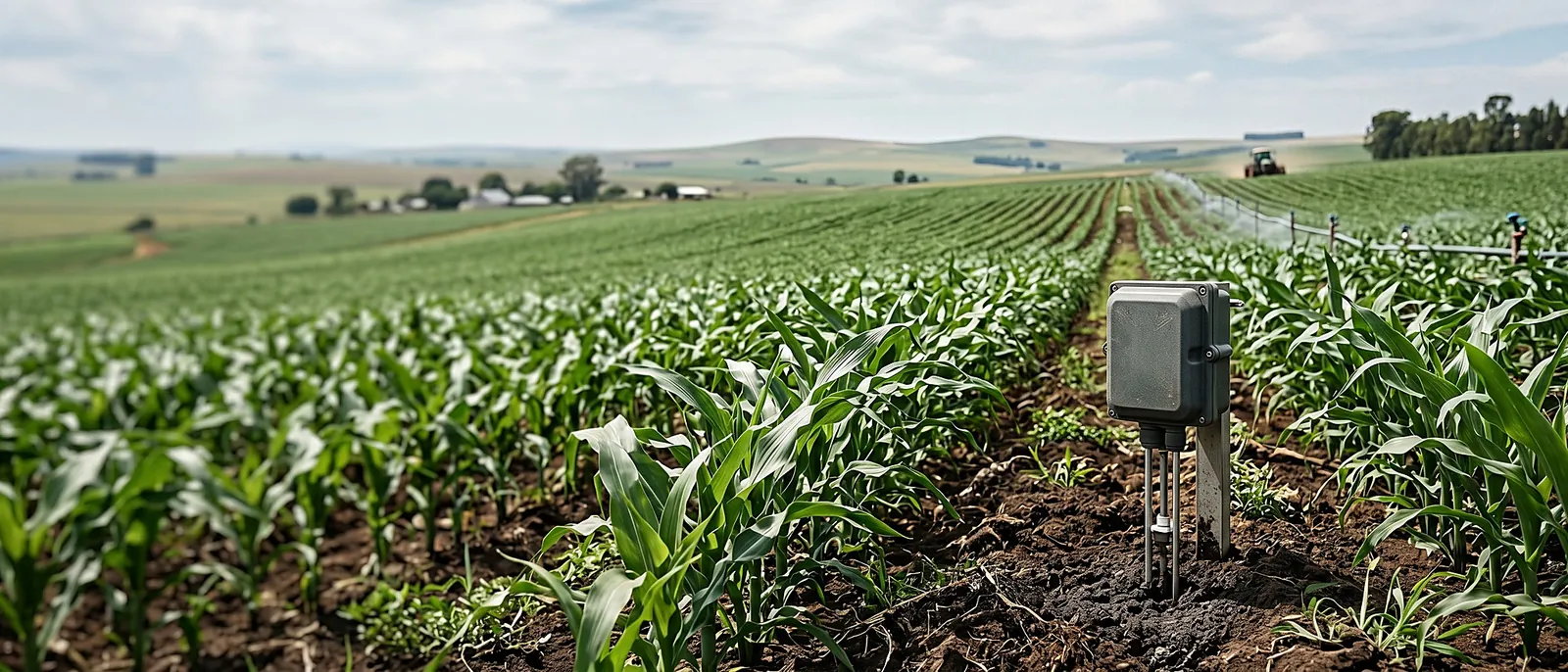
Mpumalanga, Wednesday 11:20, the environmental officer at a coal-handling yard receives a complaint from the neighbouring smallholding about dust drifting across the boundary. The current record on his desk is the previous week's manual reading, taken at 14:00 on a calm day with a hand-held dust monitor at one fence corner. The complaint is about Tuesday afternoon, in a 38 degree heat envelope, with a south-easterly wind off the haul road. He has nothing in writing for that hour, that boundary or that wind direction. By the time the next compliance officer arrives, the conversation will be the officer's word against a smallholder's word. Continuous environmental telemetry is the layer that turns this into a defensible record before the next complaint lands.
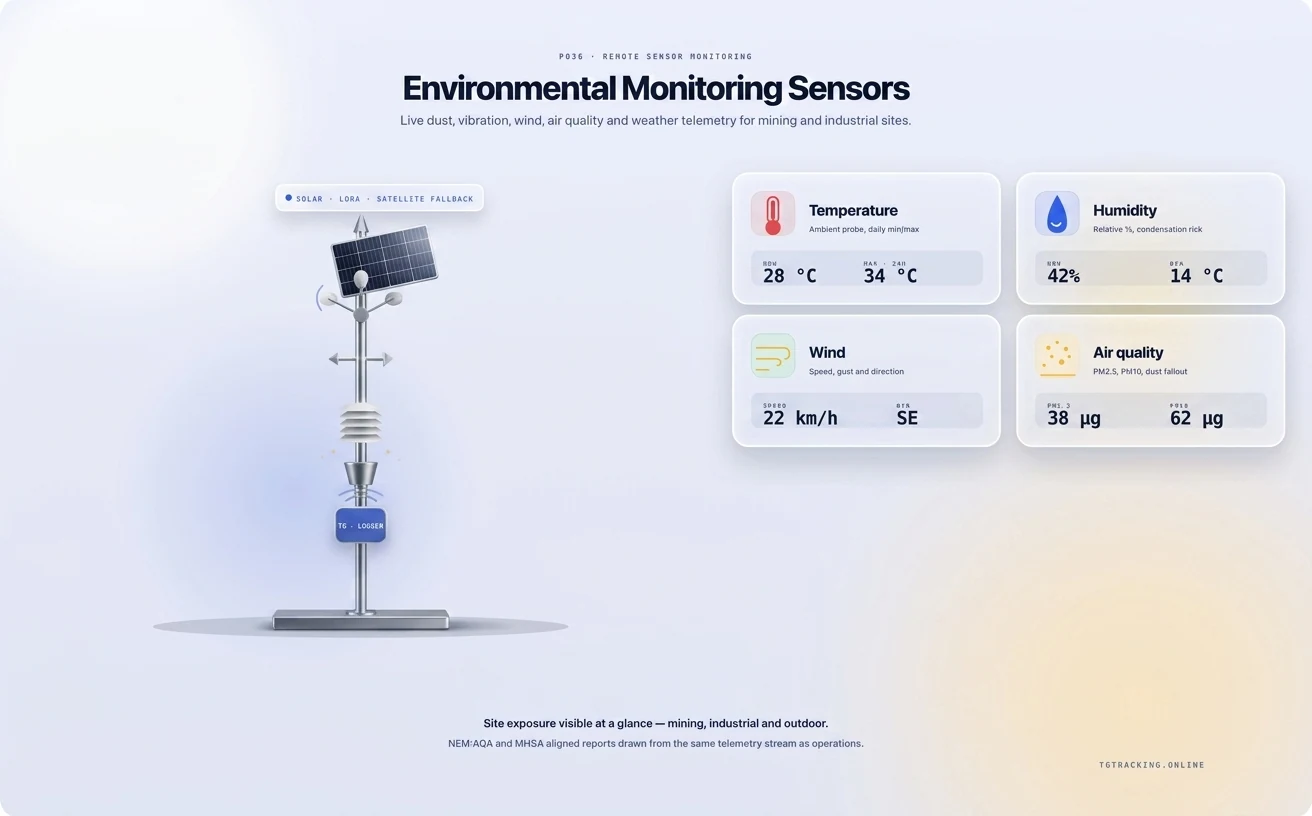
Environmental monitoring sensors from TG Tracking deliver live dust, vibration, air-quality, structural-health, weather and indoor environmental telemetry across mining, industrial, warehouse and outdoor sites. Data feeds TG Online on the same platform as the rest of Remote Sensor Monitoring. Cold-chain pages cover food, pharma and IT loads under Temperature and Cold Chain Monitoring, with Server Rooms the closest cousin for IT operators. This page covers the industrial and outdoor side.
Industrial and outdoor deployments lean on five signal classes that the cold-chain pages do not cover.
Particulate-matter sensors at boundary fences, haul-road exits and processing plants read PM2.5, PM10 and total suspended particulates against compliance thresholds. Continuous measurement at a fixed point with timestamp gives the environmental officer a defensible record per hour, per shift and per wind direction rather than a snapshot taken on the day the inspector visits.
Accelerometers on a gantry, conveyor support, blast-affected wall, bridge bay or critical machinery foundation read vibration over time. Threshold alerts catch sudden events, blast spikes and equipment imbalance. Trend reports catch slow structural drift on a tailings wall, a stockpile retaining wall or an industrial gantry that nobody is going to inspect every morning.
Heat envelope, humidity and dew point matter to outdoor industrial operations beyond the cold-chain envelope. A Karoo distribution yard hitting 42 degrees with 18% humidity is operating in a different work-rate regime from a Durban yard at 30 degrees and 78% humidity. The platform records the operating environment continuously rather than relying on a daily logbook.
A weather station with temperature, humidity, wind speed, wind direction, rainfall, barometric pressure and solar radiation feeds live conditions into operational planning. Open-cast mining stops on a wind threshold, construction stops on a rainfall threshold, a logistics yard sequences forklifts on a heat threshold. The data backs the operational call.
Warehouses, processing halls, manufacturing floors and underground sections that are not on the cold-chain envelope still need indoor temperature, humidity and air-quality data. Heat exposure for staff, condensation risk on stored goods and indoor air quality on a paint or coating line are all sensor cases that share the platform without belonging in cold-chain.
Environmental compliance in South African mining and heavy industry runs on continuous record-keeping. NEM:AQA air-quality reporting, MHSA workplace-environment requirements and SANS 10328 structural-vibration limits each ask for evidence over time, not snapshots. Manual logging is slow, expensive and easy to dispute. Sensor data with a timestamp and a calibration certificate is the record that survives an audit, a community complaint and a regulator visit. The platform feeds the report layer in formats the compliance officer can present without re-keying.
For mine-site rollouts, this layer integrates with the Mining IVMS compliance frame, with industry-specific configurations under Industries we serve. Cold-chain food, pharma and IT operators sit on the Temperature and Cold Chain Monitoring pages, which share the data layer with this one.
Particulate-matter sensors, accelerometers, gas sensors, anemometers, rain gauges, temperature and humidity probes, barometric pressure transducers and solar-radiation sensors. The data logger reads SDI-12, 4-20 mA, RS-485, pulse and digital inputs across that family.
No. Cold-chain food, pharma and IT loads sit on the Temperature and Cold Chain Monitoring pillar. This page covers industrial, mining, outdoor and warehouse environments outside the cold-chain envelope.
Continuous timestamped measurement against a calibrated baseline produces a defensible record. The platform exports reports aligned with the requirements of NEM:AQA air-quality submissions, MHSA workplace-environment record-keeping and SANS 10328 structural-vibration limits.
Yes, where rated for outdoor industrial exposure. The hardware is housed in IP-rated enclosures with anti-corrosion finishes and operating-temperature ranges sized to South African conditions. Specific spec is on the datasheet.
Yes. Accelerometers at threshold distances around the pit edge or community boundary record blast-induced vibration with a timestamp. The record supports both the post-blast compliance submission and any community-complaint follow-up.
Data feeds TG Online on the same map view as your fleet, your wireless assets and your other sensor categories. Reports export via API and webhook into your existing BI tool or SHEQ system.
Yes. Battery and solar power options run a weather station off-grid for extended periods. Cadence is sized to balance data resolution against power consumption.
If your environmental record today is a clipboard, a hand-held meter and a Wednesday-afternoon site visit, this layer is what the next inspector will be asking for.
Long-life sensors for environment, equipment, fuel, refrigeration and water, feeding the same dashboard.
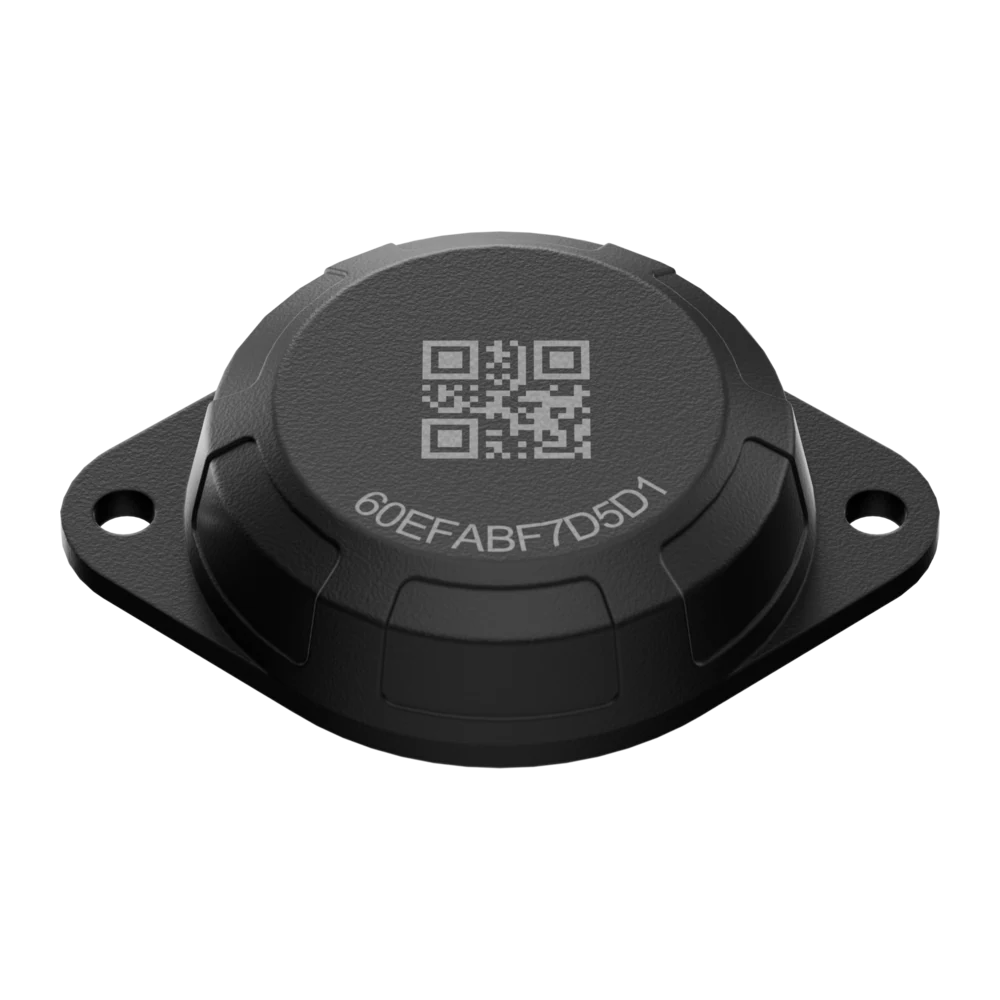
Bluetooth® Low Energy tag for asset tracking with high-brite LED
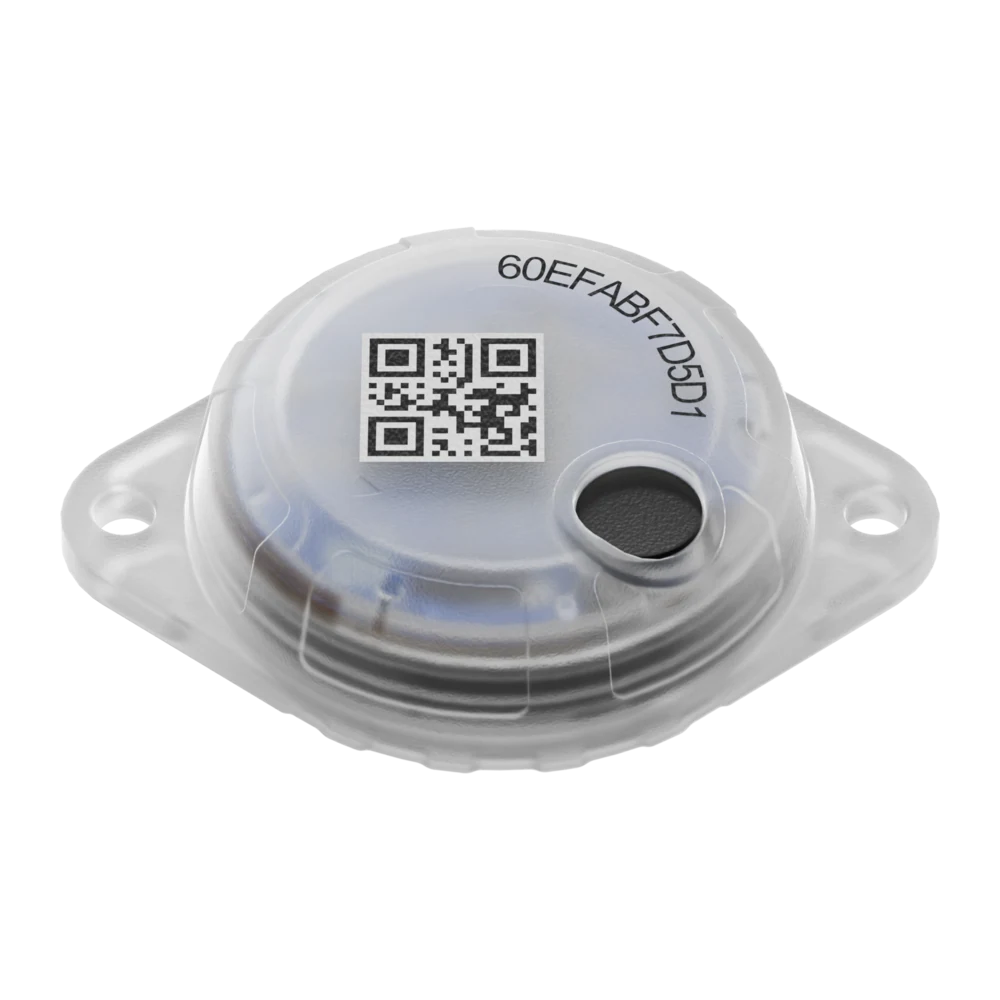
Bluetooth® Low Energy tag with temperature/humidity/orientation/shock/magnet and LED
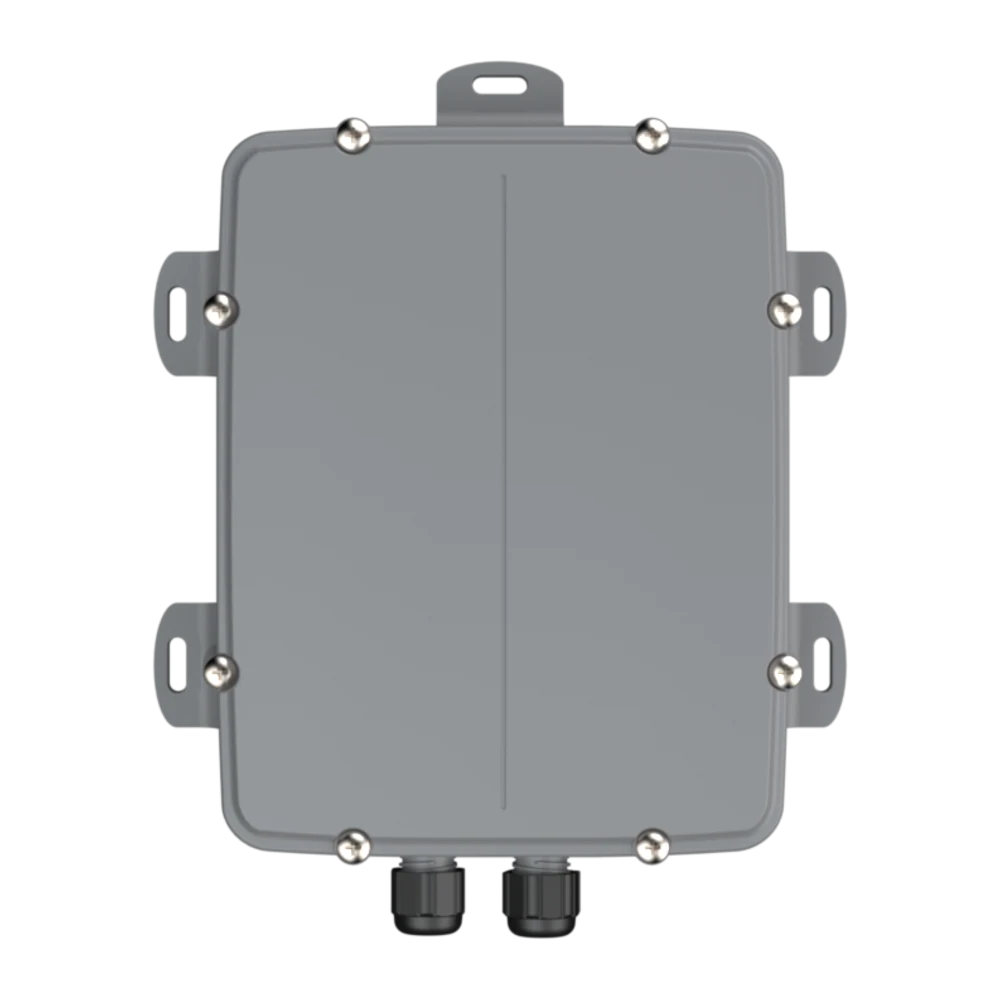
Hawk Housing (no Gore Vent), with 2× D cell LTC battery holder (no batteries)
Tell us what you run, where you run it and the risk profile. We'll match the hardware, platform and rollout plan to your operation.