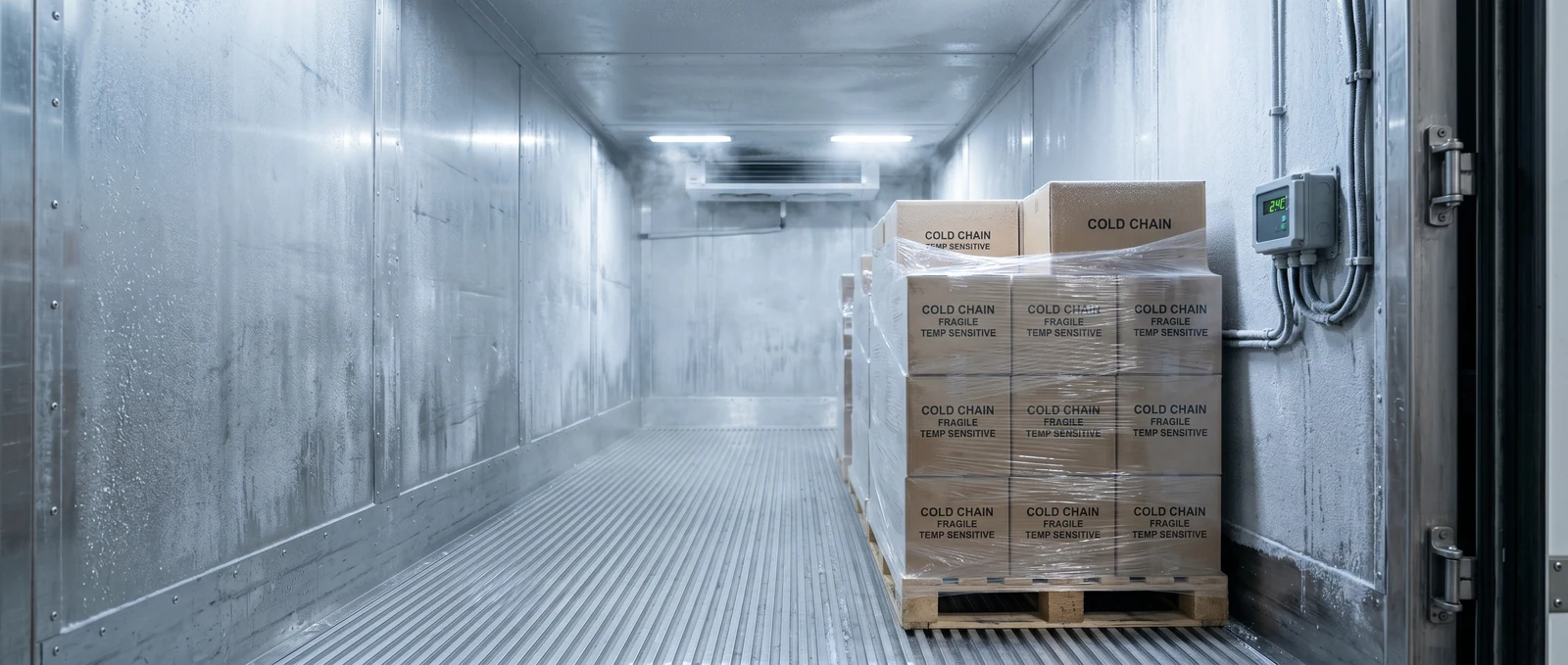
A Boksburg meat processor runs five rooms on three production days a week: deboning at 2 degrees, mince at 4 degrees, packing at 6 degrees, blast freezer at minus 18, holding at 0. The audit binder is three Excel spreadsheets, a wall clipboard with hourly hand-written readings, and a senior QA officer who keeps the institutional memory of which sensor reads true and which one drifts. External audit Wednesday morning. The grocery customer's QA team arrives at 09:00 and asks for the temperature record on the deboning room for last Thursday between 11:00 and 14:00, the room where Friday's pallets were prepared. The QA officer is on leave. That is the gap this page closes.
Direct answer
Food production temperature monitoring from TG Tracking puts continuous, time-stamped probes across every processing room, prep area, mixing zone, packing line, holding room and pasteuriser, with humidity overlays and equipment-failure alerts that build the HACCP-style audit trail your QA team is asked for at every external audit. The platform sits inside Temperature and Cold Chain Monitoring and joins the upstream cold storage, downstream refrigerated transport and reporting layers in one stack under Business solutions.
Audit-trail compliance is a daily operational problem, not a quarterly project
Most food producers think of HACCP audits as a quarterly event. The platform is built for the daily reality that turns into that audit.
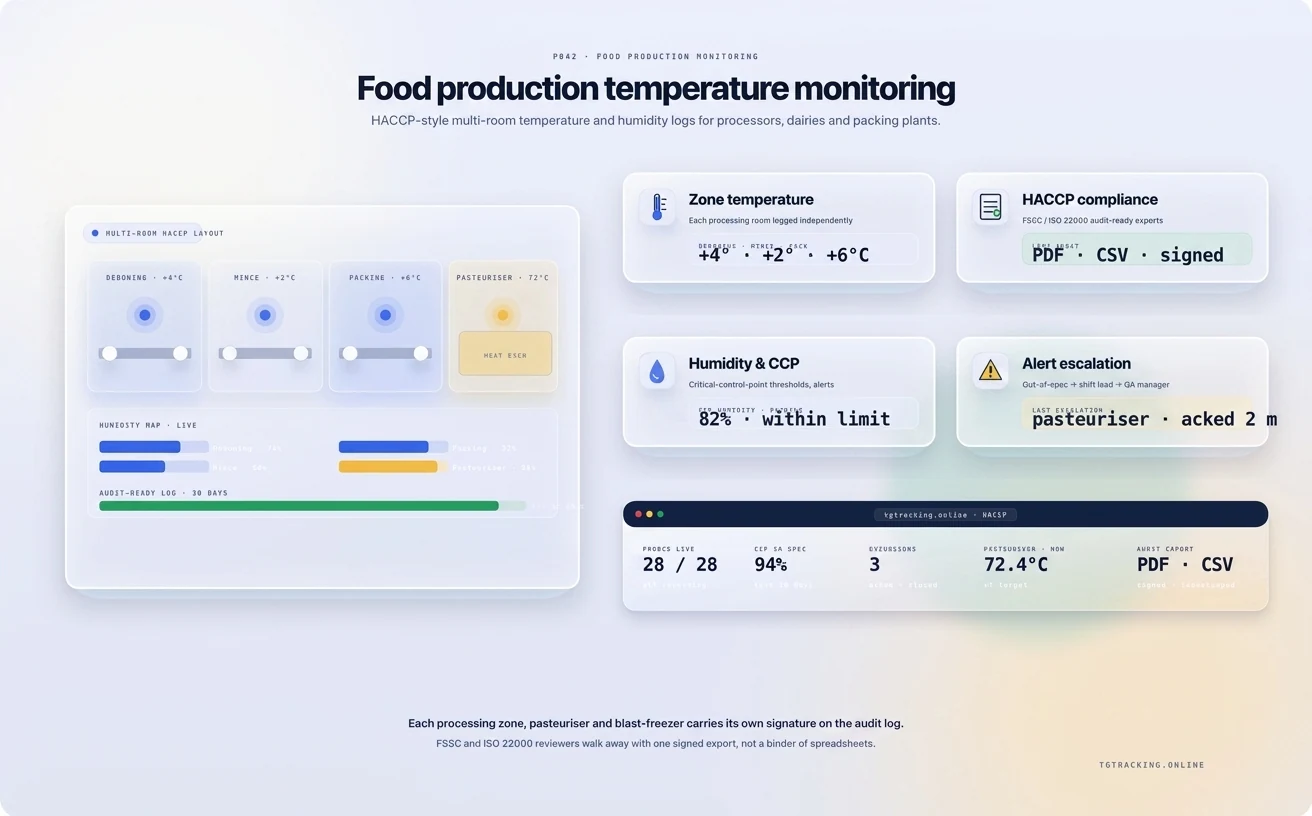
Multi-room spec compliance, room by room. Deboning at 2 degrees and mince at 4 degrees are different cold environments. A single facility-level sensor hides drift. Per-room probes write per-room logs and fire per-room alerts, so a 30-minute drift in deboning while mince holds spec is caught rather than averaged away.
Hold-time and temperature on critical control points. Pasteurisers and cooling tunnels have a regulatory hold-time spec that is the difference between a passed audit and a recall. The probe records the curve, hold duration and recovery on every batch, with no manual transcription.
Equipment-failure alerts that catch the silent drift. A blast freezer icing up its coils does not stop working; it gets slower. The deviation alert fires on the slow drift, not just the sudden break. Maintenance sees a ticket before QA sees a record problem.
Where HACCP, R 638 and the retailer audit meet on the production floor
Food safety regulation in South Africa pulls from several frames at once. HACCP principles, the Foodstuffs Act regulations including R 638 and R 962, FSSC 22000 and ISO 22000, and supplier-specific audit standards each retailer pushes down. The platform exports the audit-grade record in formats that match each frame.
The continuous log per room covers the HACCP-style record auditors expect. The deviation log with cause, duration and recovery covers the corrective-action documentation R 638 implies. The customer-share export covers the retailer's audit pack.
A producer supplying a major SA grocery group, an export buyer and a hospital catering contract is auditing against multiple standards on one site. One platform, one log, multiple export templates is the difference between three parallel record systems and a QA team running the floor.
South African production-floor context
South African food production happens at scale in specific corridors. The Western Cape dairy belt runs pasteurisers and packing lines on a tight regulatory frame. The Highveld meat cluster runs multi-room deboning, mince and packing. KZN seafood producers run blast freezers and hold rooms. Each cluster has its own retailer pressure and seasonal load.
The platform handles those realities. Multi-room configuration covers the typical 5 to 25 rooms on a site. The audit-log export cuts to per-room, per-shift, per-day, per-batch. Upstream Cold storage and downstream Refrigerated transport join the production record into one chain. On-site mobile assets sit on Asset Tracking and Recovery and Wireless asset tracking. Ambient and utility conditions sit on Environmental sensor monitoring under Remote sensor monitoring. See also Server rooms, Farming temperature monitoring, Business Intelligence Dashboards and Industries we serve.
Frequently asked questions
How many production rooms can I monitor on one site?
A multi-room plant with 25 rooms runs as one site with per-room probes, per-room alert profiles and per-room exports inside the same audit-log file.
Does the platform replace my paper temperature log?
Yes. The continuous time-stamped per-room log, with deviation events and corrective-action notes, replaces the wall clipboard. The hourly hand-written check becomes a system-of-record audit trail.
Can I generate a HACCP-style export for a specific batch?
Yes. The export filters by date range, room, line and batch. A QA officer asked for last Thursday's deboning record between 11:00 and 14:00 has it on screen in seconds.
How does humidity factor in?
Humidity drift on processing rooms, ready-meal hold zones and bakery production matters as much as temperature. Dual probes record both, with alerts on either spec breach.
What about pasteuriser hold-time?
The pasteuriser probe records the curve through the hold, start and end temperature, hold duration and any deviation. The log reads as a compliance record per batch, not a per-shift average.
Will the system handle wash-down environments?
Yes. The probes are rated for food-grade wash-down conditions. The right device for your wash-down protocol is decided during onboarding.
Can I share an audit pack directly with my retail customer's QA team?
Yes. Customer-share links and per-supplier audit packs are part of the platform, with scope, duration and detail configurable per customer.
Make the audit a download, not a project
If your retailer, your inspector and your export buyer all ask for the same record in three different formats, the system you choose turns the audit into a click.
Recommended hardware
The right tracking layer for food production temperature monitoring.
Vehicle, asset, driver and reporting hardware tuned to the way real businesses run fleets.
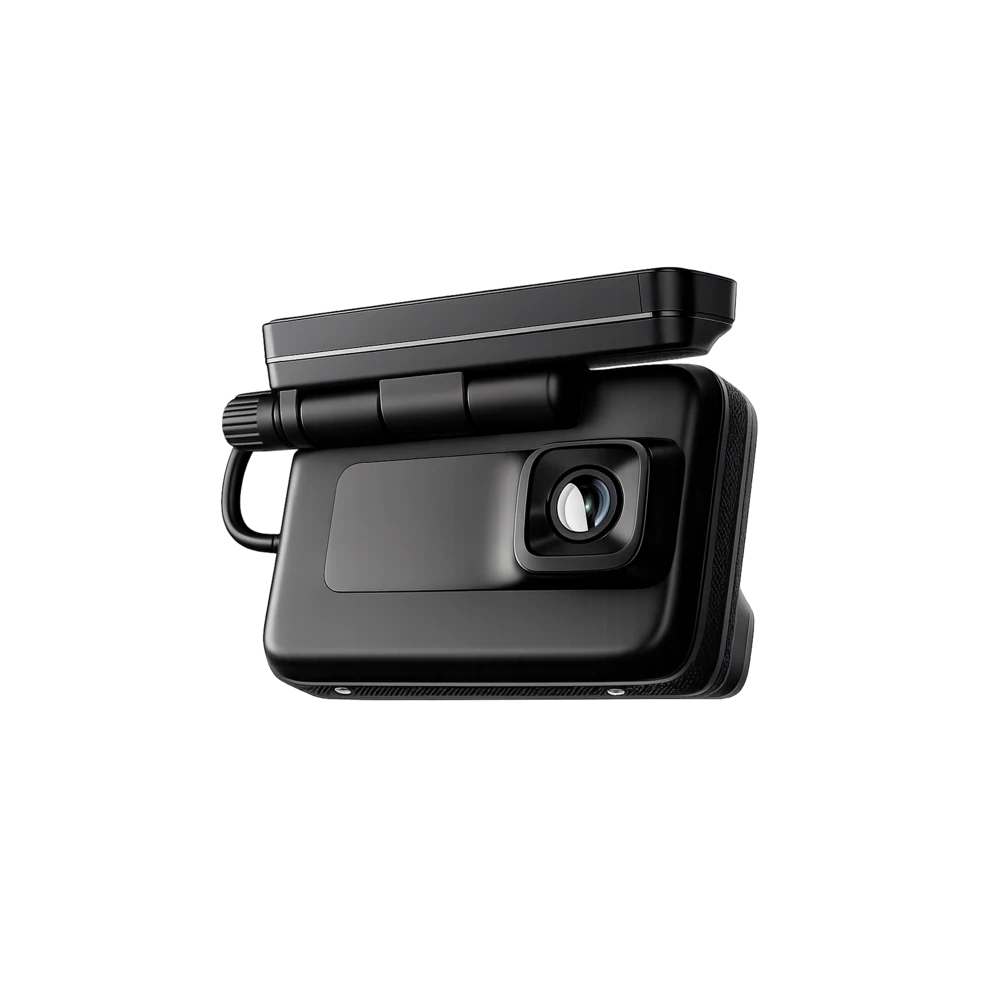
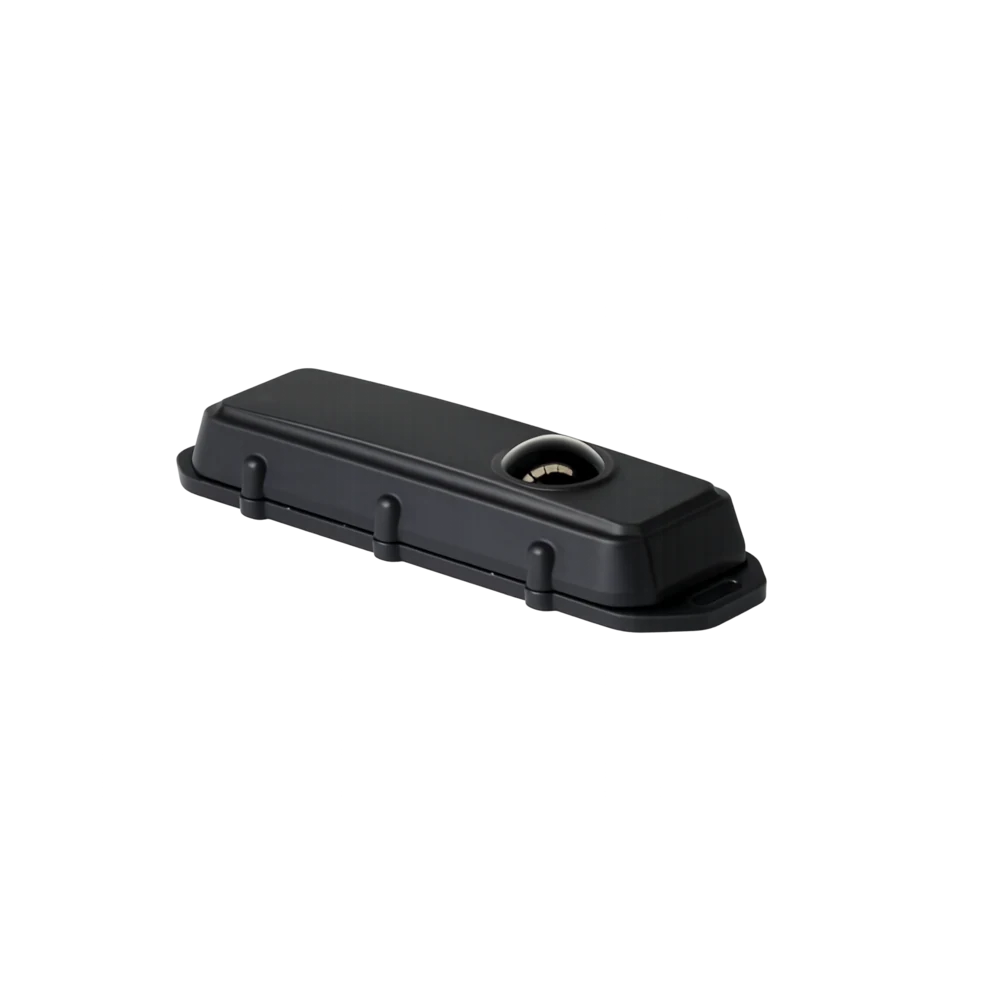
BARRA-RADAR-BLE · Wireless trackers
Barra Radar BLE
Object and Level Detection via Radar Bluetooth device in Barra form-factor (batteries not included)
IN STOCK · ZAR
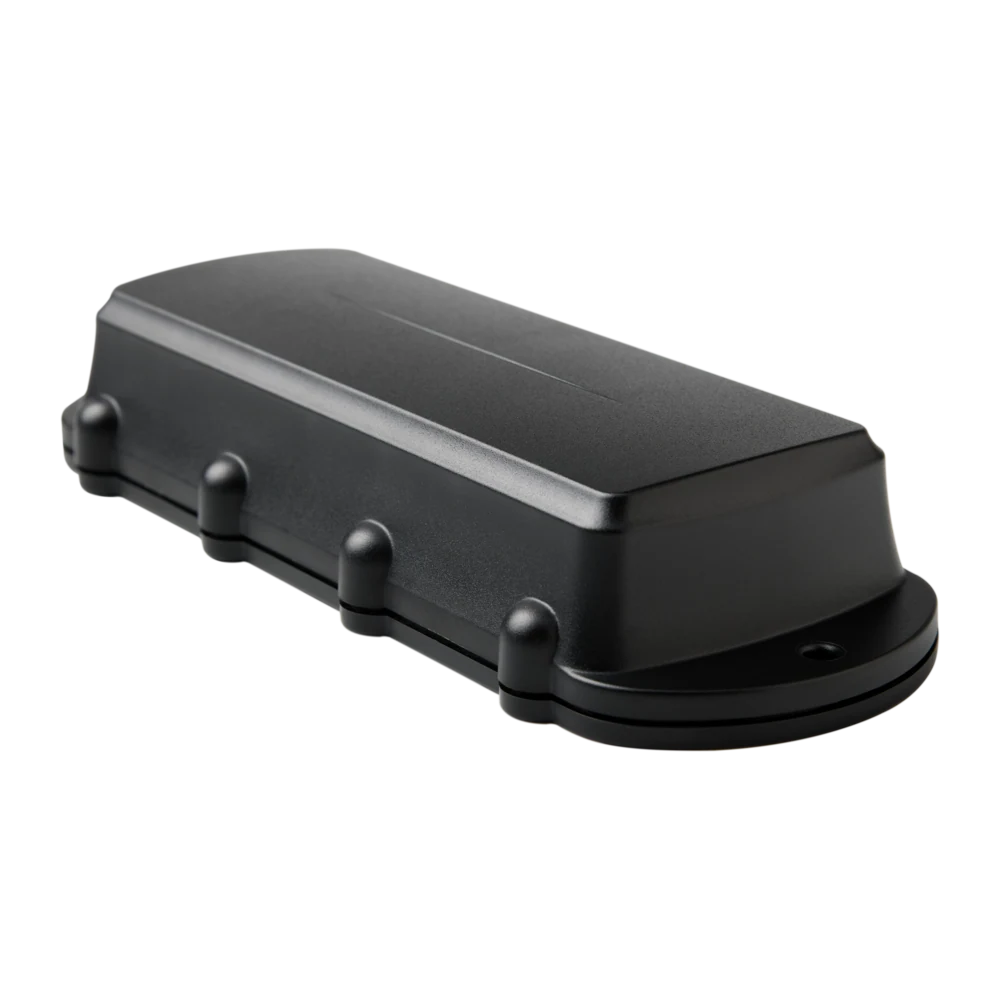
REMORA3-GLOBAL · Wireless trackers
Remora3 Global
Remora3 Global GPS tracker on 4G Cat1bis with 2G fallback, Bluetooth 5.2 gateway
IN STOCK · ZAR
More in Business
Business overview
Related business solutions.
Talk to TG Tracking
Add Food Production Temperature Monitoring to your fleet operating layer.
Tell us what you run, where you run it and the risk profile. We'll match the hardware, platform and rollout plan to your operation.