HomeSolutionsSafety, Compliance & RiskSpecialised Sensors
Operating layer · Solution
Specialised Sensors
Panic buttons, fatigue add-ons, door, cargo, fuel, tyre, hazmat and breathalyser sensors for South African fleets. Role-specific safety inputs on one platform.

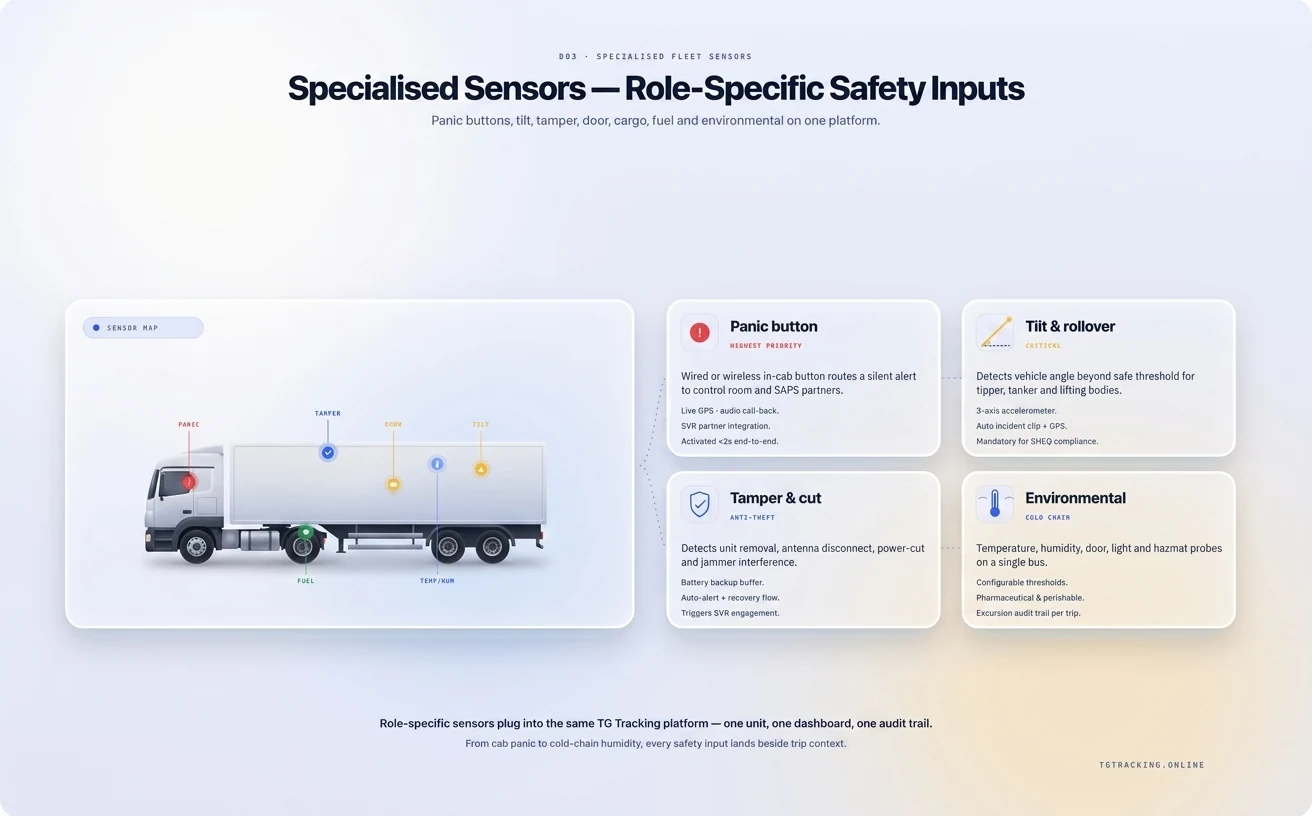
Friday afternoon, 16:40, a delivery driver outside a customer site in Booysens with two men he does not know moving towards him. He presses the panic button on the dashboard. The alert routes through the platform to the control room, which pulls the GPS, live trip, geofence and latest dashcam clip and dispatches inside the response chain at the same time. Twelve seconds from button press to dispatch. The panic alert is the moment a generic tracker becomes a role-specific safety system. Specialised sensors are the kit that turns generic tracking into the protection a particular driver, vehicle or cargo needs.
Direct answer
TG Tracking Specialised Sensors are the role-specific sensor inputs inside the Fleet Safety, Compliance and Risk cluster. Panic buttons, driver fatigue add-ons, seatbelt, door, cargo, tyre pressure, fuel-level, anti-siphon, tilt, shock, breathalyser interlocks and hazmat sensors. They sit alongside AI Fleet Dash Cameras, DMS, ADAS and Peripheral Cameras and feed TG Online.
How specialised sensors differ from cluster-level sensor monitoring
Remote Sensor Monitoring covers site-level tanks, water, environmental and industrial sensors. Specialised Sensors covers in-vehicle and in-cab sensors driving fleet-specific safety and compliance outcomes. A door sensor on a fixed cold-room is a remote sensor; a door sensor on a refrigerated trailer running Joburg to East London is a specialised fleet sensor. Same data, different role.
Eight sensor types in one product line
The hardware family is shared. Mounting, threshold and alert profile change by use case.
Panic button and emergency alert
In-cab or driver-carried button that fires an alert with GPS, live trip and the latest dashcam clip routed to the control room and the operator's response chain. Designed for cash-in-transit, lone driver, hijack risk and high-risk-route operations.
Driver fatigue add-on
A wearable or in-seat sensor that augments DMS with biometric inputs (heart-rate variability, head pose, micro-movement). For night-haul, mining shifts and operations under principal-house compliance.
Door, cargo and seal
Door open and close events on trailers, vans, containers and cold-chain vehicles, with seal-integrity for hazmat and high-value cargo. Pairs with Trailer Management for trailer-specific workflows.
Tyre pressure monitoring
In-tyre or valve-cap sensors reporting pressure and temperature in real time. Pre-empts blowouts on long-haul, particularly the N1 and N3 in summer heat.
Fuel level and anti-siphon
Continuous tank reading with sudden-drop detection and siphon-pattern alerts. Pairs with Fuel Monitoring for the wider fuel workflow.
Tilt, roll and shock
Trailer roll-over, harsh impact, container tampering and unauthorised movement detection. Particularly relevant for hazmat tankers, side-tippers and high-value-cargo trailers.
Breathalyser interlock
Pre-shift breath-alcohol check wired into the start-up flow on commercial vehicles where site policy or insurer requires it. Legal posture under BCEA, LRA and EEA needs review with HR.
Hazmat-specific sensors
Vapour, leak, temperature and pressure sensors specific to hazardous-cargo regulation. SANS and SABS dangerous-goods compliance posture configured during onboarding.
Where specialised sensors fit alongside the rest of the cluster
The panic-button event ties to the AI Fleet Dash Cameras clip that captured the moment, the DMS record of the driver's state, and the Driver Coaching and Behaviour Insights post-event session. The door sensor on a refrigerated trailer ties to the Temperature and Cold Chain Monitoring probe that flagged drift while the door was open. One platform, one alert chain, one record.
South African operating realities the sensors are built for
Crew safety pressure on cash-in-transit, lone-driver and high-risk-route operations drives the panic-button case. Cold-chain integrity pressure on the Joburg-to-East-London and Durban-to-Bloemfontein corridors drives the door and seal case. Tyre blowout risk on long-haul N1, N3 and N4 in summer drives TPMS. Hazmat regulation under SANS and SABS drives vapour and pressure sensors. Mining-house compliance under the Mine Health and Safety Act drives breathalyser interlock and fatigue add-on alongside Mining IVMS.
Frequently asked questions
How does this differ from Remote Sensor Monitoring?
Remote Sensor Monitoring covers site-level sensors. Specialised Sensors covers in-vehicle and in-cab sensors driving fleet-specific safety outcomes. Same data platform, different operational frame.
How fast does a panic-button alert reach the control room?
Alerts travel in under fifteen seconds in normal cellular conditions, with the GPS, live trip and latest dashcam clip routed at the same time.
Can sensor data be used as evidence in an insurance or HR matter?
Sensor data is dated, signed by the device, and audit-logged. Weight in a specific claim or HR matter depends on the legal advisor and the chain of custody.
Are breathalyser interlocks legal in South African commercial fleets?
Breathalyser interlocks can be deployed lawfully under the right HR and labour-law posture, particularly for safety-sensitive operations.
Will my insurer reduce my premium with specialised sensors installed?
Insurer recognition varies by insurer and cohort, with panic buttons, TPMS and hazmat sensors among the strongest in the relevant verticals. Confirm with your broker.
Can hazmat sensors be configured for SANS and SABS dangerous-goods regulation?
Yes. Hazmat sensor profiles are configured at onboarding to match your cargo class.
Can I add specialised sensors to a vehicle already on TG Tracking?
Yes. The sensor family pairs with existing TG Tracking devices on the same platform.
Activate driver panic
If your fleet has a lone-driver, cash-in-transit, hazmat or mining-house exposure that the dashcam alone does not address, specialised sensors are the layer that closes the gap. Book a session and we will scope the right sensor profile for your operation.
Recommended hardware
The right tracking layer for specialised sensors.
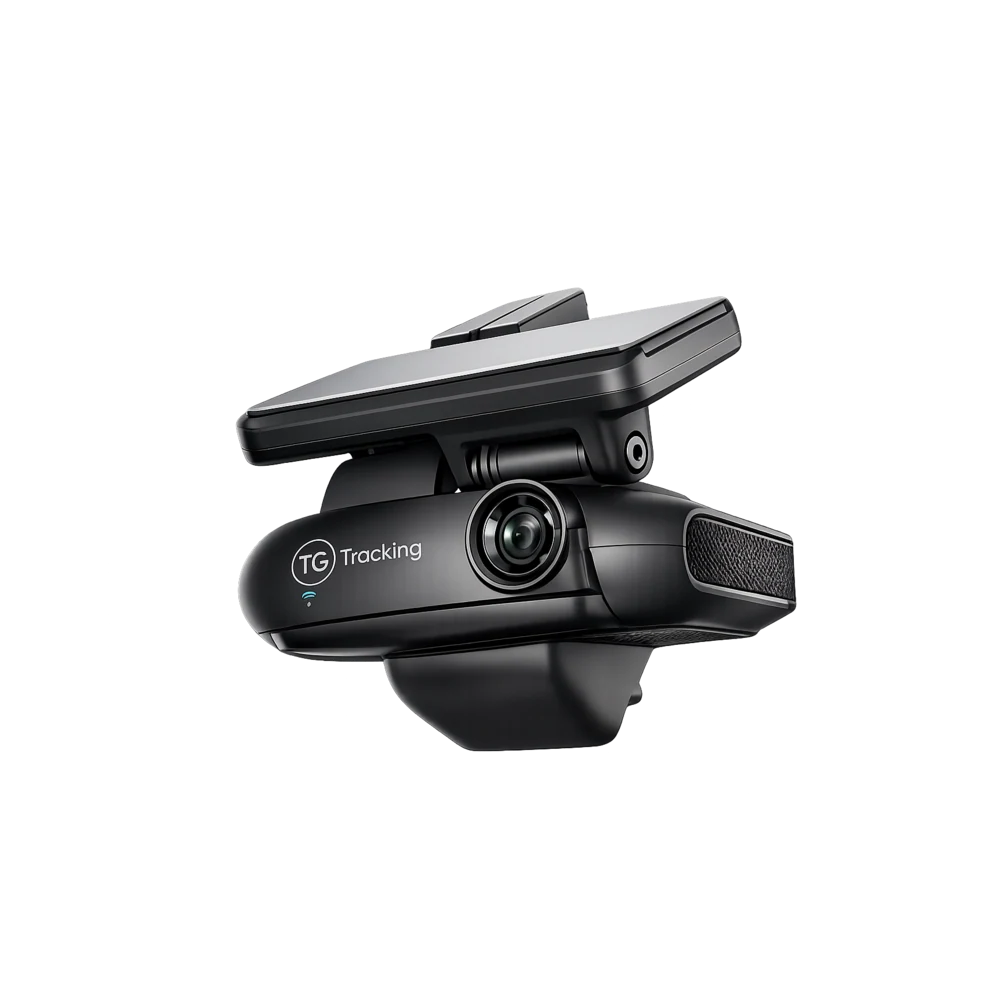
AI-camera, ADAS and DMS technology with vehicle telemetry that surfaces driver behaviour and incident events.
G150-GLOBAL · Wired trackers
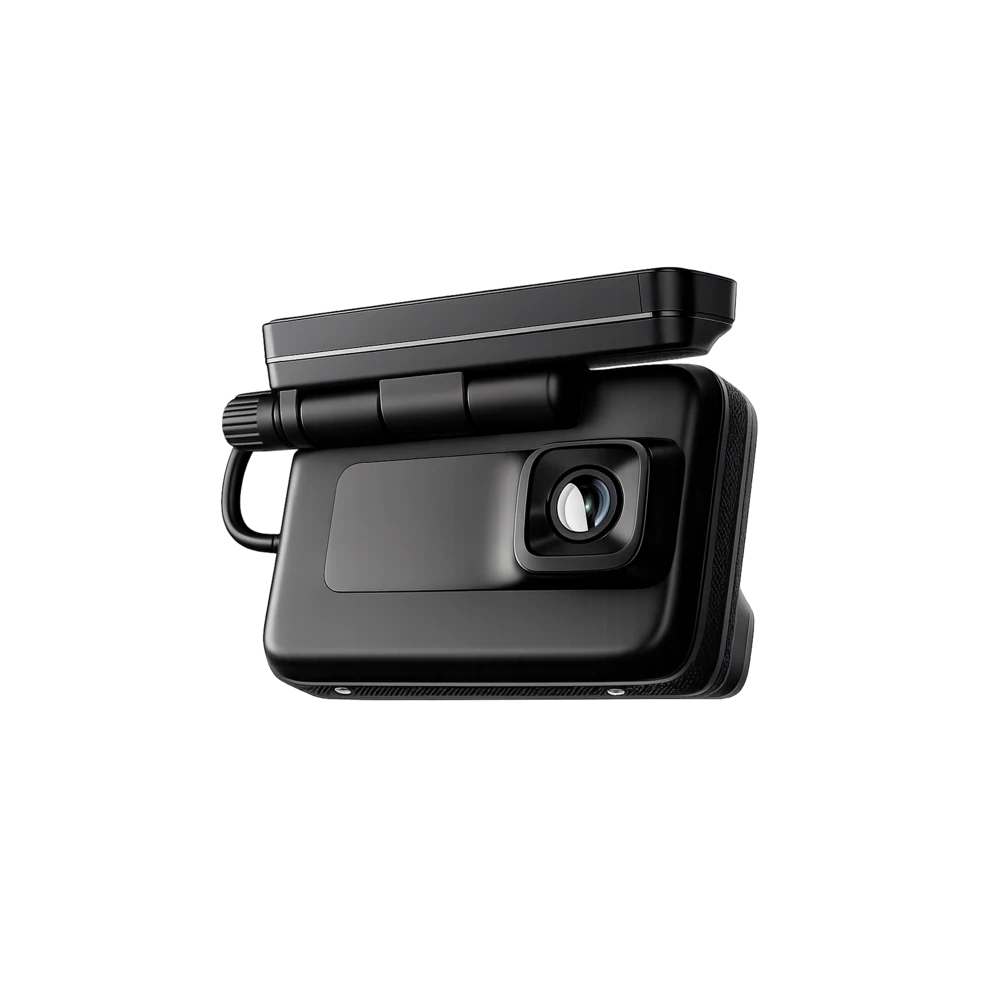
G150 Global
G150 Global GPS tracker on Cat1bis and 2G, rugged IP68, Bluetooth 5.2 gateway, 1 harness
IN STOCK · ZAR
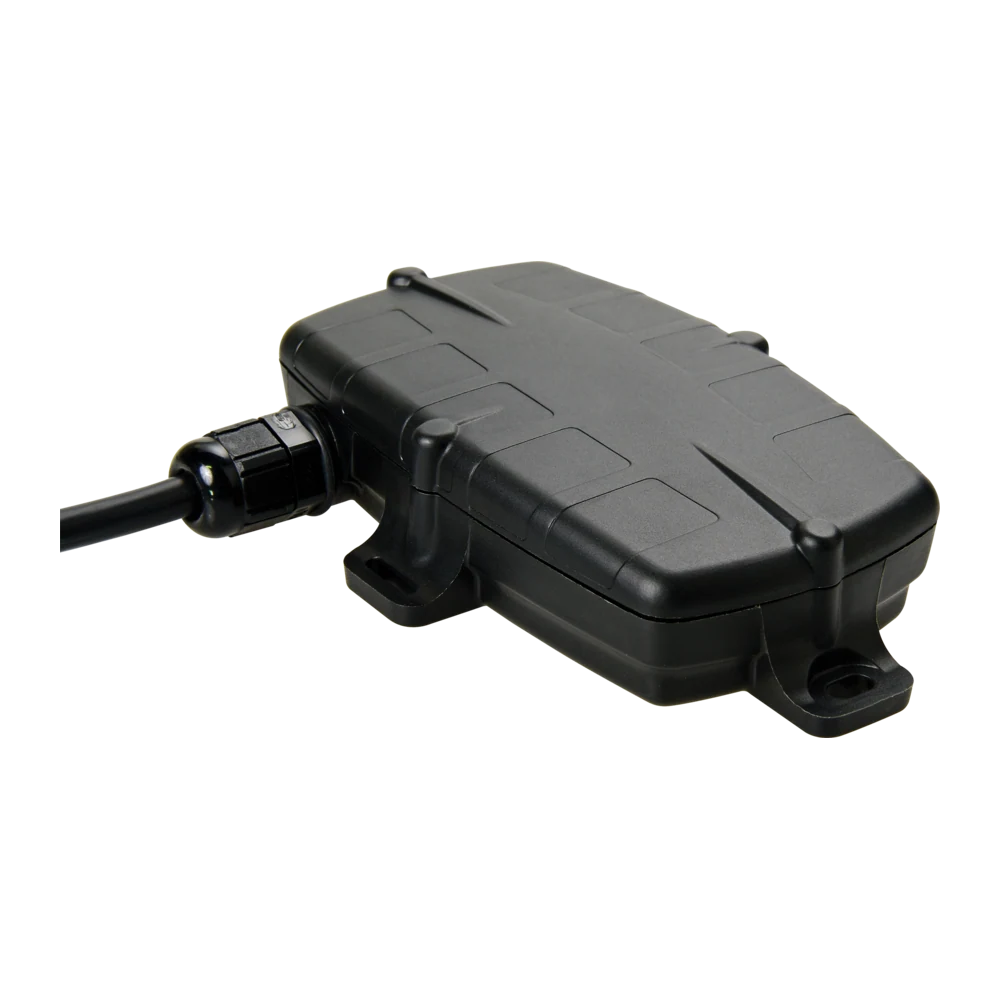
G70-4G-BLE · Wired trackers
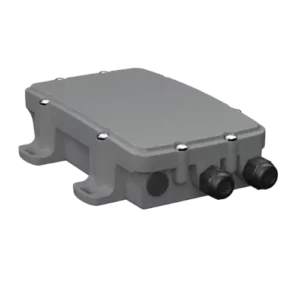
G70 4G BLE
G70 GPS tracker with Bluetooth, 4G LTE-M / NB-IoT, rugged IP68, multiple IO’s
IN STOCK · ZAR
More in Safety, Compliance & Risk
Safety, Compliance & Risk overview
Related safety, compliance & risk solutions.
Talk to TG Tracking
Add Specialised Sensors to your fleet operating layer.
Tell us what you run, where you run it and the risk profile. We'll match the hardware, platform and rollout plan to your operation.