AI Dash Cameras
Road-facing, driver-facing and AI-enabled camera options for fleet safety and incident review.
View productsDriver assistance and driver monitoring technology for fatigue, distraction and road risk.
TG Tracking’s ADAS and DMS camera solutions help fleets monitor the road ahead, the driver behind the wheel and the safety events that increase accident risk.
With road-facing and driver-facing AI camera technology, fleet managers can review incidents, coach drivers, receive camera event evidence and improve safety across high-risk operations.
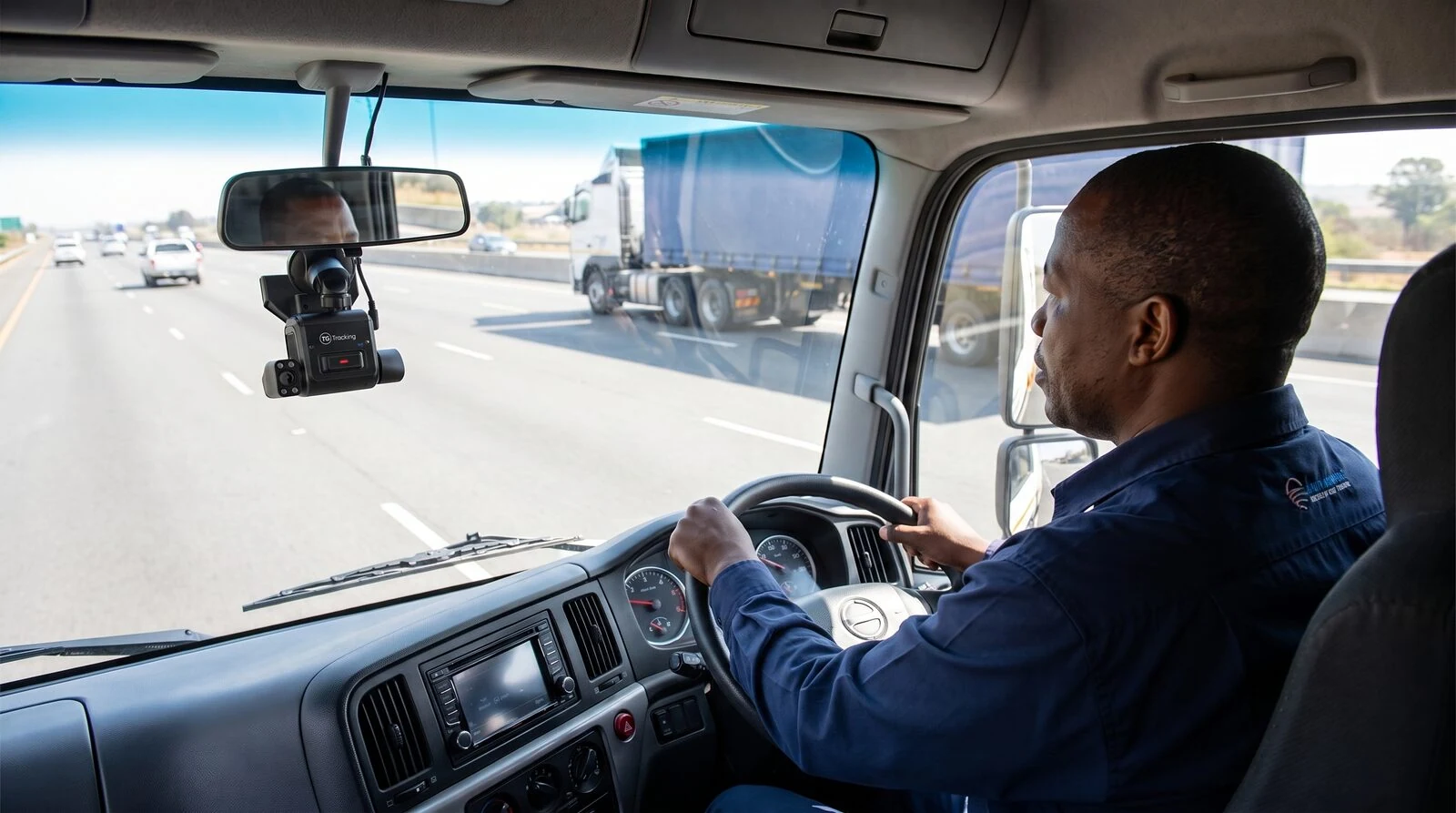
ADAS and DMS camera systems use AI video technology to monitor road risk and driver behaviour.
ADAS, or Advanced Driver Assistance System, monitors the road ahead and can support alerts for tailgating, forward collision warning, lane drift, stop-related events, speed limits and traffic light events.
DMS, or Driver Monitoring System, monitors the driver and can support alerts for driver distraction, driver drowsiness, seatbelt events and Face ID driver identification.
Together, ADAS and DMS help fleets identify risky driving, review incidents, coach drivers and improve safety visibility.
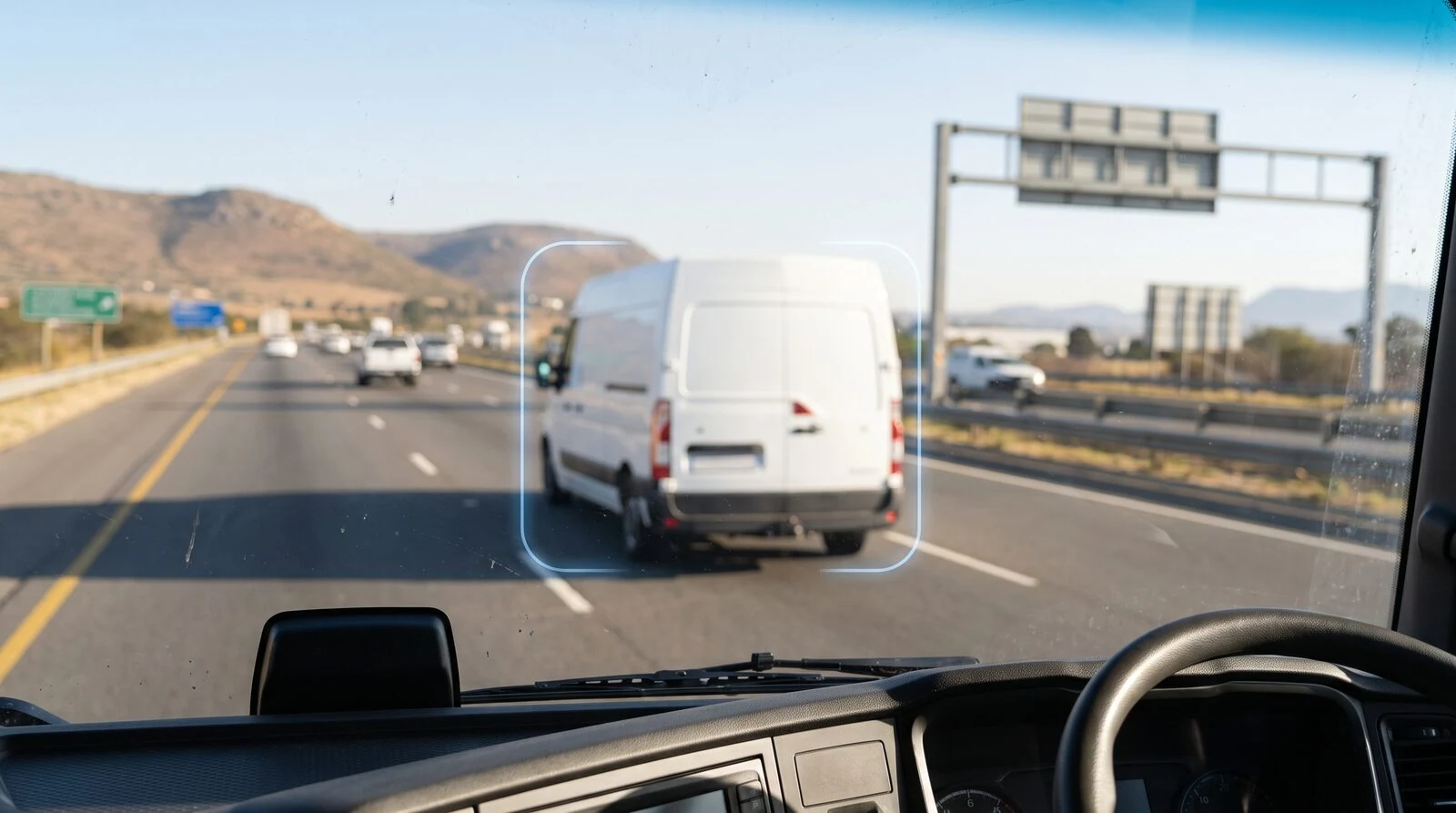 Road-facing
Helps alert drivers to road risk
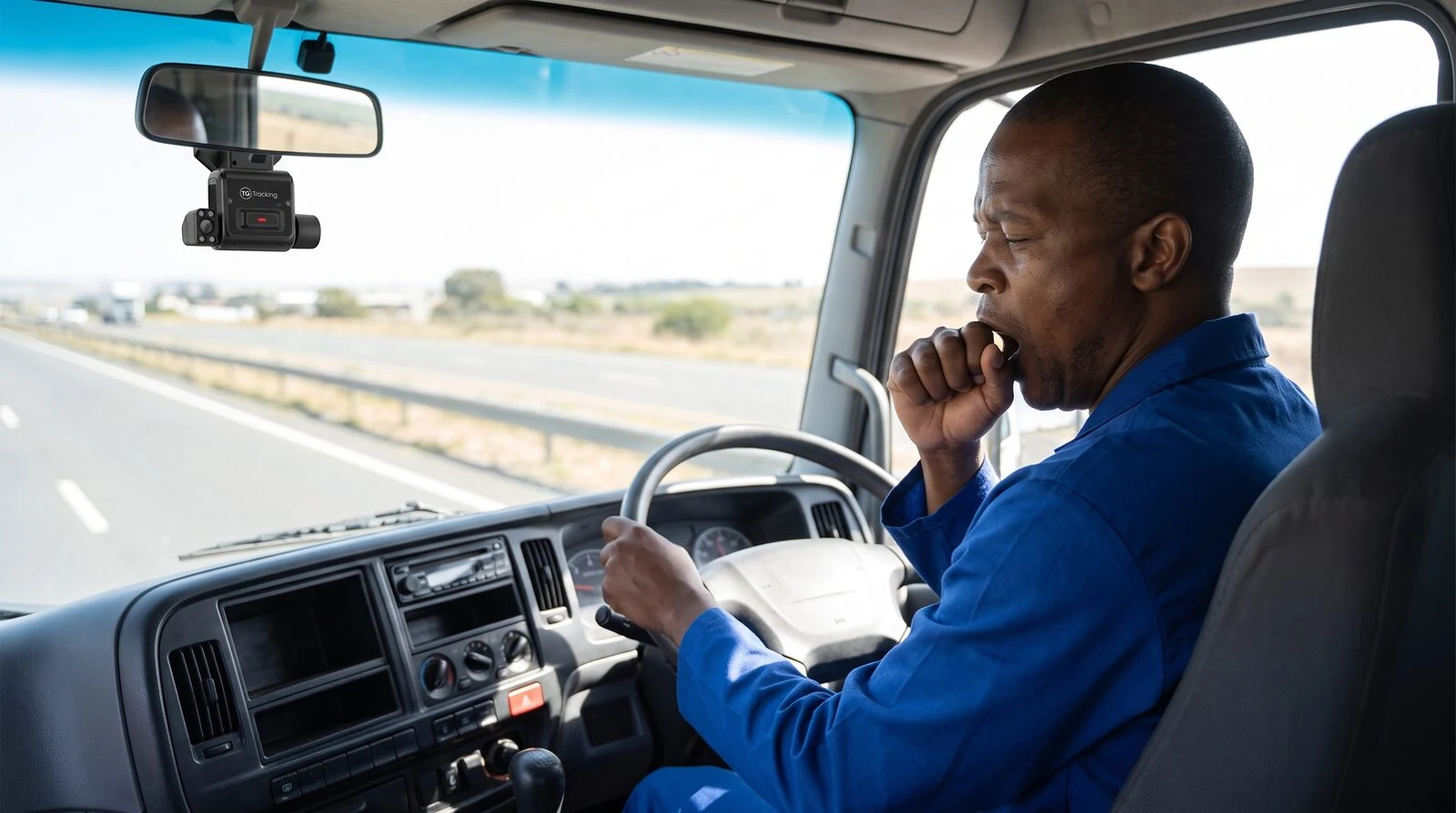 Driver-facing
Helps identify risky driver behaviour and driver identity
Road and driver-facing
Gives fleets stronger safety visibility
ADAS uses a road-facing camera and AI detection to monitor road conditions and identify risky driving situations.
TG Tracking’s ADAS camera technology can support detection and alerts for:
ADAS helps drivers become aware of road risk earlier and gives fleet managers visibility of repeated unsafe behaviour.
This can support:
DMS uses a driver-facing camera to monitor driver attention, behaviour and identity-related events.
TG Tracking’s DMS camera technology can support detection and alerts for:
Driver fatigue and distraction are major risks in transport, logistics, mining, passenger transport, delivery and emergency response fleets.
DMS helps fleets identify risky behaviour earlier and gives managers better visibility for coaching, safety intervention and incident review.
This can support:
ADAS and DMS work best together.
ADAS monitors what is happening outside the vehicle. DMS monitors what is happening inside the cab. Together, they give fleet managers a clearer view of road risk, driver attention and the events leading up to an incident.
Drivers can receive in-cab audio alerts, where enabled, helping them correct high-risk behaviour sooner.
Safety events can be linked to camera footage for review and investigation.
Managers can use actual event footage and driver behaviour data to coach drivers more fairly and effectively.
Video, location, speed and event data help explain what happened before, during and after an incident.
Fleet managers can identify repeat patterns, high-risk drivers and operational risk trends.
Monitors the road ahead for events such as tailgating, forward collision warning, lane drift, speed limits and traffic light events.
Monitors the driver for distraction, drowsiness, seatbelt events and Face ID driver identification.
Provides audio alerts to help drivers correct high-risk behaviour sooner.
Captures safety events for review inside the TG Tracking platform.
Live streaming is available on supported TG AI camera models selected for this solution, subject to connectivity and data configuration.
Links camera events with vehicle location, speed, time and driving behaviour.
Face ID driver identification can help identify the driver linked to a vehicle, trip or safety event where configured.
Additional camera views can support side, rear, cabin or load-area visibility where required.
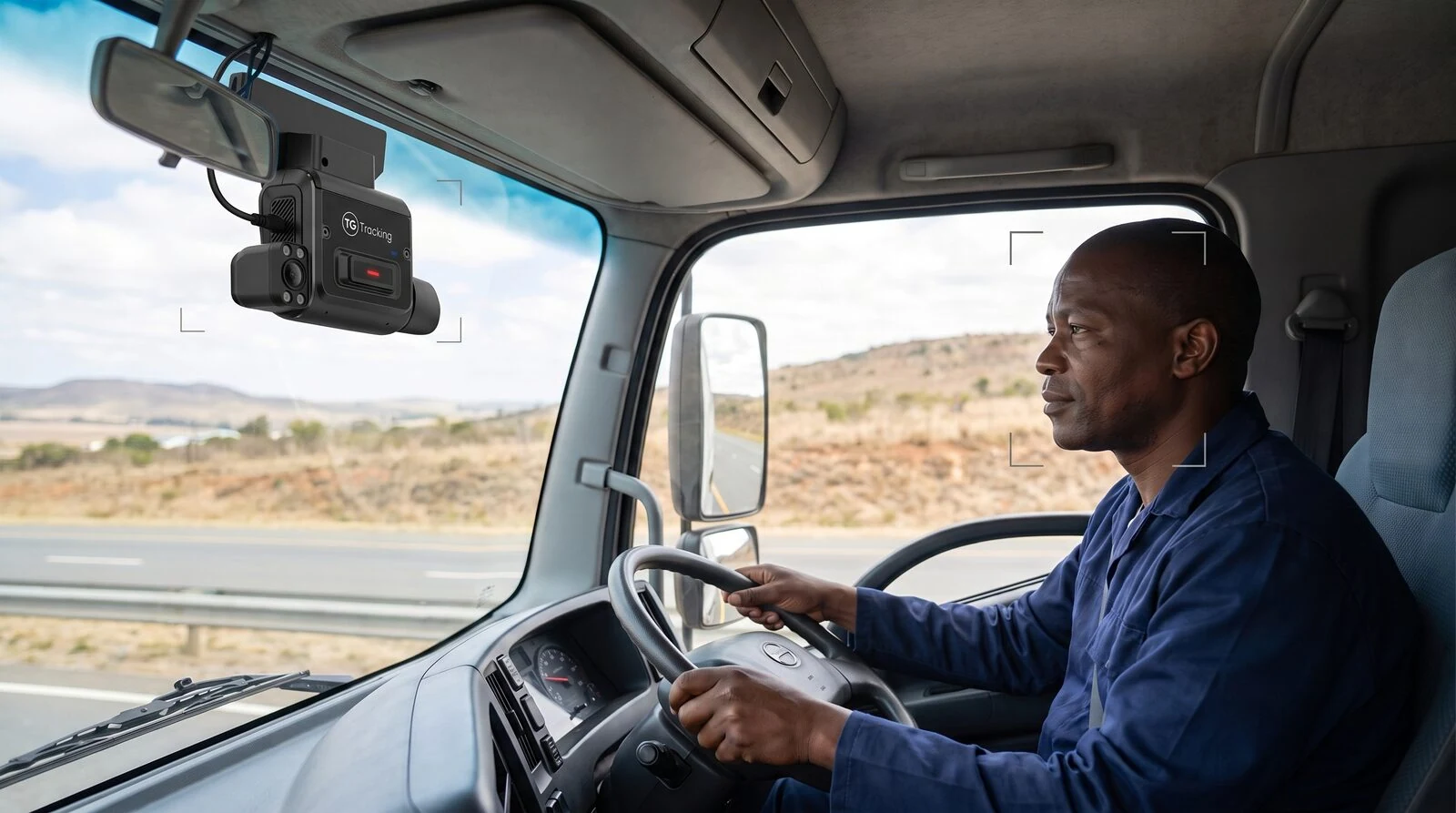
TG Online shows both video clips and event metadata inside the platform where compatible cameras are fitted.
This allows managers to review:
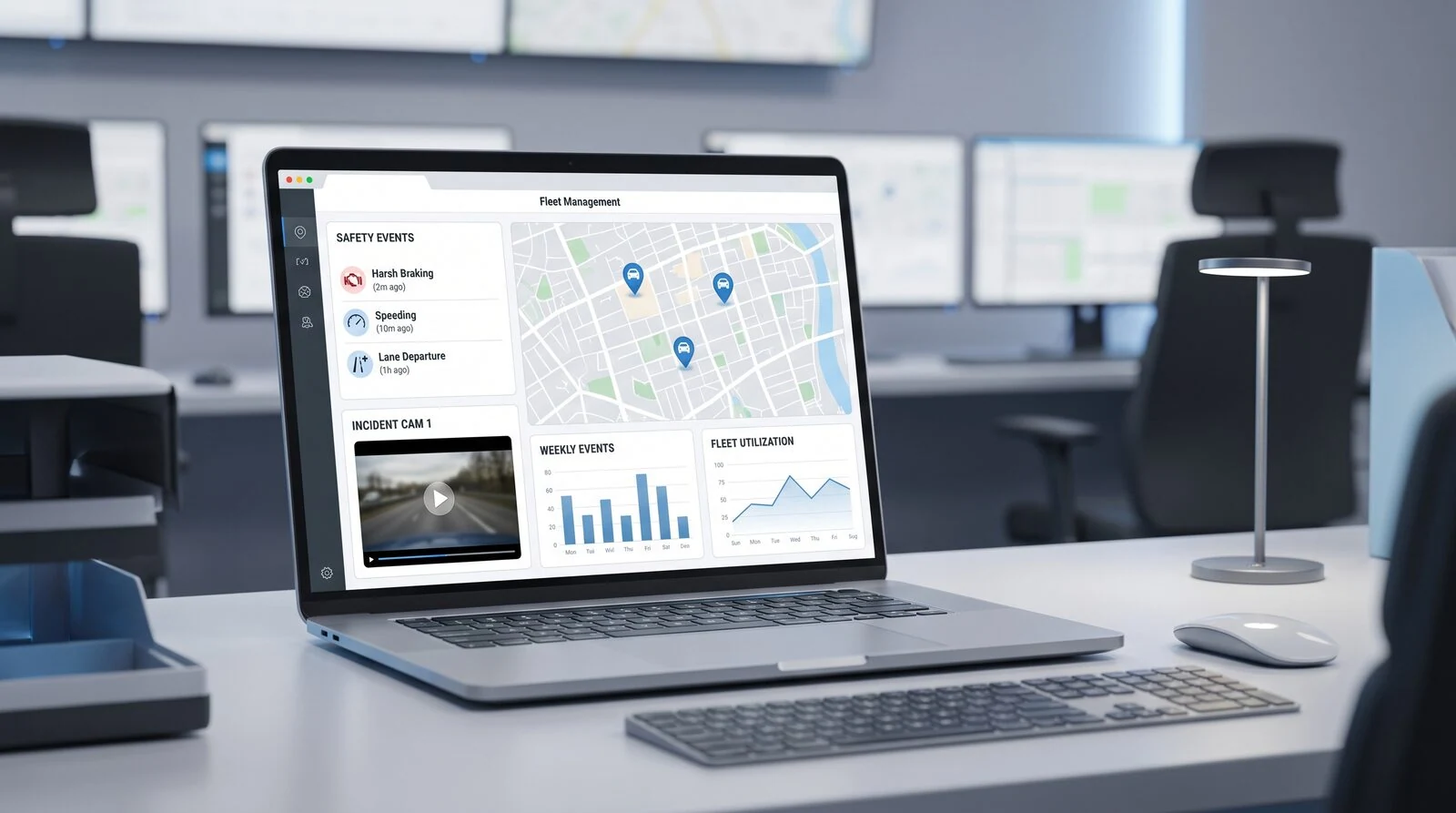 Illustrative interface — not a live customer screen
ADAS and DMS technology can also support IVMS-style safety requirements in mining, heavy vehicle, industrial and high-risk operating environments.
For mining and heavy equipment fleets, AI camera events can help strengthen driver monitoring, road-risk visibility, incident review and safety reporting.
This makes ADAS and DMS especially useful for:
Monitor long-haul drivers, fatigue, harsh events, tailgating and road incidents.
Support passenger safety, driver monitoring and incident evidence.
Review accidents, complaints, risky driving and delivery-route incidents.
Support IVMS, site safety and heavy-vehicle risk visibility.
Improve driver accountability and safety for site vehicles and operators.
Review response driving, harsh events and incident footage.
Monitor company vehicle use, driving behaviour and staff safety.
Help drivers correct high-risk behaviour before it becomes a bigger problem.
Monitor fatigue, distraction, tailgating, lane events and other risky patterns.
Use event footage and behaviour data to support fair, practical coaching.
Use camera footage and telematics data to support investigations and dispute resolution.
Understand what happened, who was involved and what behaviour contributed to the event.
Use camera events, driver behaviour data and reporting to support internal safety programmes.
Use ADAS, DMS, driver behaviour and video evidence to strengthen IVMS-style fleet safety programmes.
ADAS stands for Advanced Driver Assistance System. It uses road-facing camera technology to monitor road risk and support alerts such as tailgating, forward collision warning, lane drift, speed limits and traffic light events.
DMS stands for Driver Monitoring System. It uses driver-facing camera technology to monitor behaviour such as driver distraction, driver drowsiness, seatbelt events and Face ID driver identification.
ADAS monitors the road ahead. DMS monitors the driver. Together, they help fleets understand both road risk and driver behaviour.
Yes. TG Tracking’s ADAS camera technology can support tailgating detection and related safety alerts.
Yes. ADAS can support speed limit and traffic light event detection.
Yes. DMS can support driver drowsiness detection and alerts.
Yes. DMS can support driver distraction detection across supported distraction categories.
Yes. DMS can support seatbelt-related events where configured.
Yes. Face ID driver identification can support driver identification where configured.
Yes. Drivers can receive in-cab audio alerts where enabled.
Yes. TG Online can show both video clips and event metadata for ADAS and DMS events.
Yes. Live streaming is available on supported TG AI camera models selected for this solution, subject to connectivity and data configuration.
Yes. ADAS and DMS camera technology can support IVMS-style safety programmes, especially in mining, heavy vehicle and high-risk operating environments.
Use AI camera technology to monitor road risk, driver fatigue, distraction and safety events from one connected TG Tracking platform.