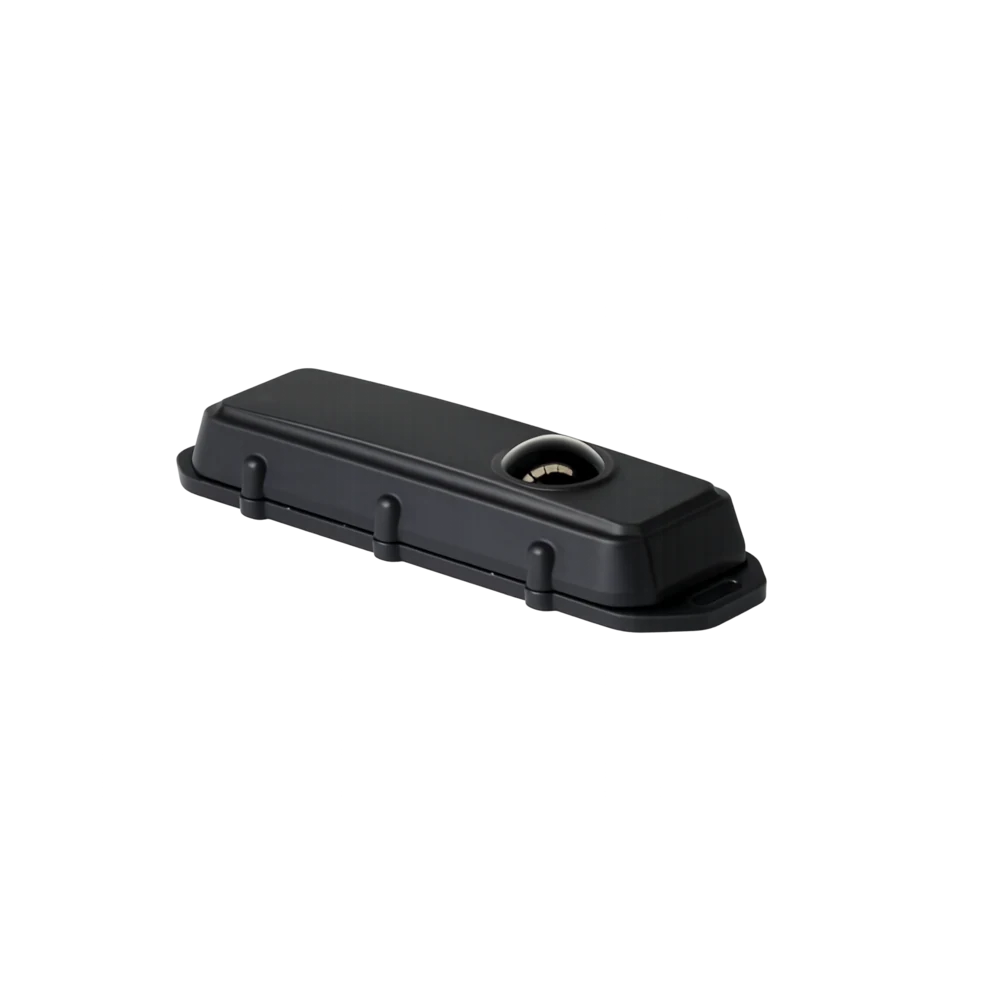
BARRA-RADAR-BLE · Wireless trackers
Barra Radar BLE
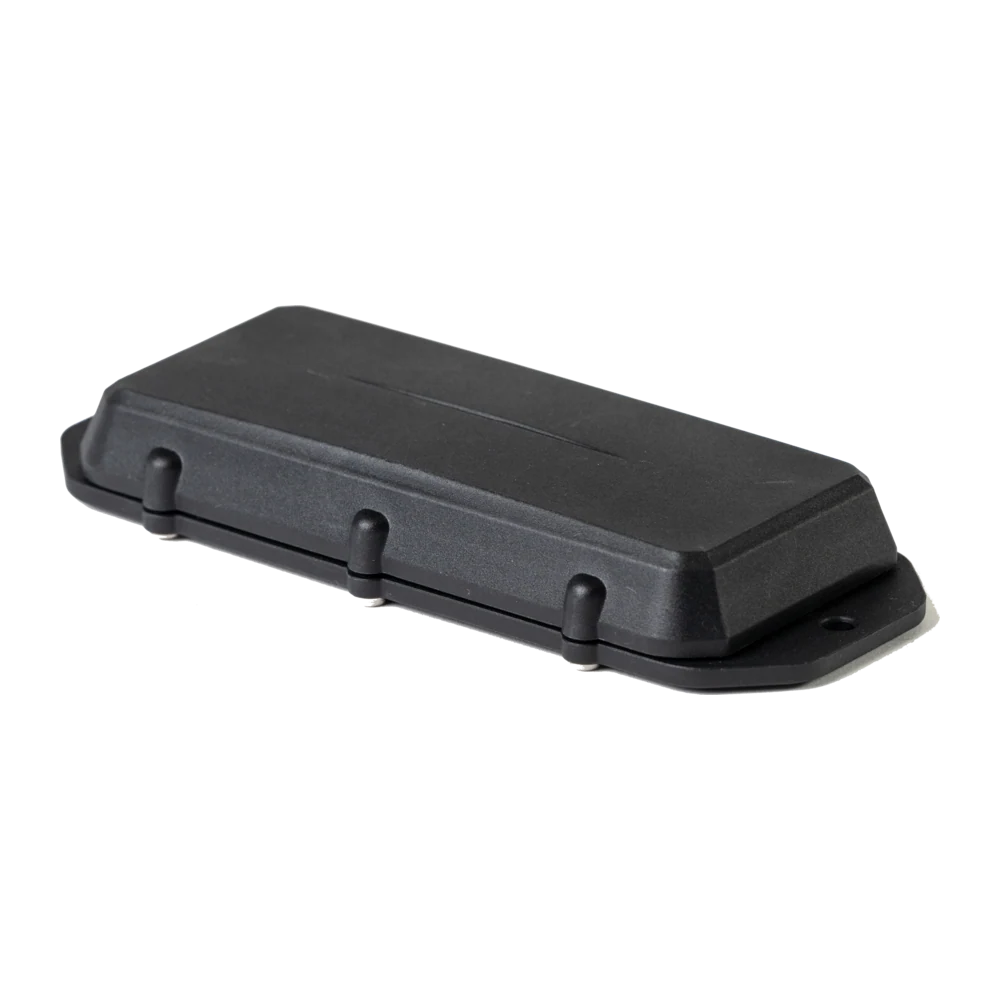
Object and Level Detection via Radar Bluetooth device in Barra form-factor (batteries not included)
IN STOCK · ZAR
A dashcam paired with GPS turns every trip into a record you can refer back to with confidence. HD footage with the time, location and speed stamped on every frame uploads to the cloud the moment something out of the ordinary happens, ready on the TG Mobile app within seconds. The household covers the car the family drives, the parent's commute, the teenager's evening run home from rugby, and the parked car at the shopping centre, all from one account.
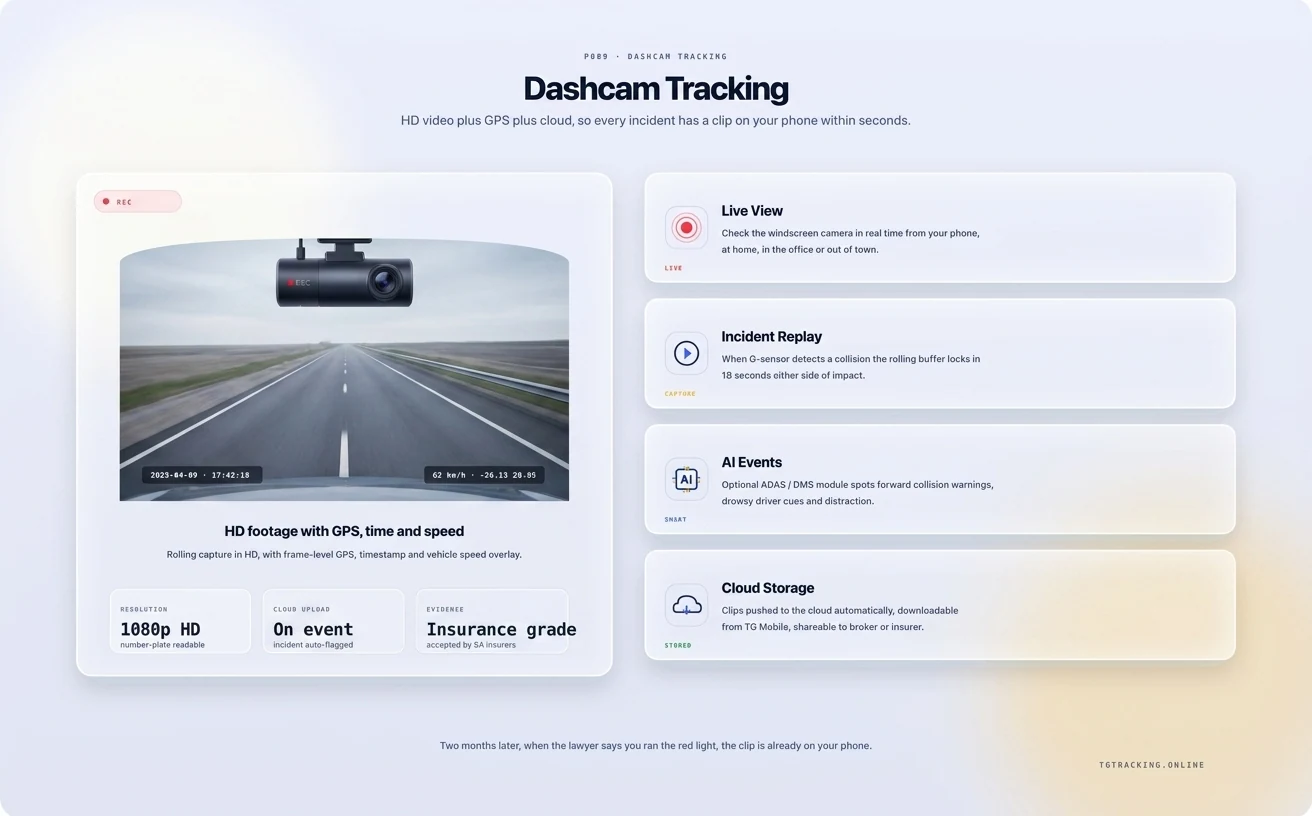
Dashcam tracking from TG Tracking pairs an HD camera with a GPS tracker and a cloud video pipeline, so every trip is recorded, every incident is flagged, and every clip you need is on your phone in seconds. It is built for South African drivers who want insurance-grade evidence, family driver visibility, and a record of what actually happened when something goes wrong. See Personal solutions for the full personal range, Car Tracking and Recovery for the GPS protection that pairs with it, and AI Camera Solutions for the business equivalent at fleet scale.
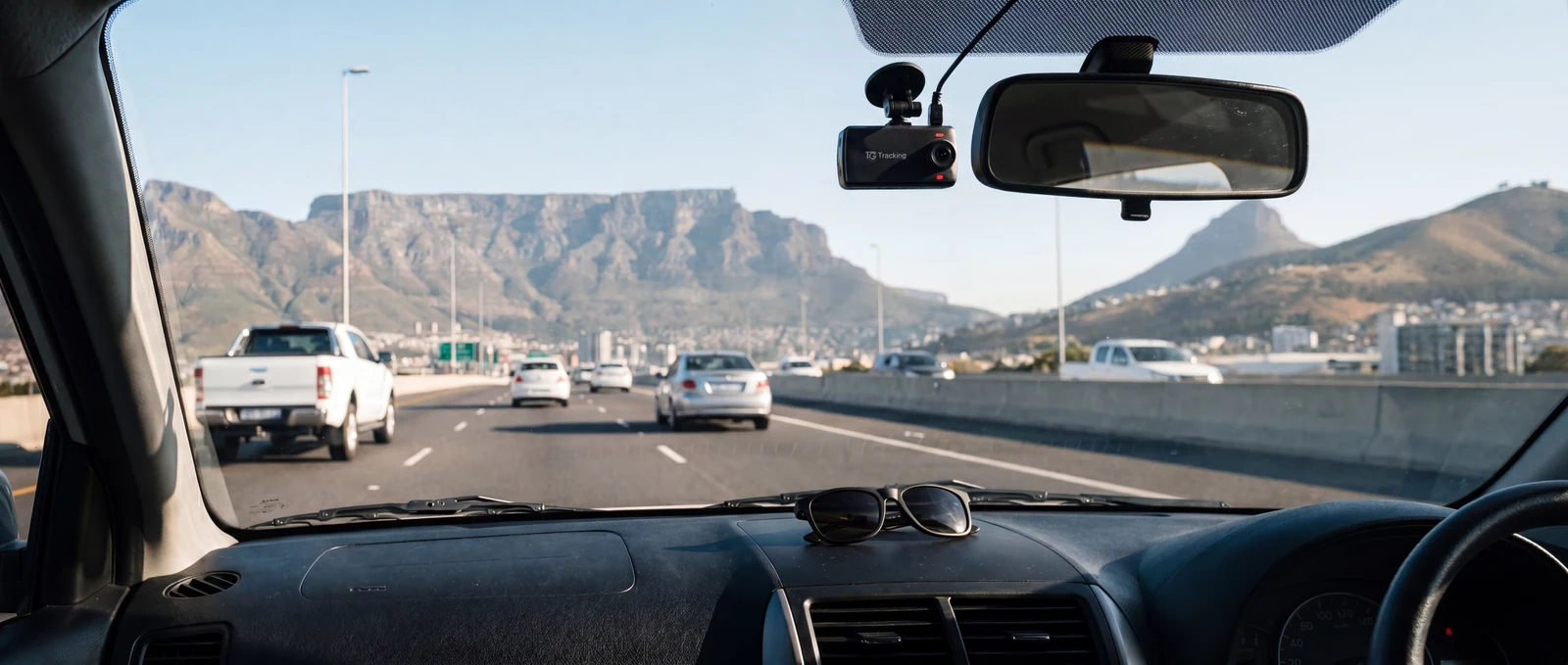
The unit mounts on the windscreen behind the rear-view mirror. It records the road ahead in HD, stamps every frame with GPS, time and speed, and stores the rolling footage locally. When something out of the ordinary happens, the relevant clip uploads to the cloud automatically and lands in the TG Mobile app where you can watch it, download it, share it with your broker or send it straight to the insurer.
The footage is sharp enough to read number plates in normal driving conditions, road markings in low light, and traffic signal states at intersections. Each frame carries a GPS pin, a timestamp and the vehicle's speed. That overlay is what makes the clip useful as evidence rather than just useful as a memory.
The dashcam's accelerometer and AI layer flag the events that matter without you doing anything: collisions, harsh braking, harsh acceleration, sharp cornering, and impacts while the car is parked. When an event fires, the clip either side of the incident is queued for upload. Routine driving is not uploaded; storage is reserved for the moments worth keeping.
Clips live in the cloud, not just on the SD card in the camera. That matters when the camera is damaged in the incident itself, when the car is stolen with the camera in it, or when a driver claims the footage was deleted. Retrieval is from any phone or browser logged into your account.
The camera stays awake at low power when the vehicle is parked. A bump in a shopping centre car park, an attempted break-in at home, or a hit-and-run on the kerb all trigger a recording and an alert. Most parked-car incidents go unreported because nobody saw them. With a dashcam, somebody did.
The same hardware solves a handful of distinct problems, depending on who is driving the car.
The most common use case in this country. A dashcam with GPS, time and speed gives the broker and the insurer a shared timeline to work from, so the claim starts on solid ground. Most South African insurers accept dashcam footage as supporting evidence on a claim.
A dashcam paired with tracking gives parents a coaching record without turning every conversation into a question of memory. You see the events that mattered, the harsh brake on Jan Smuts, the speed spike on the M1, the late-night detour, and you have something specific to talk about with the new driver. Most parents review one clip together and never need to again.
Drivers running for Uber, Bolt, Mr D, Pick n Pay asap! and similar platforms benefit from a dashcam in two directions. Forward-facing footage settles disputes with passengers and other drivers. Some configurations support an interior-facing element where the platform allows it; check your platform's policy before fitting one.
The biggest win nobody buys the camera for. A trolley dent in a Mall of Africa parking bay. A scrape down the side of the car overnight in the complex visitor parking. Footage and a number plate, both stamped with location and time, turn an unreported incident into a recoverable one.
A dashcam by itself records video. A dashcam paired with Car Tracking and Recovery on the same account does more: the same incident triggers both products, so a collision auto-uploads the clip and opens an alert, a theft event prioritises the parked-car footage, and the TG Mobile app shows the live location, the trip history and the relevant video in the same view. Add Asset, Hobby and Trailer Tracking and the household covers the car, the trailer behind it, and the camera watching them both.
South African road conditions reward driver evidence in ways many international markets do not. Hijacking attempts, smash-and-grab incidents at intersections, stop-go zones with unclear right-of-way rules, taxi behaviour at off-ramps, and the AARTO infringement system all benefit from a camera that is recording without anyone having to remember to press record. The lighting on the N1, the M1, the N2 and the N3 varies enough between suburbs that low-light performance matters. Multi-network connectivity matters because a clip uploading from a stationary parked car at 02:00 needs whichever network is currently strongest, not whichever network you signed your phone contract on.
Yes, in most situations where fault is disputed and an independent record changes the conversation. Most major South African insurers accept dashcam footage as supporting evidence on a claim. Confirm with your broker how they handle it.
The dashcam records video. The tracking device records location, speed, ignition, tampering, accident events and panic. They solve different problems. Most owners run both, with one account inside the TG Mobile app.
Yes, when the vehicle has cellular signal. Live view streams on demand. Event clips upload automatically without you opening the app.
Routine driving stays on the SD card in the camera and overwrites on a rolling basis. Event clips are uploaded to the cloud and retained for an account-specific period.
The event clip is already in the cloud. The camera being removed or destroyed afterwards does not affect the recovery of footage that has already uploaded. The platform also alerts on power loss to the camera.
Yes, in low-power mode. Bumps, attempted entry and impacts trigger a recording and an alert. Continuous parked-mode recording draws more battery, so the configuration trades off recording duration against the car's battery health.
The platform is the same. The personal hardware is sized for a single private vehicle. Business fleets running large rollouts use a different model with additional features for driver coaching, fleet integration and dual-facing footage. See AI Camera Solutions.
A dashcam runs alongside the family's existing car tracking and asset cover, on one login and one app. The footage is on your phone the moment something happens, and the everyday view keeps each car visible on the household map.
Vehicle, asset, hobby and dashcam tracking for individual owners and high-value private assets.
Object and Level Detection via Radar Bluetooth device in Barra form-factor (batteries not included)
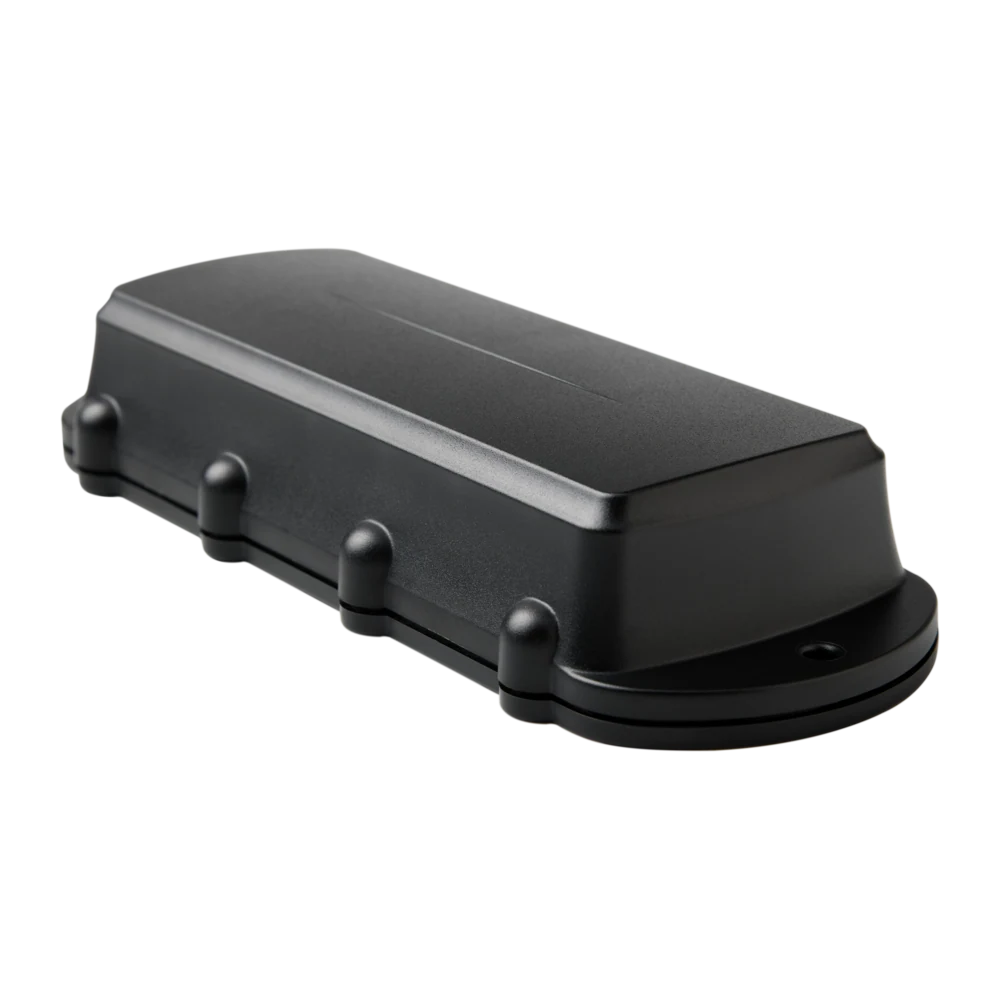
Remora3 Global GPS tracker on 4G Cat1bis with 2G fallback, Bluetooth 5.2 gateway
Remora3 GPS tracker on 4G LTE-M / NB-IoT with Bluetooth 5.2, massive battery life
Manta form-factor GPS-only tracker on 4G LTE-M / NB-IoT
Tell us what you run, where you run it and the risk profile. We'll match the hardware, platform and rollout plan to your operation.